Program of

The program of is under construction. The complete detailed agenda will be published soon.

/ Contributed talks

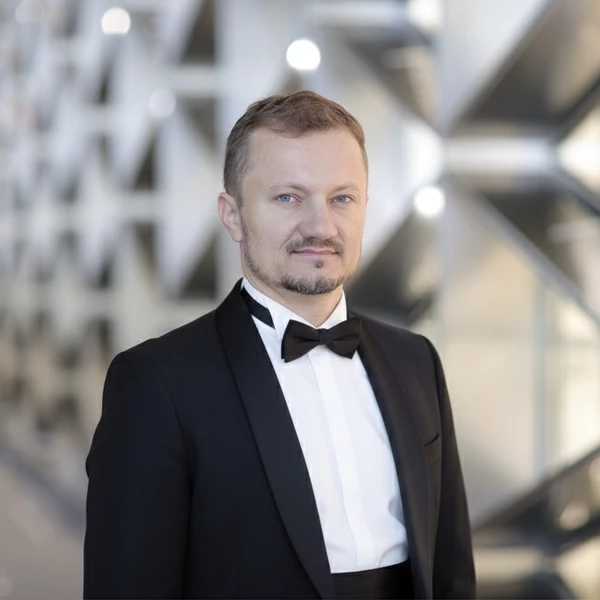
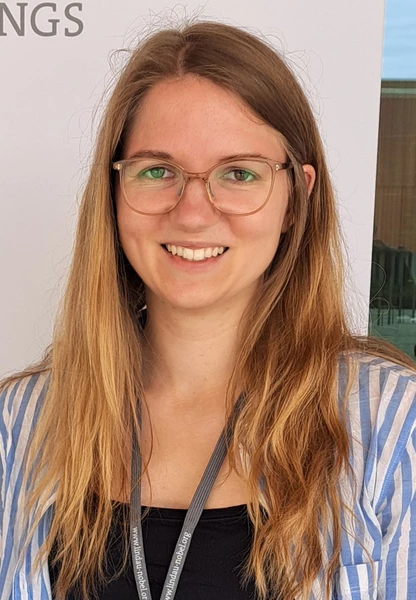
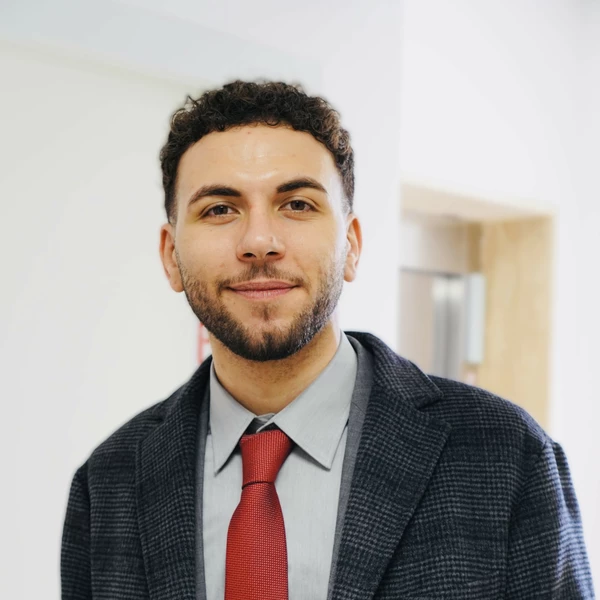
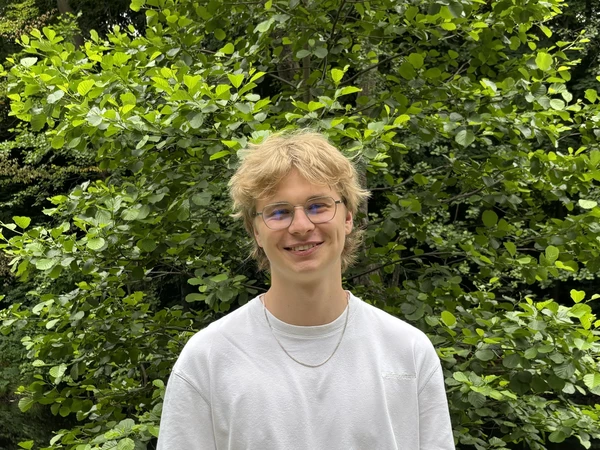
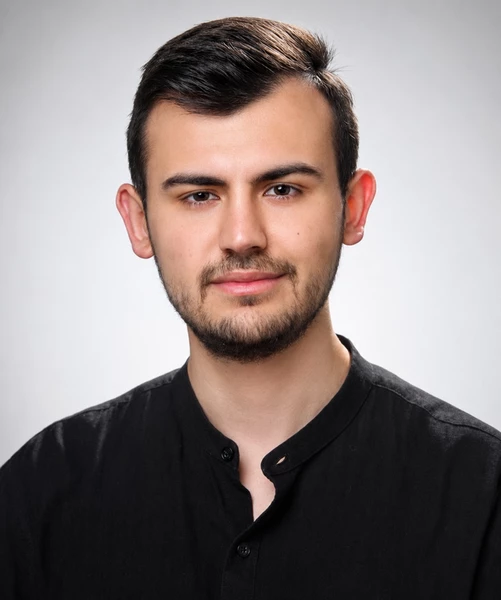
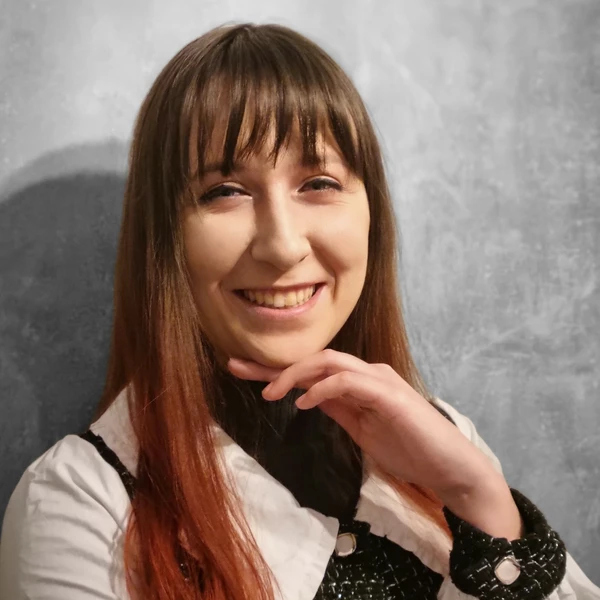
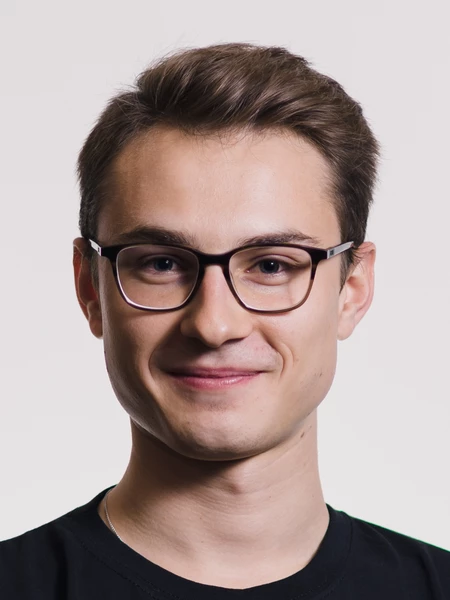
Tomasz Danel photo

Tomasz Danel

Jagiellonian University | GMUM

Contributed talk 1: Teaching Humans and Machines How to Design Drugs

Friday / 9 October 09:30 - 10:00 Main Hall (CfC Session 1)

Abstract:

Drug design becomes a game the moment you write down a score. Choose an objective that stands in for “this molecule would make a good drug”, give it to a player, and see what comes back. That is a deliberate simplification. A real campaign balances drug potency, selectivity, safety, and synthesizability at once, and the objective that actually matters is hard to put in closed form without months of wet-lab work. But when we do compress it into a single number and hand the same number to people and to generative models, the two sets of failure modes look alike. Both learn to satisfy the score rather than the intent behind it, drifting toward the regions of chemical space where the objective is generous, and the chemistry is not. A measure that becomes a target stops being a good measure. Economists call this Goodhart’s law, and it makes surprisingly little difference whether the optimizer is a person or a network. Both players also come away with something more interesting than a score. Each builds an internal representation of a molecule, a working theory of how its structure relates to what it does, and that is the part worth opening up.

The usual way to ask what a model learned is an attribution map over the atoms, and to check whether those maps are right, we built benchmarks where the correct answer is known in advance. Most explainers do badly on them, for several reasons at once. The models find shortcuts, the explainers come from the image world and fit discrete graphs badly, and the way we score explanations is itself broken. That last one is worth seeing. To test whether a group of atoms mattered, you delete it and watch the prediction move, but a molecule with atoms deleted is not a molecule, so the explanation gets graded against something that could not exist. Integrated gradients and SHAP make a version of the same assumption, and so do the blurred patches used to explain image classifiers. Our fix, published at AAAI 2026, puts chemically sensible fragments back in place of the deleted ones, which also makes an explanation something you can act on. Instead of a heatmap, you get a different molecule you could actually make. No chemistry background is needed for this presentation, and I will close with where to start if you want to work on molecules, including the tools, open benchmarks, and unsolved problems worth pursuing.

Biography:

Tomasz Danel is an Assistant Professor at the Faculty of Chemistry, Jagiellonian University, and a member of the GMUM machine learning research group. He is also a Senior Machine Learning Scientist at insitro. He develops machine-learning methods for problems in chemistry and drug discovery, including graph and geometric deep learning, generative models for molecular design, and explainable AI for molecules. He completed his PhD in technical computer science at Jagiellonian University in 2023 with the dissertation "Deep Learning Methods in Pharmaceutical Sciences," which received the Polish Prime Minister's Award. More recently he has been working on multimodal agents for scientific discovery that plan and reason over geometric representations of molecules and proteins.

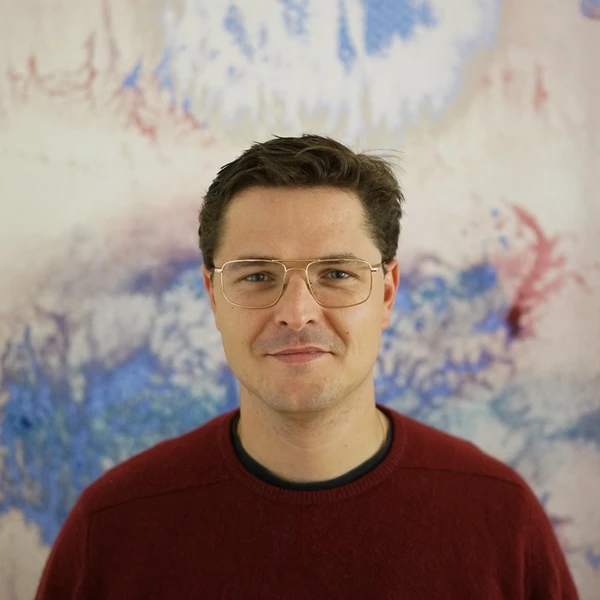
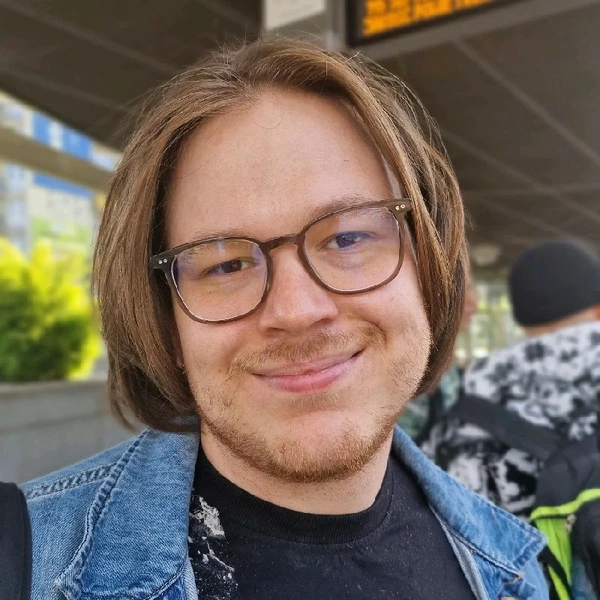
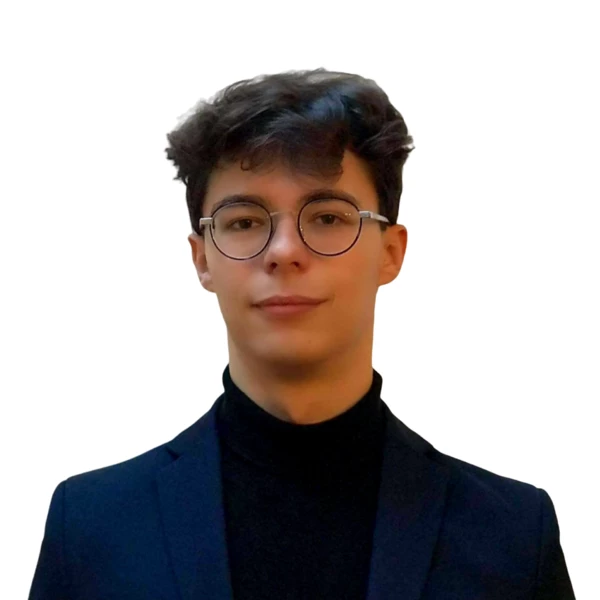
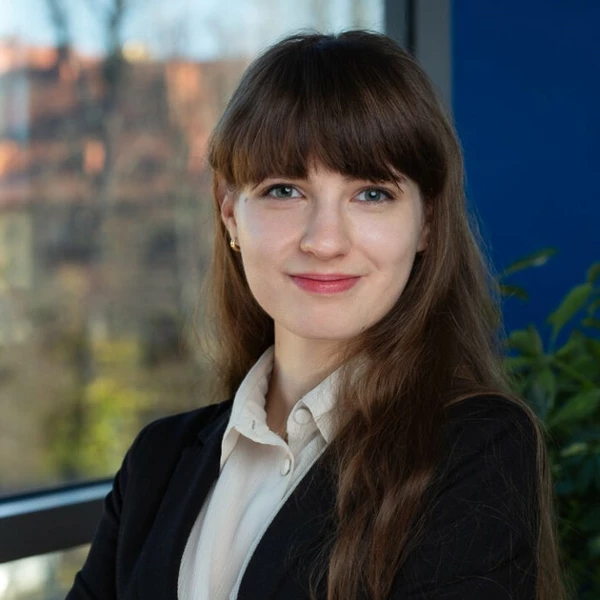
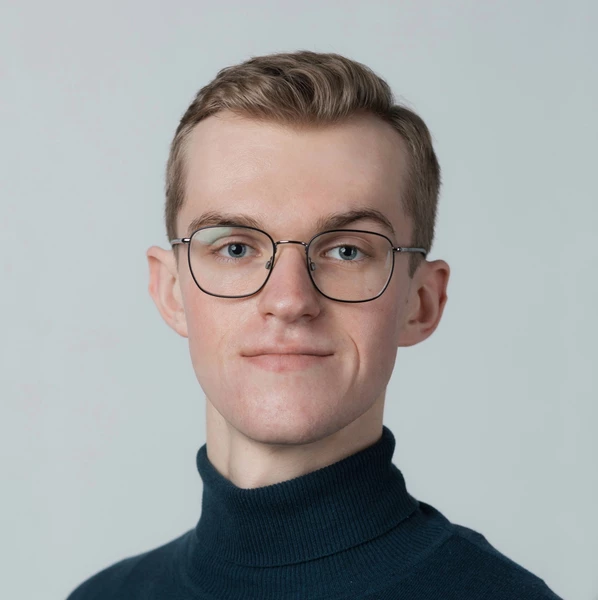
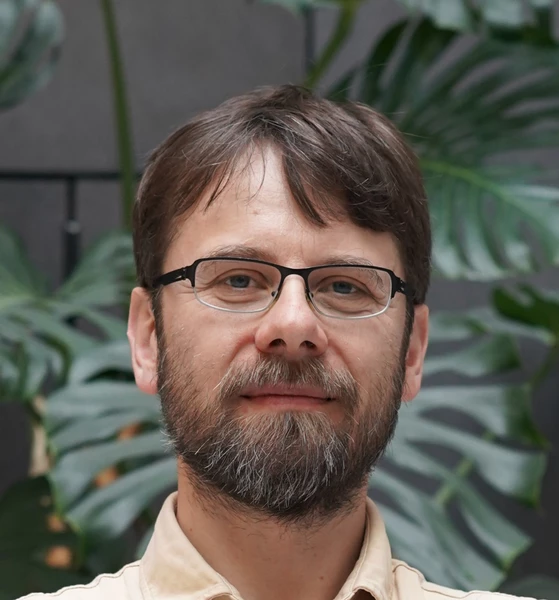
Julian Suk photo

Julian Suk

Technical University of Munich

Co-authors:

Jonas Weidner, Yeray Martin-Ruisanchez, Daniel Rueckert, Benedikt Wiestler

Contributed talk 2: Inpainting physics: self-supervised learning for context-driven fluid simulation

Friday / 9 October 10:00 - 10:30 Main Hall (CfC Session 1)

Abstract:

Neural surrogate models for computational fluid dynamics (CFD) are typically trained as forward operators that map explicit problem specifications, such as geometry and boundary conditions, to solution fields. This ties the model to the conditioning variables seen during training and limits reuse under boundary-condition shifts or local geometry changes. We propose to reformulate steady CFD inference as an inpainting problem: instead of training on explicit boundary conditions, we learn a self-supervised prior over velocity fields and impose boundary constraints only during inference by fixing known regions such as inlet, outlet or unchanged regions from previous simulations. To scale this idea to large 3D meshes, we introduce a local neighbourhood tokeniser that represents high-resolution velocity fields as compact spatial latent tokens and train latent flow-matching and masked-autoencoder models on these tokens. On intracranial aneurysm hemodynamics, our method reconstructs full velocity fields from sparse boundary context, outperforms supervised neural surrogates under boundary-condition and dataset shift and enables local geometry editing by reusing unchanged simulation context. These results suggest that viewing CFD inference as context-conditioned inpainting can turn neural surrogates from task-specific predictors into reusable flow priors.

Biography:

Julian is a postdoctoral researcher at the Institute for Artificial Intelligence in Healthcare and Medicine at the Technical University of Munich (TUM). His research interest are geometric deep learning and neural operators applied to cardiovascular hemodynamics modelling as well as cortical surface analysis. Julian received a MSc in applied mathematics from TUM and his PhD from the University of Twente under the supervision of Jelmer Wolterink. During his PhD, Julian completed an internship at Qualcomm AI Research in Amsterdam.

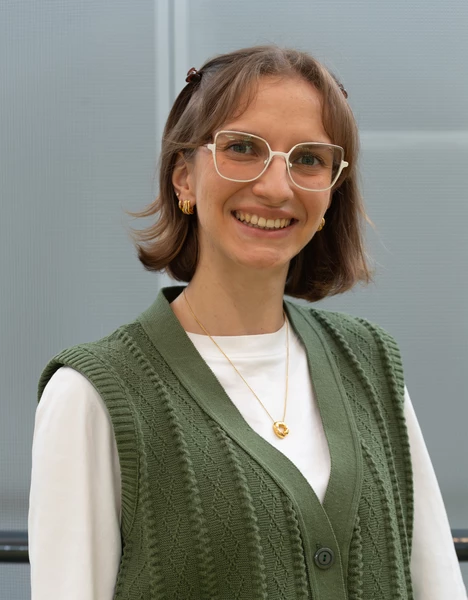
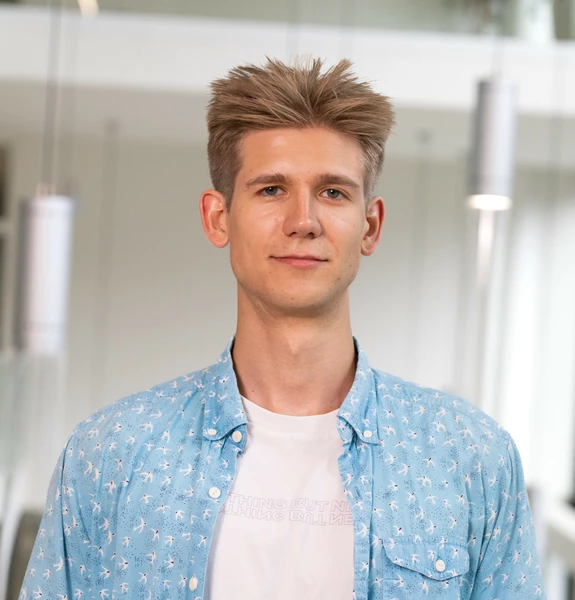
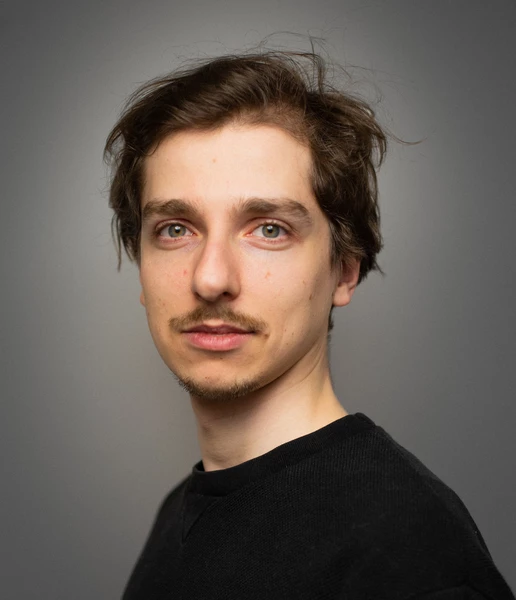
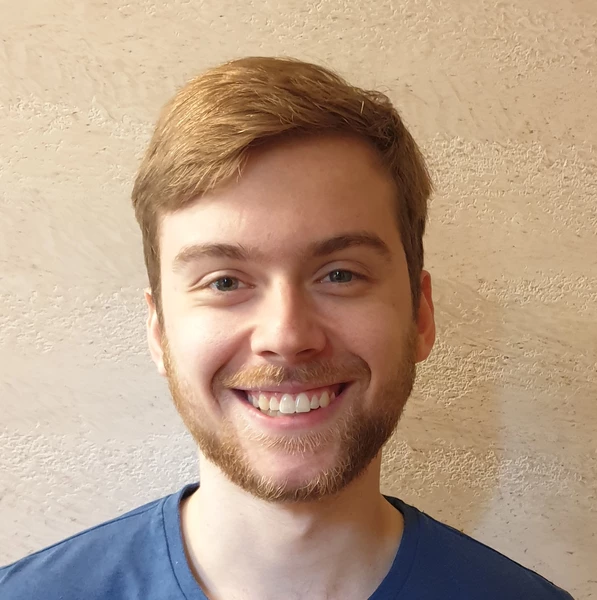
Paulina Szymczak photo

Paulina Szymczak

Helmholtz Munich

Co-authors:

Marcelo Der Torossian Torres, Diogo Soares, Leon Hetzel, Bruno Puczko-Szymański, Stephan Günnemann, Fabian J Theis, Cesar de la Fuente-Nunez, Ewa Szczurek

Contributed talk 3: Generative AI for physicochemistry-based controllable design of antimicrobial peptides

Friday / 9 October 10:30 - 11:00 Main Hall (CfC Session 1)

Abstract:

Antimicrobial peptides (AMPs) are a promising solution to antimicrobial resistance, yet generative models cannot precisely control the physicochemical properties and motifs that shape activity and selectivity. Here, we present OmegAMP, a conditional diffusion framework controlling net charge, mean hydrophobicity, and sequence length, supporting de novo, analog, and motif-guided design. Across 204 wet-lab characterized designs, de novo generation yielded peptides with broad activity against multidrug-resistant Gram-negative isolates. Analog generation converted six inactive prototypes into antimicrobials, with the prototype family determining analogs’ membrane-disruption mode and safety. Motif-guided generation preserved auxiliary functions. Analogs retained lipopolysaccharide engagement of active prototypes, and a redesigned non-antimicrobial leucine zipper gained antimicrobial activity while retaining DNA-perturbing character in vitro. In murine skin and thigh infection models, leads reduced bacterial burden, with a DNA-perturbing lead matching the fluoroquinolone control systemically. OmegAMP turns controllable generation into a route to new antibiotics whose mechanism and safety follow from the chosen prototype.

Biography:

Paulina Szymczak is a postdoctoral researcher at the AI for Health Institute at Helmholtz Munich, where she develops deep generative models for peptide design. With training in both computational biology and molecular biology, she is passionate about antimicrobial peptides and multidisciplinary research with translational applications. In 2026 she was named among the Top 100 Women in Biotech by the Perspektywy Foundation.

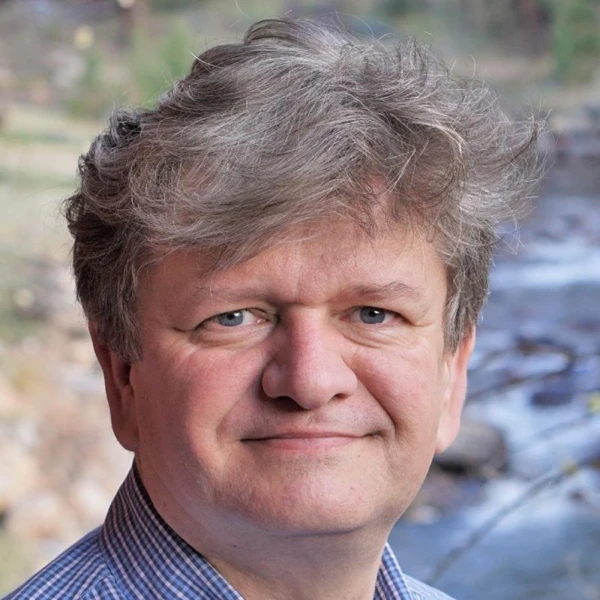
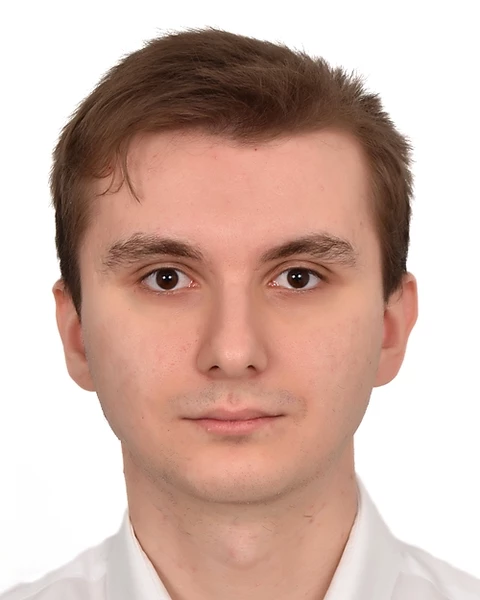
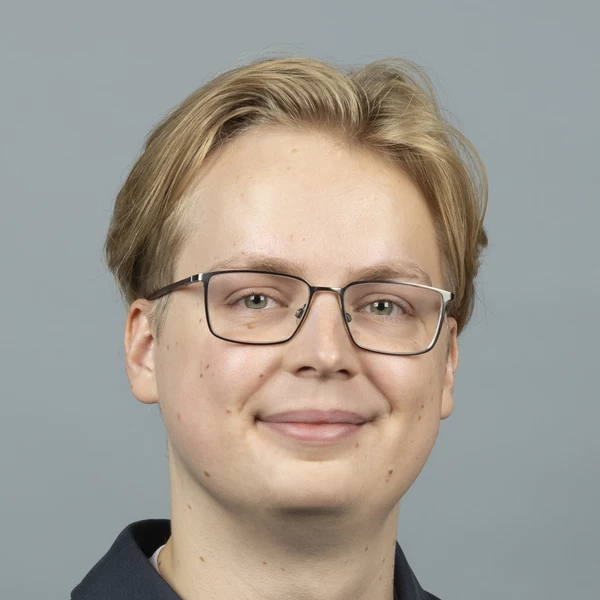
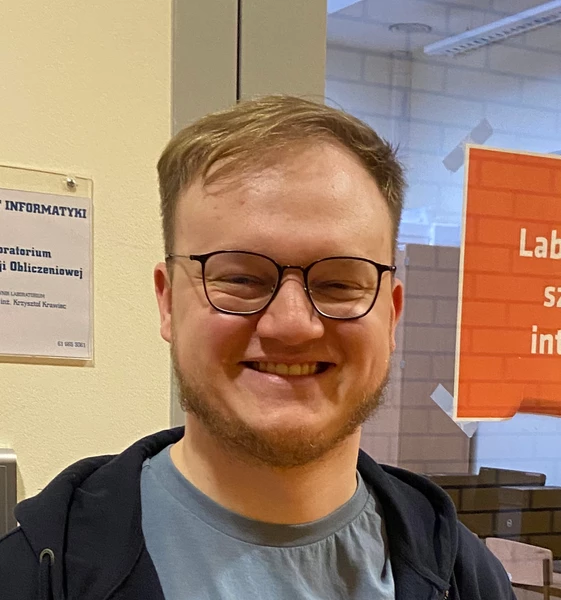
Michał Zawalski photo

Michał Zawalski

NVIDIA

Contributed talk 4: Detecting Data Contamination in LLMs

Friday / 9 October 09:30 - 10:00 Hall A (CfC Session 2)

Abstract:

Benchmarking is the cornerstone of LLM evaluation, yet reported scores are increasingly compromised by data contamination. As models train on vast web corpora and synthetically generated data, test set leakage obscures whether a model is genuinely solving complex problems or simply recalling memorized patterns. Traditional detection approaches often require full access to pre-training data, heavy threshold tuning, or fail when test content is subtly rephrased or modified.

This talk opens with a broad examination of the data contamination landscape. We will explore the subtle mechanisms through which evaluation data leaks into pre-training and fine-tuning pipelines, the risks of relying on benchmark scores alone for model selection, and why existing detection tools struggle to identify indirect or synthetic leakage.

Building on this context, I will introduce Contamination Detection via Context (CoDeC), a practical, model-agnostic method developed at NVIDIA to detect and quantify benchmark contamination. CoDeC builds on a key observation that models react differently to in-context learning based on prior exposure to the data. By analyzing the influence of context on models’ predictions, we can reliably quantify contamination in LLMs.

CoDeC generates an intuitive, percentage-based score that quantifies reliance on memorization. The method requires no ground-truth training data, works across diverse architectures, and effectively flags contamination even when test samples have been cropped, rephrased, or augmented. I will conclude with practical takeaways from evaluating multiple open-weight LLMs across standard benchmark suites, illustrating how context-based evaluation brings necessary clarity to model comparisons and evaluation integrity.

See the project page and contamination “leaderboard” at https://michalzawalski.github.io/codec/.

Biography:

Michał Zawalski is a Deep Learning Researcher at NVIDIA, where he develops reliable methods for evaluating LLMs. He earned his PhD in Computer Science from the University of Warsaw, with research spanning reinforcement learning, hierarchical planning, and embodied AI. His work has appeared at leading venues including NeurIPS, ICLR, CoRL, and AAMAS. During his doctoral studies, he completed a research internship at UC Berkeley under Prof. Sergey Levine, where he worked on embodied AI and robotic control. His current focus is on trustworthy LLM evaluation, including methods for detecting training data contamination.

Anna Kołos photo

Anna Kołos

NASK

Co-authors:

Grzegorz Statkiewicz, Karolina Seweryn, Katarzyna Kowol, Karolina Piosek, Wojciech Kusa

Contributed talk 5: PoVisLE: Evaluating Polish Cultural and Linguistic Competence in Vision-Language Models

Friday / 9 October 10:00 - 10:30 Hall A (CfC Session 2)

Abstract:

Vision-language models (VLMs) have demonstrated impressive capabilities across tasks such as image captioning, visual question answering, and multimodal content generation. Despite this progress, most VLMs are primarily trained on English-centric resources, which can hinder their ability to interpret culturally specific symbols, references, and context-dependent meanings. As a result, these models often struggle with visual understanding that requires knowledge of local cultural and linguistic conventions. Existing benchmarks aimed at measuring cultural competence typically emphasize surface-level recognition and frequently rely on template-based examples, limiting their usefulness for assessing deeper forms of multimodal reasoning.

We present PoVisLE, a vision-language benchmark focused on Polish culture and language, designed to evaluate culturally grounded multimodal understanding in settings where textual interpretation depends on visual context. The benchmark comprises 1,119 images paired with 2,366 manually curated visual question-answer examples spanning diverse cultural references and linguistic phenomena. By avoiding synthetic data generation and template-driven annotation, PoVisLE captures a wider range of authentic cultural and linguistic variation.

PoVisLE provides a challenging testbed for analyzing how well contemporary VLMs integrate visual information with culturally situated knowledge. The benchmark supports detailed evaluation of model performance beyond object recognition and factual recall, helping identify limitations in culturally aware multimodal reasoning.

Biography:

Anna Kołos, Ph.D., is a Linguistic Engineering Team Lead and a Senior NLP Specialist at NASK. She's a humanities scholar by training and passion, with a background in literary studies and linguistics. She works on building and curating datasets, designing annotation workflows, and developing methods for detecting harmful content, including hate speech. Her interests include model alignment, safety evaluation, and fine-tuning techniques that ensure large language models behave reliably and ethically across diverse use cases. Her work has been published at leading NLP and AI conferences, including ACL, EMNLP, and LREC-COLING.

Katarzyna Kobalczyk photo

Katarzyna Kobalczyk

University of Cambridge

Contributed talk 6: Beyond Global Calibration: Discovering Hidden Miscalibration Regimes

Friday / 9 October 10:30 - 11:00 Hall A (CfC Session 2)

Abstract:

A model can appear well calibrated overall while being systematically overconfident on some kinds of inputs and underconfident on others. Standard calibration diagnostics can miss this behaviour because they group predictions by confidence score: when opposing errors occur at similar confidence levels, they cancel under aggregation.

In this talk, I will argue that calibration should not only be studied as a function of confidence, but also as a structured property of the input space. I will introduce the idea of an input-dependent miscalibration field, which describes where a model is overconfident, where it is underconfident, and how these behaviours vary across inputs. I will then present a framework for estimating this field without requiring predefined subgroups or human-specified data slices. The approach learns a geometry in which inputs with similar calibration behaviour are close together, allowing noisy prediction residuals to be averaged locally and coherent calibration regimes to emerge.

Taking as our primary case study large language models, we inspect the behaviour of twelve LLMs across four real-world benchmarks and we find that hidden calibration heterogeneity is prevalent. The discovered regimes are stable, often reveal considerably larger errors than aggregate metrics suggest, and can be used to correct confidence locally in regions where standard confidence-only recalibration methods are less effective.

The broader message is that a single reliability diagram may conceal qualitatively different failure modes. Understanding whether errors are globally uniform or structured across inputs is therefore essential both for evaluating model reliability and for deciding how calibration should be improved.

Biography:

I’m a final-year PhD student at the University of Cambridge, working in the lab of Prof. Mihaela van der Schaar’s. My research sits broadly across machine learning and AI, with a focus on LLM-based systems that can reason under uncertainty, learn from limited information, and support decision-making in complex settings.

Julia Bazinska photo

Julia Bazinska

Check Point AI Security

Co-authors:

Max Mathys, Francesco Casucci, Mateo Rojas-Carulla, Xander Davies, Alexandra Souly, Niklas Pfister

Contributed talk 7: Breaking Agent Backbones: Evaluating the Security of Backbone LLMs in AI Agents

Friday / 9 October 09:30 - 10:00 Hall B (CfC Session 3)

Abstract:

AI agents powered by large language models (LLMs) are being deployed at scale, yet we lack a systematic understanding of how the choice of backbone LLM affects agent security. The non-deterministic sequential nature of AI agents complicates security modeling, while the integration of traditional software with AI components entangles novel LLM vulnerabilities with conventional security risks. Existing frameworks only partially address these challenges as they either capture specific vulnerabilities only or require modeling of complete agents. To address these limitations, we introduce threat snapshots: a framework that isolates specific states in an agent’s execution flow where LLM vulnerabilities manifest, enabling the systematic identification and categorization of security risks that propagate from the LLM to the agent level. We apply this framework to construct the b3 benchmark, a security benchmark based on 194,331 unique crowdsourced adversarial attacks. We then evaluate 34 popular LLMs with it, revealing, among other insights, that enhanced reasoning capabilities improve security, while model size does not correlate with security. We release our benchmark, dataset, and evaluation code to facilitate widespread adoption by LLM providers and practitioners, offering guidance for agent developers and incentivizing model developers to prioritize backbone security improvements.

In the talk, besides the above content, I’ll offer a brief introduction to AI Security, how it differs from AI Safety and what are current challenges in the field.

Biography:

Julia is a Senior Research Engineer at Lakera AI, a Check Point Company. Her professional interests are in NLP, AI security, and performance optimization of ML systems. Lakera allows developers to build secure AI applications and agents with Lakera Guard, which protects against prompt injections, data leaks, and other risks. Julia has worked on red-teaming LLMs, building defenses for agents and evaluations for both red and blue sides of AI security. Lakera AI was acquired by Check Point in late 2025.

Bartłomiej Marek photo

Bartłomiej Marek

CISPA

Co-authors:

Lorenzo Rossi, Vincent Hanke, Xun Wang, Michael Backes, Franziska Boenisch, Adam Dziedzic

Contributed talk 8: Benchmarking Empirical Privacy Protection for Adaptations of Large Language Models

Friday / 9 October 10:30 - 11:00 Hall B (CfC Session 3)

Abstract:

Recent work has applied differential privacy (DP) to adapt large language models (LLMs) for sensitive applications, offering theoretical guarantees. However, its practical effectiveness remains unclear, partly due to LLM pretraining, where overlaps and interdependencies with adaptation data can undermine privacy despite DP efforts. To analyze this issue in practice, we investigate privacy risks under DP adaptations in LLMs using state-of-the-art attacks such as robust membership inference and canary data extraction. We benchmark these risks by systematically varying the adaptation data distribution, from exact overlaps with pretraining data, through in-distribution (IID) cases, to entirely out-of-distribution (OOD) examples. Additionally, we evaluate how different adaptation methods and different privacy regimes impact the vulnerability. Our results show that distribution shifts strongly influence privacy vulnerability: the closer the adaptation data is to the pretraining distribution, the higher the practical privacy risk at the same theoretical guarantee, even without direct data overlap. We find that parameter-efficient fine-tuning methods, such as LoRA, achieve the highest empirical privacy protection for OOD data. Our benchmark identifies key factors for achieving practical privacy in DP LLM adaptation, providing actionable insights for deploying customized models in sensitive settings. Looking forward, we propose a structured framework for holistic privacy assessment beyond adaptation privacy, to identify and evaluate risks across the full pretrain-adapt pipeline of LLMs.

Biography:

I am a PhD Candidate at CISPA Helmholtz Center for Information Security, working in the SprintML lab under the supervision of Dr. Adam Dziedzic and Dr. Franziska Boenisch. My research focuses on the privacy and security of large foundation models (LLMs). I am currently focusing on privacy of multimodal models (paper coming soon!). Previously, I studied at Wrocław University of Science and Technology (MEng in Trusted AI, BEng in Cybersecurity, both with honors), and worked on multilingual audio DeepFake detection and biometric systems.

Mateusz Dziemian photo

Mateusz Dziemian

Gray Swan

Co-authors:

Maxwell Lin, Xiaohan Fu, Micha V. Nowak, Nick Winter, Eliot Krzysztof Jones, Andy Zou, Matt Fredrikson, J Zico Kolter, Lama Ahmad, Kamalika Chaudhuri, Sahana Chennabasappa, Xander Davies, Lauren Deason, Benjamin L. Edelman, Tanner Emek, Ivan Evtimov, Jim Gust, Maia Hamin, Kat He, Klaudia Krawiecka, Riccardo Patana, Neil Perry, Troy Peterson, Xiangyu Qi, Javier Rando, Zifan Wang, Zihan Wang, Spencer Whitman, Eric Winsor, Arman Zharmagambetov

Contributed talk 9: How Vulnerable Are AI Agents to Indirect Prompt Injections? Insights from a Large-Scale Public Competition

Friday / 9 October 10:00 - 10:30 Hall B (CfC Session 3)

Abstract:

LLM based agents are increasingly deployed in high stakes settings where they process external data sources such as emails, documents, and code repositories. This creates exposure to indirect prompt injection attacks, where adversarial instructions embedded in external content manipulate agent behavior without user awareness. A critical but underexplored dimension of this threat is concealment: since users tend to observe only an agent’s final response, an attack can conceal its existence by presenting no clue of compromise in the final user facing response while successfully executing harmful actions. This leaves users unaware of the manipulation and likely to accept harmful outcomes as legitimate. We present findings from a large scale public red teaming competition evaluating this dual objective across three agent settings: tool calling, coding, and computer use. The competition attracted 464 participants who submitted 272000 attack attempts against 13 frontier models, yielding 8648 successful attacks across 41 scenarios. All models proved vulnerable, with attack success rates ranging from 0.5% (Claude Opus 4.5) to 8.5% (Gemini 2.5 Pro). We identify universal attack strategies that transfer across 21 of 41 behaviors and multiple model families, suggesting fundamental weaknesses in instruction following architectures. Capability and robustness showed weak correlation, with Gemini 2.5 Pro exhibiting both high capability and high vulnerability. To address benchmark saturation and obsoleteness, we will endeavor to deliver quarterly updates through continued red teaming competitions. We open source the competition environment for use in evaluations, along with 95 successful attacks against Qwen that did not transfer to any closed source model. We share model-specific attack data with respective frontier labs and the full dataset with the UK AISI and US CAISI to support robustness research.

Biography:

Mateusz Dziemian is a Machine Learning Engineering Manager at Gray Swan AI, where he builds red teaming tools and safety benchmarks for frontier AI systems. He is first author on a large-scale indirect prompt injection study with co-authors from Anthropic, OpenAI, Meta, UK AISI, and US CAISI, and co-author on AgentHarm (ICLR 2025, 200+ citations) and a NeurIPS 2025 paper on AI agent security. His work has been cited in the Grok-4 and Grok-4. 1 model cards, the GPT-5 system cards, and multiple Claude system cards.

Adam Wróbel photo

Adam Wróbel

Jagiellonian University

Co-authors:

Siddhartha Gairola, Jacek Tabor, Bernt Schiele, Bartosz Michał Zieliński, Dawid Damian Rymarczyk

Contributed talk 10: DAVE: Distribution-aware Attribution via ViT Gradient Decomposition

Friday / 9 October 14:30 - 15:00 Hall A (CfC Session 4)

Abstract:

Vision Transformers (ViTs) have become a dominant architecture in computer vision, yet producing stable and high-resolution attribution maps for these models remains challenging. Architectural components such as patch embeddings and attention routing often introduce structured artifacts in pixel-level explanations, causing many existing methods to rely on coarse patch-level attributions. We introduce DAVE (Distribution-aware Attribution via ViT Gradient DEcomposition), a mathematically grounded attribution method for ViTs based on a structured decomposition of the input gradient. By exploiting architectural properties of ViTs, DAVE isolates locally equivariant and stable components of the effective input–output mapping. It separates these from architecture-induced artifacts and other sources of instability. Consequently, DAVE produces robust, precise and class-consistent attribution maps that reliably highlight visual features used by the model across inputs. Experimental results demonstrate that DAVE attributions are more stable and spatially precise than existing approaches.

Biography:

Adam Wróbel is a PhD student at Jagiellonian University, where his research focuses on Explainable Artificial Intelligence (XAI). His work centers on Vision Transformers, with particular interests in explainability, model inversion, representation learning, and regularization methods for both supervised and self-supervised learning. Prior to starting his PhD, he spent four years in industrial R&D developing computer vision solutions. His recent research was recognized with a Spotlight presentation at ICML 2026.

Mateusz Pach photo

Mateusz Pach

Jagiellonian University

Contributed talk 11: Interpreting Vision-Language Models with Sparse Autoencoders

Friday / 9 October 15:00 - 15:30 Hall A (CfC Session 4)

Abstract:

Sparse Autoencoders (SAEs) have recently gained attention as a means to improve the interpretability and steerability of Large Language Models (LLMs), both of which are essential for AI safety. In this work, we extend the application of SAEs to Vision-Language Models (VLMs), such as CLIP, and introduce a comprehensive framework for evaluating monosemanticity at the neuron-level in visual representations. To ensure that our evaluation aligns with human perception, we propose a benchmark derived from a large-scale user study. Our experimental results reveal that SAEs trained on VLMs significantly enhance the monosemanticity of individual neurons, with sparsity and wide latents being the most influential factors. Further, we demonstrate that applying SAE interventions on CLIP’s vision encoder directly steers multimodal LLM outputs (e.g., LLaVA), without any modifications to the underlying language model. These findings emphasize the practicality and efficacy of SAEs as an unsupervised tool for enhancing both interpretability and control of VLMs.

This presentation will be based on the recent NeurIPS publication Sparse Autoencoders Learn Monosemantic Features in Vision-Language Models authored by the presenter.

Biography:

Mateusz Pach is a PhD researcher at Jagiellonian University working on interpreting and adapting multimodal generative models, where he also completed his Master and Bachelor's degrees. Previously, he worked at the Technical University of Munich and has done internships at Amazon and G-Research.

Oleksii Furman photo

Oleksii Furman

Wrocław University of Science and Technology

Co-authors:

Ulvi Movsum-zada, Patryk Marszałek, Maciej Zieba, Marek Śmieja

Contributed talk 12: DiCoFlex: Model-agnostic diverse counterfactual explanations with flexible control

Friday / 9 October 15:30 - 16:00 Hall A (CfC Session 4)

Abstract:

Counterfactual explanations play a pivotal role in explainable artificial intelligence (XAI) by offering intuitive, human-understandable alternatives that elucidate machine learning model decisions. Despite their significance, existing methods for generating counterfactuals often require constant access to the predictive model, involve computationally intensive optimization for each instance, and lack the flexibility to adapt to new user-defined constraints without retraining. In this paper, we propose DiCoFlex, a novel model-agnostic, conditional generative framework that produces multiple diverse counterfactuals in a single forward pass. Leveraging conditional normalizing flows trained solely on labeled data, DiCoFlex addresses key limitations by enabling real-time user-driven customization of constraints such as sparsity and actionability at inference time. Extensive experiments on standard benchmark datasets show that DiCoFlex outperforms existing methods in terms of validity, diversity, proximity, and constraint adherence, making it a practical and scalable solution for counterfactual generation in sensitive decision-making domains.

Biography:

Oleksii Furman is a PhD candidate in Artificial Intelligence at Wrocław University of Science and Technology and a Research Engineer at DataWalk. His research centers on explainable AI (XAI), counterfactual explanations, and deep generative models, with a focus on building transparent, trustworthy ML systems for sensitive, real-world decision-making. He is the lead author of DiCoFlex, a model-agnostic framework for diverse counterfactual generation published at NeurIPS 2025, and has contributed to multiple publications on normalizing flows and probabilistic modeling. Oleksii is an active member of the ML community, having delivered talks, posters, and tutorials, and regularly presents at local AI meetups.

Sergio Hernan Garrido Mejia photo

Sergio Hernan Garrido Mejia

Max Planck Institute for Intelligent Systems

Contributed talk 13: Hierarchical Bayes and Invariance in Causality

Friday / 9 October 14:30 - 15:00 Hall B (CfC Session 5)

Abstract:

One of the fundamental pillars of causal inference is the invariance of causal mechanisms: the conditional distribution of an effect given its causes remains invariant across heterogeneous environments. While framework-defining methods like Invariant Causal Prediction (ICP; Peters et al., 2016) leverage this via frequentist hypothesis testing, they often struggle to seamlessly share statistical strength across high dimensional environments.

Hierarchical Bayes offers a natural alternative designed precisely for handling such heterogeneous data via partial pooling and global parameter estimation. Recently, a wave of research has begun viewing Hierarchical Bayes through a distinctively causal lens (Weinstein & Blei, 2024; Wu et al., 2025; Madaleno et al., 2026). This talk explores the formal intersection of causal invariance and Hierarchical Bayesian modelling. We will discuss how we can test for invariance using the global and local posteriors (Madaleno et.al. 2026), and highlight exciting future frontiers such as extensions to data beyond cross-sectional data and Causal Representation Learning (Garg et al., 2026).

Biography:

Sergio Garrido did his industrial ELLIS PhD in causality between Amazon and the Max Planck Institute for Intelligent Systems, where he was advised by Dominik Janzing and Bernhard Schölkopf. His research explores the interplay between causality and machine learning, specifically addressing problems regarding the combination of data from different sources. Before his time at the MPI he worked with deep generative models for tabular data.

Kirsten Fischer photo

Kirsten Fischer

Helmholtz Munich

Co-authors:

Pankhil Gawade, Guy Wolf, Ewa Szczurek

Contributed talk 14: From Feature Learning to Neural Collapse: A data-dependent kernel view

Friday / 9 October 15:00 - 15:30 Hall B (CfC Session 5)

Abstract:

Neural collapse is a phenomenon observed during the final phase of training, where the representations in the last layer of a neural network converge into a highly structured geometry. Most previous theoretical approaches to understanding this phenomenon, like the unconstrained feature models, are data-independent. We first show that this geometry can be fully characterized through the network’s kernels, extending a known kernel formulation of one of its signatures to the remaining ones, yielding identities that hold in general. To make this description data-aware, we then specialize to feature learning kernels, which describe trained networks at finite width and depend explicitly on the training data. For deep linear networks with exchangeable data , we derive an exact scaling law for how neural collapse depends on depth and on the data’s signal-to-noise ratio; for nonlinear networks we obtain an analogous scaling law from a finite-width expansion. Together, these results give a data-aware theory of neural collapse and how it depends on network hyperparameters.

Biography:

Kirsten Fischer is a Postdoctoral Researcher at the Institute AI for Health, Helmholtz Munich, where she develops interpretable generative AI methods for de-novo antibiotic design. She earned her PhD in Physics from RWTH Aachen University, working at Forschungszentrum Jülich on theoretical frameworks for understanding deep neural networks through the lens of statistical physics. She received a Helmholtz AI Award for Best PhD Thesis and is a Lindau Nobel Laureate Meeting alumna.

Mikołaj Słupiński photo

Mikołaj Słupiński

University of Wrocław / RTB House

Co-authors:

Piotr Lipinski

Contributed talk 15: RED-HDP-HMM: Observation-Dependent Durations for Bayesian Nonparametric Sequential Models

Friday / 9 October 15:30 - 16:00 Hall B (CfC Session 5)

Abstract:

The Hierarchical Dirichlet Process Hidden Markov Model (HDP-HMM) is a Bayesian nonparametric extension of the classical Hidden Markov Model, well-suited for learning from (spatio-)temporal data. To relax the restrictive geometric assumption on state durations, the HDP Hidden Semi-Markov Model was introduced. However, both models assume stationary state durations, which limits their expressive power. In this work, we extend the HDP-HMM framework by incorporating recurrent explicit duration modeling, resulting in a more general and flexible model: the Recurrent Explicit Duration HDP-HMM (RED-HDP-HMM). We propose a Gibbs sampling method for efficient inference in this model. Empirical results on both synthetic and real-world segmentation tasks demonstrate that RED-HDP-HMM consistently outperforms the disentangled sticky HDP-HMM and the standard sticky HDP-HMM.

Biography:

I’m Mikołaj Słupiński - a researcher, developer, and ML/AI consultant based in Wrocław, Poland. I work across the full spectrum of machine learning: from theoretical research in probabilistic AI and Bayesian inference at the University of Wrocław, where I’m completing my PhD and teaching courses on machine learning, neural networks, and evolutionary algorithms, to building production systems that serve real users in finance, energy, and adtech. Over the years I’ve shipped ML at companies ranging from startups to Microsoft, covering everything from on-device neural network deployment to large-scale anomaly detection and real-time bidding. Currently I split my time between academic research, a Technical Researcher role at RTB House, and running my own ML/AI consulting practice. Beyond research and engineering, I’m passionate about growing the AI community in Poland. I’m one of the organizers of the first three editions of the Polish AI Olympiad, where I coach national teams, design competition problems, and lead the development of the online judge platform - our team brought home 1st place at IOAI 2025. I also served on the Call for Contributions committee at ML in PL, Poland’s premier machine learning conference.

Diogo Soares photo

Diogo Soares

Helmholtz Munich / TUM

Co-authors:

Pankhil Gawade, Andrea Dittadi, Ewa Szczurek

Contributed talk 16: Scalable and Interpretable Representation Alignment with Ordinal Similarity

Saturday / 10 October 09:30 - 10:00 Main Hall (CfC Session 6)

Abstract:

Evaluating representation similarity is fundamental to representation learning. However, existing metrics suffer from significant limitations: they lack interpretability due to shifting baselines, lack robustness to outliers, and are computationally intractable for large datasets, forcing reliance on heuristic approximations. To address this, we develop an ordinal-similarity framework, instantiated by the Triplet (TSI) and Quadruplet (QSI) Similarity Indices, which measure alignment by quantifying the consistency of ordinal relationships. We theoretically demonstrate this formulation is inherently interpretable, robust to outliers, and computationally efficient. Finally, we establish a formal equivalence between TSI and local neighborhood alignment, measured by Mutual Nearest Neighbors. Empirically, we validate these properties and show that ordinal similarity offers a scalable approach to measuring alignment, enabling practitioners to better understand and design representations.

Biography:

PhD Student at Helmholtz Munich and Technical University of Munich working in Representation Learning

Dawid Rymarczyk photo

Dawid Rymarczyk

Jagiellonian University / Ardigen

Contributed talk 17: Surgical unlearning: precise concepts removal from AI models

Saturday / 10 October 10:00 - 10:30 Main Hall (CfC Session 6)

Abstract:

As generative and foundation models grow more capable, so does the risk that they retain harmful, private, copyrighted, or simply unwanted knowledge. Retraining a model from scratch to remove such content is prohibitively expensive, which has made machine unlearning an increasingly important direction in AI safety. Machine unlearning is a task of erasing specific knowledge from an already-trained model. Yet most existing unlearning methods are blunt instruments: they degrade unrelated capabilities, require large “retain” datasets to preserve performance, or touch far more of the model’s parameters than necessary.

In this talk, I’ll present a more surgical approach to unlearning: one that identifies and modifies only the small subset of a model’s weights actually responsible for a target concept, leaving the rest of the model intact. I’ll walk through how techniques such as singular value decomposition (done in SEMU and BARRIER) can be used to disentangle and localize concept-relevant parameters, why this precision matters for both safety and model utility, and how such methods perform compared to conventional fine-tuning-based unlearning. I’ll close with open challenges in the field: how to verify that a concept has truly been forgotten, how to scale precise unlearning to ever-larger models, and what “forgetting” should even mean for a neural network.

The talk is aimed at researchers and practitioners interested in AI safety, interpretability, and the practical mechanics of controlling what large models know.

Biography:

Dawid Rymarczyk is an Assistant Professor at Jagiellonian University, where he leads an independent research line in interpretable machine learning, and a Director of AI Solutions at Ardigen S.A., applying research methods to real-world multimodal AI systems. His research centers on making AI models more transparent and controllable — spanning explainable AI and prototypical-parts networks, vision transformers, continual and meta-learning, and, most recently, machine unlearning: the problem of precisely removing specific knowledge from a trained model without costly retraining or collateral damage to unrelated capabilities. His work in this area includes SEMU (ICML 2025), a parameter-efficient unlearning method based on singular value decomposition that identifies and modifies only the small subset of weights responsible for a target concept. He is first author of several foundational papers in interpretable computer vision, including ProtoPShare (KDD 2021) and ProtoPool (ECCV 2022) — now widely used baselines in the field — and ICICLE (ICCV 2023) on interpretable continual learning. As senior author, his recent work includes LucidPPN (ICLR 2025) and DAVE (ICML 2026 Spotlight, with Bernt Schiele), a gradient-decomposition method for attribution in vision transformers. Dawid holds a PhD in Computer Science from Jagiellonian University and has authored 24 papers cited over 1,000 times (h-index 12).

Franziska Boenisch photo

Franziska Boenisch

CISPA

Co-authors:

Aditya Kumar, Pierre Joly, Adam Dziedzic

Contributed talk 18: Concept Removal for Frontier Image Generative Models

Saturday / 10 October 10:30 - 11:00 Main Hall (CfC Session 6)

Abstract:

Image generative models are trained on massive, largely uncurated internet-scale datasets that contain undesirable visual concepts. Efficiently removing such concepts from the model generations without degrading the quality of output images remains challenging. We introduce a novel concept removal method for frontier diffusion and image autoregressive models, such as, SD3.5, Flux, and Infinity. Our intervention replaces the internal bottleneck layer present in all these modern models with a transcoder that is trained to replicate the original layer while structuring it into distinct activation features. This in‑place substitution creates an integrated filter through which concept‑specific signals can be selectively disabled while preserving the rest of the model’s behavior. Since the intervention modifies the model backbone rather than attaching an external component, it remains persistent under white‑box access. Empirically, the approach achieves state‑of‑the‑art concept removal performance across modern diffusion and autoregressive models, maintains visual generation quality, provides robustness against adversarial prompts, and supports sequential removal of diverse concepts. This positions our method as a practical approach for concept removal in frontier image generative models.

Biography:

Franziska is a full professor and co-leads the SprintML lab. Her research focuses on private and trustworthy machine learning. During her Ph.D. at Freie Universität Berlin and Fraunhofer AISEC, she pioneered the notion of individualized privacy in ML. Before joining CISPA, she was a Postdoctoral Fellow at the University of Toronto and the Vector Institute. Franziska is the recipient of an ERC Starting Grant (2025) for research on privacy in foundation models, and her work has been recognised with the Fraunhofer ICT Dissertation Award (2023), GI Junior Fellowship (2024), and Werner-von-Siemens Fellowship (2025).

Mikołaj Zasada photo

Mikołaj Zasada

AGH University of Krakow

Co-authors:

Łukasz Struski, Jacek Tabor, Marcin Kurdziel

Contributed talk 19: SoftMoE: Soft Differentiable Routing for Mixture-of-Experts in LLMs

Saturday / 10 October 09:30 - 10:00 Hall A (CfC Session 7)

Abstract:

Sparse Mixture-of-Experts (MoE) architectures enable scaling LLM parameters under a fixed inference budget by activating only a small subset of experts via top-$k$ routing. While this preserves causality and suits autoregressive language models, the discrete top-$k$ operator is not differentiable, forcing a fixed number of active experts per input and resulting in inefficient use of computation. We propose SoftMoE, which replaces discrete routing with a truncated soft top-$k$ LapSum relaxation, allowing gradient-based optimization of expert routing. We further parameterize the mean number of active experts per layer and impose a global budget constraint, enabling the model to learn how to allocate expert capacity across layers. SoftMoE remains fully compatible with autoregressive modeling and achieves performance comparable to or better than sparse MoE on language modeling and downstream tasks, while activating significantly fewer experts. Notably, the learned allocation is highly non-uniform, with later layers activating more experts. The source code is publicly available$^\dagger$.

Biography:

I am a PhD student at AGH University of Krakow and a Research Assistant working on large-scale machine learning systems. My research focuses on efficient large language models, sparse neural architectures, mixture-of-experts, distributed training and inference, and scalable AI infrastructure. I am particularly interested in bridging novel machine learning algorithms with production-scale AI systems. I have contributed to research projects in collaboration with CERN, and my recent work explores efficient routing methods for Mixture-of-Experts models and optimization techniques for large language models.

Julianna Piskorz photo

Julianna Piskorz

University of Cambridge

Co-authors:

Cristina Pinneri, Alvaro Correia, Motasem Alfarra, Risheek Garrepalli, Christos Louizos

Contributed talk 20: Masks Can Be Distracting: On Context Comprehension in Diffusion Language Models

Saturday / 10 October 10:00 - 10:30 Hall A (CfC Session 7)

Abstract:

Masked Diffusion Language Models (MDLMs) have recently emerged as a promising alternative to Autoregressive Language Models (ARLMs), leveraging a denoising objective that, in principle, should enable more uniform context utilisation. In this work, we examine the context comprehension abilities of MDLMs and uncover two key limitations. First, despite their more global training objective and bidirectional attention mechanism, similarly to ARLMS, MDLMs exhibit a strong locality bias: performance is highly sensitive to the position of relevant information within the input, favouring local over distant context. Second, we show that appending a large number of mask tokens–required for generation–can significantly degrade context comprehension. Through systematic ablations, we find that these masks act as distractors, reducing the model’s ability to process relevant information. To address this, we introduce a mask-agnostic loss function that encourages predictions to remain invariant to the number of appended masks. Fine-tuning with this objective substantially mitigates the distracting effect of masks, improving robustness of MDLMs. Overall, our findings reveal critical limitations of the current MDLM training paradigm and provide actionable insights for building diffusion-based language models with stronger context comprehension.

Biography:

Julianna is a 4th year PhD student at the University of Cambridge, supervised by Professor Mihaela van der Schaar. Prior to her PhD, she completed her Bachelors degree in Mathematics with Statistics at Imperial College London, and a Masters degree in Statistical Science at University of Oxford. Her research explores the safety and robustness of language model post-training, with recent projects spanning efficient uncertainty elicitation, masked diffusion language modelling, and on-policy distillation.

Patryk Marszałek photo

Patryk Marszałek

Jagiellonian University in Kraków / GMUM

Co-authors:

Tomasz Kuśmierczyk, Witold Wydmański, Jacek Tabor, Marek Śmieja

Contributed talk 21: ZEUS: Zero-shot Embeddings for Unsupervised Separation of Tabular Data

Saturday / 10 October 10:30 - 11:00 Hall A (CfC Session 7)

Abstract:

Clustering tabular data remains a significant open challenge in data analysis and machine learning. Unlike for image data, similarity between tabular records often varies across datasets, making the definition of clusters highly dataset-dependent. Furthermore, the absence of supervised signals complicates hyperparameter tuning in deep learning clustering methods, frequently resulting in unstable performance. To address these issues and reduce the need for per-dataset tuning, we adopt an emerging approach in deep learning: zero-shot learning. We propose ZEUS, a self-contained model capable of clustering new datasets without any additional training or fine-tuning. It operates by decomposing complex datasets into meaningful components that can then be clustered effectively. Thanks to pre-training on synthetic datasets generated from a latent-variable prior, it generalizes across various datasets without requiring user intervention. To the best of our knowledge, ZEUS is the first zero-shot method capable of generating embeddings for tabular data in a fully unsupervised manner. Experimental results demonstrate that it performs on par with or better than traditional clustering algorithms and recent deep learning-based methods, while being significantly faster and more user-friendly.

Biography:

Patryk Marszałek is a PhD student in Technical Computer Science at Jagiellonian University. His research interests span multiple areas of machine learning, including computer vision, natural language processing, and tabular data modeling, with a particular focus on deep tabular learning, representation learning, and explainable artificial intelligence. In recent years, he has been actively involved in research on foundation models and in-context learning for tabular data, particularly in unsupervised settings. Throughout his research career, he has published several papers in leading venues, including NeurIPS, EMNLP, CIKM, and Neurocomputing.

Jonas Kneifl photo

Jonas Kneifl

IDEAS Research Institute

Co-authors:

Jakub Skalski, Kamil Deja, Bartłomiej Twardowski

Contributed talk 22: FPS: Frames, Physics, and Steering – Probing and Controlling Physical Observables in Video Diffusion Models

Saturday / 10 October 09:30 - 10:00 Hall B (CfC Session 8)

Abstract:

Video-generation models produce strikingly realistic sequences and are increasingly proposed as world models for domains like automotive and robotics, where users need consistent long rollouts and generalization to unseen configurations. That promise rests on physics: a model that has internalized physical laws should be able to roll out coherently and support meaningful downstream tasks. Yet we still lack a general understanding of whether video models actually learn physics—and how to extract it if they do.

Existing work only judges whether a model can produce plausible-looking video—but plausibility is not understanding. Instead, we inspect the model’s internal representations for ground-truth physical quantities, shifting the question from does it look right?'' todoes it know?’’.

We do so by probing its activations with linear decoders for physical observables such as velocity, momentum, and gravity.

However, probing against ground truth is not straightforward: diffusion models synthesize video from noise, so a from-scratch generation is uncontrolled and has no known physical parameters to compare against.

We therefore work backwards:

Using a physics simulator, we generate ground-truth videos of various scenes such as elastic collisions or projectile motion while keeping full control over their parameters.

Running each video through the forward diffusion pass adds noise to create a starting point for the reverse process. As the model denoises the input, we capture the intermediate activations that form its internal representation of the scene. With ground-truth physics in hand, linear probes then reveal whether the model has genuinely internalized these physical observables.

The learned representations turn out to be highly structured: the observables are linearly decodable, and the probes extrapolate across objects and scenes—evidence that the model interpolates physics, not pixels. This information is also sharply localized in space and time:

physical properties are read best from object-centric, frame-aligned tokens rather than the full latent space. Exploiting this, our structured probe avoids the spatio-temporal pooling of prior work, making it more memory- and compute-efficient while yielding better results. Crucially, the representation is not only readable but manipulable: adding differences of activations lets us flip the direction of objects in generated videos, indicating that the encoded physics is causally used rather than incidental—with steering along the learned probe directions as a natural next step.

Alongside these successes, we surface clear limits in current physical understanding, and report results across several state-of-the-art open-weight video models, focusing on their largest variants.

Biography:

Jonas Kneifl is an AI Researcher working on generative AI and computer vision with an emphasis on physical consistency in generative video models. He obtained his PhD in Scientific Machine Learning from the University of Stuttgart dealing with data-driven learning to build accurate, interpretable, and computationally efficient surrogate models of complex dynamical systems. He previously held research positions at the University of Washington and the Politecnico di Milano.

Łukasz Janisiów photo

Łukasz Janisiów

Jagiellonian University / GMUM

Co-authors:

Sebastian Musiał, Bartosz Michał Zieliński, Dawid Damian Rymarczyk, Tomasz Danel

Contributed talk 23: PhAME: Phenotype-Aware Molecular Editing via Latent Diffusion

Saturday / 10 October 10:00 - 10:30 Hall B (CfC Session 8)

Abstract:

Small-molecule drug discovery requires simultaneous optimization of numerous properties of candidate molecules. These properties can be investigated through the analysis of high-dimensional biological signatures, such as cell morphology and transcriptomic perturbations, which provide a rich perspective on the underlying biological mechanisms. However, existing generative methods, which use those signatures for optimization, fail to meet two key requirements: providing precise guidance toward desired phenotypic signatures while maintaining structural proximity to a known hit. We introduce PhAME (Phenotype-aware Molecular Editing), a latent diffusion framework that overcomes this challenge by recasting molecular optimization as editing in the latent space of a pretrained graph-based VAE. Our central contribution is a compositional classifier-free guidance scheme with two independent scales, one for the phenotype-conditioning and one for similarity to the seed structure, allowing practitioners to control the tradeoff between these two objectives. Empirical evaluations across diverse benchmarks, including docking score optimization and multimodal phenotypic generation, demonstrate that PhAME achieves state-of-the-art results while maintaining high chemical validity and novelty.

Biography:

Łukasz Janisiów is a PhD student in the Group of Machine Learning Research at Jagiellonian University and a participant in the ELLIS PhD Program. His research focuses on the application of explainable artificial intelligence (XAI) in drug discovery.

Bartlomiej Sobieski photo

Bartlomiej Sobieski

University of Warsaw / Centre for Credible AI

Co-authors:

Jakub Grzywaczewski, Karol Dobiczek, Mateusz Wójcik, Tomasz Bartczak, Szatkowski Patryk, Przemysław Bombiński, Matthew Tivnan, Przemyslaw Biecek

Contributed talk 24: Auditing Sybil: Explaining Deep Lung Cancer Risk Prediction Through Generative Interventional Attributions

Saturday / 10 October 10:30 - 11:00 Hall B (CfC Session 8)

Abstract:

Lung cancer remains the leading cause of cancer mortality, driving the development of automated screening tools to alleviate radiologist workload. Standing at the frontier of this effort is Sybil, a deep learning model capable of predicting future risk solely from computed tomography (CT) with high precision. However, despite extensive clinical validation, current assessments rely purely on observational metrics. This correlation-based approach overlooks the model’s actual reasoning mechanism, necessitating a shift to causal verification to ensure robust decision-making before clinical deployment. We propose S(H)NAP, a model-agnostic auditing framework that constructs generative interventional attributions validated by expert radiologists. By leveraging realistic 3D diffusion bridge modeling to systematically modify anatomical features, our approach isolates object-specific causal contributions to the risk score. Providing the first interventional audit of Sybil, we demonstrate that while the model often exhibits behavior akin to an expert radiologist, differentiating malignant pulmonary nodules from benign ones, it suffers from critical failure modes, including dangerous sensitivity to clinically unjustified artifacts and a distinct radial bias.

This work was accepted to ICML 2026.

Biography:

I am a second-year Ph.D. student in Computer Science at the University of Warsaw, under the supervision of Prof. dr hab. inż. Przemysław Biecek. My research focuses on developing and utilizing state-of-the-art generative modeling techniques to construct novel explainability algorithms for computer vision models. My greatest passion lies in exploring advanced mathematical methodologies and translating them into practical use cases, where theory meets practice.

/ Posters

Alicja Grochocka-Dorocińska photo

Alicja Grochocka-Dorocińska

Warsaw University of Technology / ML in PL

Poster 1: One Seed Is Not Enough: The Hidden Unreliability of Attack Success Rate in Backdoor Evaluation

Thursday / 8 October 13:15 - 14:45 (Poster Session 1)

Abstract:

Attack Success Rate (ASR) is the near-universal metric for evaluating backdoor attacks on deep learning models, and the community routinely treats a single reported number as ground truth. In this work, I analyze the reliability of ASR across random seeds for backdoor attacks on vision models,i using the BadMerging framework with ViT-B/32 on CIFAR-100 and ImageNet-100. Through a 15-seed study at matched clean accuracy, find that:

  1. ASR exhibits severe seed-driven variance - a 41.9% spread at a fixed ~63.7% clean accuracy on CIFAR-100, so large that a single-seed result can misrepresent an attack’s true strength;
  2. this variance is structured rather than noise, with a mixture-model analysis revealing distinct behavioral modes across seeds;
  3. ASR decouples from model utility, remaining high under weight-noise perturbation even as clean accuracy degrades, so a “successful” attack score need not reflect a usable model;
  4. the attack regime itself is potent when stabilized (ASR up to 100% at 82.5% clean accuracy on ImageNet-100).

To address this, I introduce RASR (Reliable ASR), a seed-robust metric that preserves the interpretability of ASR while removing its seed-driven variance. I conclude that seed-robust evaluation is necessary for drawing trustworthy conclusions in backdoor research.

Biography:

Alicja works on the security of machine learning models at the CVLab, Warsaw University of Technology, advised by Prof. Tomasz Trzciński, where her work focuses on trustworthy evaluation of backdoor attacks - in particular the seed-driven unreliability of the Attack Success Rate metric and a more reliable alternative, RASR. Alongside, she is a board member of the ML in PL Association, helping organize its conference and AI Safety track, and a postgraduate lecturer teaching AI in Cybersecurity at the Warsaw School of Computer Science. Before, Alicja spent five years as an Security Engineer at Goldman Sachs, where she worked on security risk programs. She holds a CISSP certification and both her Bachelor's and Master's (M.Eng.) in Computer Science from Warsaw University of Technology, and is a regular speaker at Polish tech and AI conferences.

Michel Meintz photo

Michel Meintz

CISPA

Co-authors:

Maitri Vignesh Shah, Bihe Zhao, Louis Kerner, Franziska Boenisch, Adam Dziedzic

Poster 2: Watermark Degradation Across Model Iterations

Thursday / 8 October 13:15 - 14:45 (Poster Session 1)

Abstract:

Modern image generative models are capable of producing photorealistic images that become increasingly indistinguishable from real data. As those images are published online, they are often scraped for subsequent training runs of new generative models. This practice of training on generated data has been shown to degrade model performance and amplify existing biases. A possible mitigation lies in embedding watermarks into generated content to identify synthetic content and enable data provenance. However, the persistence of watermarks through iterative training-generation cycles remains poorly understood. In this work, we investigate how image watermarks degrade across multiple generations of model training. We adopt a dataset inference framework that aggregates weak per-sample signals via statistical hypothesis testing, enabling reliable detection even when watermark traces are subtle. We observe disparate behavior across watermarking methods with one of them remaining highly detectable in subsequent generations, even when the watermarked training data constitutes only 1% of the training data, while other watermarks degrade severely throughout generations and have a finite lifetime. Our findings highlight the need for more robust watermarking methods that are designed to withstand retraining for reliable data provenance.

Biography:

I am a Ph.D. student at CISPA Helmholtz Center for Information Security, co-supervised by Prof. Adam Dziedzic and Prof. Franziska Boenisch. My research is concerned with watermarking, data tracing and trustworthy AI.

Louis Kerner photo

Louis Kerner

CISPA

Co-authors:

Michel Meintz, Bihe Zhao, Franziska Boenisch, Adam Dziedzic

Poster 3: BitMark: Watermarking Bitwise Autoregressive Image Generative Models

Thursday / 8 October 13:15 - 14:45 (Poster Session 1)

Abstract:

State-of-the-art text-to-image models generate photorealistic images at an unprecedented speed. This work focuses on models that operate in a bitwise autoregressive manner over a discrete set of tokens that is practically infinite in size. However, their impressive generative power comes with a growing risk: as their outputs increasingly populate the Internet, they are likely to be scraped and reused as training data—potentially by the very same models. This phenomenon has been shown to lead to model collapse, where repeated training on generated content, especially from the models’ own previous versions, causes a gradual degradation in performance. A promising mitigation strategy is watermarking, which embeds human-imperceptible yet detectable signals into generated images—enabling the identification of generated content. In this work, we introduce BitMark, a robust bitwise watermarking framework. Our method embeds a watermark directly at the bit level of the token stream during the image generation process. Our bitwise watermark subtly influences the bits to preserve visual fidelity and generation speed while remaining robust against a spectrum of removal techniques. Furthermore, it exhibits high radioactivity, i.e., when watermarked generated images are used to train another image generative model, this second model’s outputs will also carry the watermark. The radioactive traces remain detectable even when only fine-tuning diffusion or image autoregressive models on images watermarked with our BitMark. Overall, our approach provides a principled step toward preventing model collapse in image generative models by enabling reliable detection of generated outputs. The code is available at https://github.com/sprintml/BitMark.

Biography:

I am a Ph.D. student at CISPA Helmholtz Center for Information Security, co-supervised by Prof. Adam Dziedzic and Prof. Franziska Boenisch. I was a previously a Master student at the University of Hamburg, co-advised by Prof. Dr.-Ing. Hannes Federrath and Dr. Dominique Dresen. My research focuses on watermarking, data tracing and trustworthy AI.

Aditya Kumar photo

Aditya Kumar

CISPA

Co-authors:

Tom Blanchard, Adam Dziedzic, Franziska Boenisch

Poster 4: Beautiful Images, Toxic Words: Understanding and Addressing Offensive Text in Generated Images

Thursday / 8 October 13:15 - 14:45 (Poster Session 1)

Abstract:

State-of-the-art Diffusion Models (DMs) produce highly realistic images. While prior work has successfully mitigated Not Safe For Work (NSFW) content in the visual domain, we identify a novel threat: the generation of NSFW text embedded within images. This includes offensive language, such as insults, racial slurs, and sexually explicit terms, posing significant risks to users. We show that all state-of-the-art DMs (e.g., SD3, SDXL, Flux, DeepFloyd IF) are vulnerable to this issue. Through extensive experiments, we demonstrate that existing mitigation techniques, effective for visual content, fail to prevent harmful text generation while substantially degrading benign text generation. As an initial step toward addressing this threat, we introduce a novel fine-tuning strategy that targets only the text-generation layers in DMs. Therefore, we construct a safety fine-tuning dataset by pairing each NSFW prompt with two images: one with the NSFW term, and another where that term is replaced with a carefully crafted benign alternative while leaving the image unchanged otherwise. By training on this dataset, the model learns to avoid generating harmful text while preserving benign content and overall image quality. Finally, to advance research in the area, we release ToxicBench, an open-source benchmark for evaluating NSFW text generation in images. It includes our curated fine-tuning dataset, a set of harmful prompts, new evaluation metrics, and a pipeline that assesses both NSFW-ness and text and image quality. Our benchmark aims to guide future efforts in mitigating NSFW text generation in text-to-image models, thereby contributing to their safe deployment.

Biography:

Aditya Kumar is a PhD Candidate and Research Associate at the CISPA Helmholtz Center for Information Security, where he is a member of the SprintML Lab. His research focuses on AI safety, trustworthy machine learning, and generative AI, with an emphasis on developing methods to improve the safety and robustness of image generation models. His work has been published at leading AI conferences, including ICML and AAAI, covering topics such as concept removal in frontier generative models and mitigating harmful text generation in diffusion models. Before joining CISPA, Aditya worked as a research assistant at the Leibniz Institute for Media Research (HBI) and Hamburg University of Technology, where he completed his M.Sc. in Information and Communication Systems.

Piotr Kacprzak photo

Piotr Kacprzak

Carnegie Mellon University / AGH University of Krakow

Co-authors:

Ignacy Stepka, Artur Dubrawski

Poster 5: Towards Discrete Multi-Scale Time Series Foundation Models

Thursday / 8 October 13:15 - 14:45 (Poster Session 1)

Abstract:

As the volume of time-series data continues to grow, the efficiency of storage is becoming an important consideration in applications that require retaining large collections of signals or long historical records. Simultaneously, time series foundation models (TSFMs) that currently dominate forecasting benchmarks rely on relatively simple tokenization techniques, leaving the efficiency of representation and storage of time series data comparatively underexplored. Motivated by this gap, we introduce an approach that combines a novel method of tokenization via residual hierarchical decomposition and quantization with a modified Transformer decoder, enabling causal processing of signals. Each block of the tokenizer efficiently represents a different frequency range of the temporal signal, as its residual propagates through them sequentially. The decoder-only backbone employs Multi-dimensional Rotational Position Embeddings Interleave (MRoPE-I) and Mixture of Experts (MoE) for effective processing of varying-scale tokens, ending with a quantile head suitable for probabilistic forecasting. The proposed architecture supports variable-length contexts through its length-agnostic tokenizer, while autoregressive decoding allows the prediction horizon to be extended. Our method matches the performance of the state-of-the-art in terms of nMSE across multiple datasets, yet achieves 7.59x compression rate of the original data with around 0.06 MSE reconstruction error after normalization. Our results suggest that through efficient modeling of temporal sequences, we can substantially reduce both the storage and computational complexity, enabling more data storage without negatively impacting downstream tasks, while extending the context and prediction horizons.

Biography:

Piotr Kacprzak is a Computer Science student at AGH University of Krakow and a Research Scholar at the Auton Lab at Carnegie Mellon University, where he works on foundation models for time series. He is also a member of the KN BIT student research group, applying machine learning to practical problems involving time-series and sensor data.

Mateusz Pyla photo

Mateusz Pyla

Jagiellonian University (UJ) in Kraków

Co-authors:

Stanislaw Kamil Jastrzebski

Poster 6: On the role of regularization at Edge of Stability phenomenon

Thursday / 8 October 13:15 - 14:45 (Poster Session 1)

Abstract:

Gradient descent on neural networks self-organizes at the Edge of Stability (EoS): the top Hessian eigenvalue $\lambda_{max}$ climbs until it reaches the stability ceiling $2/\eta$ and then hovers there while the loss keeps falling. This is difficult to reconcile with the standard account of regularization, in which weight decay, data augmentation and many types of regularization earn their generalization benefit by steering optimization toward flatter minima. If the learning rate alone fixes how much curvature a network can carry, what is a regularizer actually doing?

To answer this question, we perform controlled dose–response study across architectures and learning rates on a CIFAR-scale classification task, and we provide some theoretical discussion on the effect of the regularization on the Hessian, sharpness and its relation to the EoS phenomenon. This work and the talk is based on my internship at the Université Paris Dauphine-PSL that is happening over the summer this year.

Biography:

Mateusz is pursuing his PhD in AI at Jagiellonian University. He holds a Master’s degree from Dauphine-PSL Université in Paris and a Bachelor’s degree from the University of Edinburgh. His research expertise includes optimization, mechanistic interpretability, and Bayesian learning.

Aneta Kilar photo

Aneta Kilar

Pearson

Co-authors:

Izabela Krysińska, Rafał Stachowiak, Agnieszka Pludra

Poster 7: Understanding Audio Augmentation Through the Geometry of Phoneme Representations

Thursday / 8 October 13:15 - 14:45 (Poster Session 1)

Abstract:

Audio augmentation is widely used to improve the robustness of speech recognition systems, but its effectiveness is typically evaluated using downstream error rates alone. As a result, relatively little is known about how augmentation affects the internal organization of speech representations, particularly in phoneme recognition, where preserving fine-grained acoustic-phonetic distinctions is critical. While techniques such as noise injection and time stretching are commonly adopted in ASR, their impact on the geometry of phoneme representations learned by self-supervised speech models remains largely unexplored.

This study investigates how training-time audio augmentation influences the geometry of phoneme embeddings learned by wav2vec2-based phoneme recognition models and whether these geometric changes are associated with downstream recognition performance.

We fine-tune wav2vec2 phoneme recognition models on the dictionary recordings using both clean and augmented variants including synthetic noise, time stretching, and their combination. The resulting models are evaluated on TIMIT dataset and students’ audio interactions collected in unconstrained acoustic conditions. For each model, we extract phoneme-level embeddings from hidden representations and characterize the resulting embedding spaces using clustering and distance-based measures, including silhouette score and Davies-Bouldin index.

Audio augmentation affected phoneme embedding geometry in both evaluation datasets in a consistent manner. Noise-only augmentation consistently degraded cluster structure, producing significantly lower silhouette scores than the clean baseline, whereas time stretching exhibited the most favorable geometric profile, with higher average silhouette scores and lower Davies-Bouldin indices across datasets. Combined noise and time stretching preserved cluster quality close to the baseline while exhibiting the largest inter-centroid distances. These geometric trends are consistent with downstream phoneme recognition results, where time stretching and time stretching combined with noise produced the most reliable improvements in Character Error Rate, while noise-only augmentation provided limited gains. Our findings suggest that the effectiveness of audio augmentation for phoneme recognition depends not only on the amount of acoustic variability introduced during training, but also on whether the transformation preserves the underlying geometry of phoneme representations.

Biography:

Izabela Krysińska is a Lead AI Scientist at Pearson and a PhD candidate at Poznań University of Technology. Her research focuses on machine learning, curriculum learning, and speech technologies, with particular interest in phoneme recognition and AI-powered speech assessment. She actively contributes to open science through publicly released models and datasets. In addition to her research, she mentors junior scientists and interns, collaborates with academic and industry partners, and supports the broader AI community through workshops, reviewing, and outreach activities.

Arkadiusz Modzelewski photo

Arkadiusz Modzelewski

NASK / UniPD / PJATK

Co-authors:

Paweł Golik, Anna Kołos, Giovanni Da San Martino

Poster 8: Can AI-Generated Persuasion Be Detected? Persuaficial Benchmark and AI vs. Human Linguistic Differences

Thursday / 8 October 13:15 - 14:45 (Poster Session 1)

Abstract:

Large Language Models (LLMs) can generate highly persuasive text, raising concerns about their misuse for propaganda, manipulation, and other harmful purposes. This leads us to our central question: Is LLM-generated persuasion more difficult to automatically detect than human-written persuasion? To address this, we categorize controllable generation approaches for producing persuasive content with LLMs and introduce Persuaficial, a high-quality multilingual benchmark covering six languages: English, German, Polish, Italian, French and Russian. Using this benchmark, we conduct extensive empirical evaluations comparing human-authored and LLM-generated persuasive texts. We find that although overtly persuasive LLM-generated texts can be easier to detect than human-written ones, subtle LLM-generated persuasion consistently degrades automatic detection performance. Beyond detection performance, we provide the first comprehensive linguistic analysis contrasting human and LLM-generated persuasive texts, offering insights that may guide the development of more interpretable and robust detection tools.

Biography:

A cotutelle PhD student jointly enrolled at the University of Padua and the Polish-Japanese Academy of Information Technology, researching disinformation and persuasive language with language models. Published in top-tier NLP and AI venues (e.g., ACL, EMNLP, EACL) and actively engaged in the NLP community as an ACL Rolling Reviewer. Recognized as a great reviewer for top-tier EMNLP and ACL conference. Holds a Master’s degree from the University of Bonn, ranked 68th globally by the Shanghai Ranking 2025. FNP START scholarship holder for the best young scientists in Poland. Senior NLP Specialist at NASK National Research Institute.

Adam Pardyl photo

Adam Pardyl

Jagiellonian University

Co-authors:

Jan Mikolajczyk, Hubert Zientara, Jan Matusiak, Dominik Gaweł, Marek Cygan, Bartosz Michał Zieliński, Maciej Wolczyk

Poster 9: FlyLLM: training MLLMs with RL to explore 3D spaces and navigate in the real world

Thursday / 8 October 13:15 - 14:45 (Poster Session 1)

Abstract:

Multimodal large language models (MLLMs, often referred to as VLMs) have become a standard approach for many vision tasks. However, exploring real-world environments and performing object search in open-world settings, actively controlling a UAV from camera observations to locate a target described in natural language, remains highly challenging. Even state-of-the-art large models struggle, while smaller open models often fail almost entirely. In this presentation, we show how an MLLM can be trained with reinforcement learning for this setting. To enable fine-tuning on realistic visual data, we develop a 3D Gaussian-splat simulation environment based on real-world captures and combine it with a fast, procedurally generated simulator to scale and diversify training. Leveraging the multimodal tool-calling capabilities of Qwen3.5 and Group Relative Policy Optimization (GRPO) through the Hugging Face TRL framework, we train a 9B-parameter MLLM that achieves a 52% success rate on the FlySearch FS-1 Forest benchmark, matching Claude 3.5 Sonnet (52%) and approaching GPT-5 (57%) and Claude 4.5 Sonnet (55%), despite being substantially smaller. Finally, we present early results from deployment on physical UAV hardware and discuss the challenges of closing the sim-to-real gap.

Biography:

Adam Pardyl is a PhD candidate in Group of Machine Learning Research (GMUM) at Jagiellonian University and a researcher at IDEAS NCBR. Formerly visiting researcher at Max Planck Institute for Informatics and SWE intern at Google. His research interests include computer vision for embodied AI, reinforcement learning, and MLLMs for robotics.

Paweł Skierś photo

Paweł Skierś

IDEAS Research Institute

Co-authors:

Emilia Kaczmarczyk, Tomasz Trzcinski, Kamil Deja

Poster 10: ELROND: Exploring and decomposing intrinsic capabilities of diffusion models

Thursday / 8 October 13:15 - 14:45 (Poster Session 1)

Abstract:

A single text prompt passed to a diffusion model often yields a wide range of visual outputs determined solely by stochastic process, leaving users with no direct control over which specific semantic variations appear in the image. While existing unsupervised methods attempt to analyze these variations via output features, they omit the underlying generative process. In this work, we propose a framework to disentangle these semantic directions directly within the input embedding space. To that end, we collect a set of gradients obtained by backpropagating the differences between stochastic realizations of a fixed prompt that we later decompose into meaningful steering directions with Principal Components Analysis or Sparse Autoencoder. Our approach yields three key contributions: (1) it isolates interpretable, steerable directions for precise, fine-grained control over a single concept; (2) it effectively mitigates mode collapse in distilled models by reintroducing lost diversity; and (3) it establishes a novel estimator for concept complexity under a specific model, based on the dimensionality of the discovered subspace.

Biography:

PhD Student at Warsaw University of Technology and ML researcher at IDEAS Research Institute interested in generative modeling, mechanistic interpretability, and reasoning models.

Gustaw Wenzel photo

Gustaw Wenzel

Warsaw University of Technology

Co-authors:

Jan Piotrowski, Bartosz Naskręcki, Mateusz Cedro, Inez Okulska, Tomasz Steifer

Poster 11: When Should a Prover Branch? Controlled Experiments in Lean

Thursday / 8 October 13:15 - 14:45 (Poster Session 1)

Abstract:

Lean has become a prominent platform for AI-assisted theorem proving. Most existing tools, however, are designed to help users complete proofs rather than to support controlled experiments. Consequently, it remains difficult to determine whether improvements come from better prompting, longer inference, verifier feedback, or multi-agent coordination.

We present an open-source experimental harness for studying LLM proof search in Lean. It controls prompts, computational budgets, and agent protocols; records model interactions, Lean diagnostics, token usage, and runtime; and evaluates generated proofs using strict external verification. Lean provides machine-checkable feedback during proof search and an unambiguous final success signal, making it a useful environment for studying agentic reasoning in general.

In our initial empirical study, we use the harness to investigate budget-matched reasoning branching. We compare a long single-agent trajectory with independent and shared-prefix subagents, and study what techniques can indicate good branch points. This allows us to ask not only whether additional agents help, but when the model is actually making important decisions in math proving tasks.

Biography:

Jan Franciszek Piotrowski is a PhD student and machine learning researcher at the Centre for Credible AI, Warsaw University of Technology. His research focuses on the reliability and safety of multi-agent LLM systems, using mathematical reasoning and formal theorem proving as evaluation settings.

Łukasz Staniszewski photo

Łukasz Staniszewski

IDEAS Research Institute / Warsaw University of Technology

Co-authors:

Katarzyna Zaleska, Mateusz Modrzejewski, Kamil Deja

Poster 12: TADA! Tuning Audio Diffusion Models through Activation Steering

Thursday / 8 October 13:15 - 14:45 (Poster Session 1)

Abstract:

Audio diffusion models can synthesize high-fidelity music from text, yet achieving fine-grained control over specific musical attributes remains challenging, as their internal mechanisms for representing high-level concepts are poorly understood. In this work, we use activation patching to demonstrate that recent audio diffusion architectures exhibit a semantic bottleneck, where a small, shared subset of consecutive attention layers controls distinct musical concepts, such as the presence of specific instruments, vocals, or genres. Building on this, we systematically evaluate a broad spectrum of steering paradigms, comparing activation steering against prompt-level, score-space, and weight-space interventions, analyzing the interaction between the steering mechanism and the intervention site. Our new benchmark, supported by an extensive user study, demonstrates that localized activation steering establishes a new state-of-the-art in audio concept modulation.

Biography:

I'm a PhD Student at Warsaw University of Technology and an AI Researcher at IDEAS, primarily interested in understanding how huge generative models work. Currently, I'm most excited about Activation Steering, Representational Alignment, and World Models.

Hubert Baniecki photo

Hubert Baniecki

University of Warsaw / Centre for Credible AI

Co-authors:

Przemyslaw Biecek, Fabian Fumagalli

Poster 13: Attributions all the way down? The metagame of interpretability

Thursday / 8 October 13:15 - 14:45 (Poster Session 1)

Abstract:

We introduce the metagame, a conceptual framework for quantifying second-order interaction effects of model explanations. For any first-order attribution $\phi(f)$ explaining a model $f$, we measure the directional influence of feature $j$ on the attribution of feature $i$, denoted as meta-attribution $\varphi_{j \to i}(f)$, by treating the attribution method itself as a cooperative game and computing its Shapley value. Theoretically, we prove that attributions hierarchically decompose into meta-attributions, and establish these as directional extensions of existing interaction indices. Empirically, we demonstrate that the metagame delivers insights across diverse interpretability applications: (i) quantifying token interactions in instruction-tuned language models, (ii) explaining cross-modal similarity in vision-language encoders, and (iii) interpreting text-to-image concepts in multimodal diffusion transformers.

Biography:

Hubert Baniecki is a PhD candidate at the University of Warsaw, advised by Przemysław Biecek. During his PhD, he interned at Meta in New York (’26) and was a visiting researcher at LMU Munich, hosted by Eyke Hüllermeier (’25) and Bernd Bischl (’24). His research focuses on machine learning interpretability (a.k.a. explainable AI). He develops algorithms and tools to better understand how deep neural networks work, focusing on efficiently computing model explanations and applying them in medicine. His research has been published at leading machine learning conferences (NeurIPS, ICML, and ICLR) and in the journals JMLR and PNAS. He has received the FNP START Scholarship (’25), the Minister’s Scholarship (’24), the Pearls of Science grant (’23), and the John M. Chambers Statistical Software Award (’22).

Adam Dobosz photo

Adam Dobosz

Poznańskie Centrum Superkomputerowo Sieciowe

Co-authors:

Wojciech Stefaniak, Anatol Kaczmarek, Jędrzej Miczke, Wiktor Kamzela, Jakub Kubiak, Piotr Wyrwinski

Poster 14: Scale-Aware Training for Sharp Regional Forecasts: A Wavelet-Domain Approach

Thursday / 8 October 13:15 - 14:45 (Poster Session 1)

Abstract:

Data-driven weather forecasting models are commonly trained with pointwise losses such as mean squared error (MSE). Under forecast uncertainty, these objectives favor central conditional estimates and penalize small displacement errors twice - once for the missing feature at its true location and once for the spurious feature at the predicted location. This “double penalty” discourages the reconstruction of uncertain fine-scale structures, producing overly smooth forecasts with reduced effective resolution, underestimated natural variability, and weakened localized extremes. The loss of high-frequency information becomes particularly detrimental during autoregressive rollouts, where smoothing accumulates across successive prediction steps.

We investigate scale-aware training objectives designed to preserve fine-scale variability without sacrificing conventional forecast accuracy. First, we apply an adjusted MSE (AMSE) based on spherical harmonic decomposition in deterministic forecasting experiments, including the fine-tuning of a pretrained weather model and comparisons with established baselines. AMSE separates the loss attributable to spectral amplitude errors from that attributable to decorrelation, allowing forecast quality to be assessed across physically meaningful spatial scales and reducing the tendency to suppress high-frequency variability. Because this formulation is naturally defined for global fields on the sphere, it does not directly transfer to the bounded regional domains used by limited-area models (LAMs).

To extend scale-aware training to bounded regional domains, we investigate localized wavelet-domain loss functions for LAMs. To the best of our knowledge, wavelet-domain scale-aware objectives have not yet been systematically evaluated in autoregressive, high-resolution limited-area weather forecasting. Unlike spherical harmonics, wavelets provide simultaneous localization in space and scale, support multiresolution analysis over restricted domains, and represent geographically localized structures without requiring full-globe fields. These properties make them well suited to high-resolution regional forecasting and other spatiotemporal physical fields characterized by spatially heterogeneous dynamics.

The study examines whether scale-aware losses can recover high-frequency detail and improve extreme-event prediction while retaining accurate and stable autoregressive forecasts.

Biography:

Adam Dobosz is a master’s student in Artificial Intelligence at Poznań University of Technology and a Machine Learning Researcher at the Poznań Supercomputing and Networking Center. His research focuses on machine learning for weather forecasting and the data-driven modeling of spatiotemporal geophysical fields. He is particularly interested in generative and probabilistic approaches, including diffusion-based methods, that can represent forecast uncertainty and produce realistic predictions beyond conventional point-estimate objectives. He has contributed to the development of WICHER-M, a high-resolution weather forecasting model that received the Best Poster Award at ML in PL 2025.

Paolo Mandica photo

Paolo Mandica

Samsung AI Center Warsaw

Co-authors:

Michał Brzozowski, Zuzanna Dubanowska, Neo Christopher Chung

Poster 15: GPart: End-to-End Isometric Fine-Tuning via Global Parameter Partitioning

Thursday / 8 October 13:15 - 14:45 (Poster Session 1)

Abstract:

Low-rank adaptation (LoRA) has become the dominant paradigm for parameter-efficient fine-tuning (PEFT) of large-scale deep learning models. However, the inherent bilinear structure of LoRA introduces a critical limitation: the mapping from trainable parameters to weight updates is not distance-preserving, distorting the optimization landscape. Related methods that project a low-dimensional vector into LoRA’s parameter space, such as Uni-LoRA, improve parameter efficiency, but the subsequent bilinear map breaks end-to-end isometry, leaving the core distance-preservation problem unresolved. We propose \textbf{GPart} (Global Partition fine-tuning), a highly parameter-efficient fine-tuning method which removes the low-rank bottleneck entirely. Our method uses a single isometric partition matrix to map a $d$-dimensional trainable vector directly into the full weight space of the model. The result is an extremely minimal fine-tuning pipeline: one random projection, end-to-end isometric, with a single clean hyperparameter ($d$) and storage cost of $d+1$ values (the trainable vector plus a random seed). GPart builds on the theoretical premise that effective fine-tuning can emerge from random low-dimensional subspaces of the full weight space, without imposing low-rank matrix structure.

We empirically demonstrate the superior or comparable performance of GPart to existing PEFT methods on natural language understanding, computer vision tasks, and mathematical reasoning. Overall, GPart achieves state-of-the-art efficiency and performance by removing structural constraints, offering a straightforward and elegant path to PEFT.

Biography:

Paolo Mandica is a Senior AI Research Scientist at Samsung AI Center in Warsaw and Project Leader in the Agentic Reasoning Lab. He holds a Ph.D. in Computer Science from Sapienza University of Rome, and his research on hallucination detection, active learning, and hyperbolic learning has been published in top-tier conferences including ICML, ICLR, and EMNLP. His background includes industry and academic experience at Panasonic in Silicon Valley, UC Berkeley's BAIR lab, and the Italian AI startup ItalAI, which he was part of as founding member. He earned both his Master's in Data Science (summa cum laude) and Ph.D. from Sapienza University, following a Bachelor's in Computer Science and Engineering from Roma Tre University.

Franciszek Wójcik photo

Franciszek Wójcik

Warsaw University of Technology

Co-authors:

Tomasz Trzcinski, Jan Dubiński

Poster 16: CaloVAR: Fast and Faithful Calorimeter Shower Simulation via Next-Scale Visual Autoregressive Modeling

Thursday / 8 October 13:15 - 14:45 (Poster Session 1)

Abstract:

Calorimeter simulation is one of the largest computing costs at the Large Hadron Collider, which motivates fast machine-learning surrogates that stand in for the faithful but slow numerical simulation. We present CaloVAR, a generative model for calorimeter showers built on next-scale prediction. Existing fast autoregressive models flatten a shower into a one-dimensional sequence and generate one token at a time; CaloVAR instead represents a shower at several resolutions and generates it from coarse to fine, producing a complete token map at each resolution. Because each resolution already decodes to a complete shower, the number of generated resolutions is a single inference-time setting, requiring no retraining, that allows the practitioner to navigate the speed-fidelity curve.

We evaluate on the CaloChallenge 2022 Dataset 3, a public benchmark for fast calorimeter surrogate models, which asks a model to reproduce Geant4 electromagnetic showers on a 40500-cell detector from the incident energy alone. CaloVAR outperforms the two fastest CaloChallenge token-based autoregressive baselines on the spatial shower observables, cutting energy-center and shower-width separation power by a factor of two to four. On the Frechet and kernel physics distances, CaloVAR achieves $\text{FPD} = 683 \times 10^{-3}$ and $\text{KPD} = 3.11 \times 10^{-3}$, improving on both token-based baselines.

On speed, the key advantage of next-scale prediction is the reduction of sequential generation steps from linear to logarithmic in the token count. CaloVAR generates a shower in 0.23 ms at batch size 1000 on a single A100 GPU in BF16. Because the two token-based baselines were the fastest GPU submissions in the CaloChallenge 2022 review, and CaloVAR outpaces them in direct re-timing on the same hardware, CaloVAR ranks as the fastest approach among the CaloChallenge GPU submissions. The remaining field, built on diffusion, normalizing flows, and point-cloud generation, while achieving higher peak fidelity, requires one to three orders of magnitude more generation time at comparable batch sizes. Beyond peak performance, the coarse-to-fine generation order offers a built-in speed-fidelity trade-off: stopping generation at a coarser resolution can reduce latency by up to a further factor of roughly three, at the cost of spatial detail, without any retraining. Coarse-to-fine generation is a practical and scalable route to fast and faithful calorimeter simulation.

Biography:

Franciszek Wójcik is a Master's student in Computer Science at Warsaw University of Technology and an Associate AI Engineer at Nykredit, specializing in generative models and multi-agent systems. His academic research focuses on applying deep learning to high-energy physics, specifically adapting next-scale autoregressive vision models for fast calorimeter simulation at the CERN Large Hadron Collider. Alongside his research, he has professional experience architecting LLM-powered orchestration systems and enterprise-level cloud infrastructure.

Antoni Kowalczuk photo

Antoni Kowalczuk

CISPA Helmholtz Center for Information Security

Co-authors:

Dominik Hintersdorf, Lukas Struppek, Kristian Kersting, Adam Dziedzic, Franziska Boenisch

Poster 17: Finding DoRI: Discovery of Retained Images in Diffusion Models

Thursday / 8 October 13:15 - 14:45 (Poster Session 1)

Abstract:

Text-to-image diffusion models (DMs) have achieved remarkable success in image generation. However, concerns about data privacy and intellectual property remain due to their potential to inadvertently memorize and replicate training data. Recent mitigation efforts have focused on identifying and pruning weights responsible for triggering verbatim training data replication, based on the assumption that memorization can be localized. We challenge this assumption and demonstrate that, even after such pruning, small perturbations to the text embeddings of previously mitigated prompts can re-trigger data replication, revealing the fragility of such methods. Our further analysis then provides multiple indications that memorization is indeed not inherently local: (1) replication triggers for memorized images are distributed throughout text embedding space; (2) embeddings yielding the same replicated image produce divergent model activations; and (3) different pruning methods identify inconsistent sets of memorization-related weights for the same image. Finally, we show that bypassing the locality assumption enables more robust mitigation through adversarial fine-tuning. These findings provide new insights into the fundamental nature of memorization in text-to-image DMs and inform the future development of more reliable mitigation methods against DM memorization.

Biography:

I am pursuing PhD in SprintML research group in CISPA, with the main focus on memorization and data privacy of multimodal language models.

Evgenii Kortukov photo

Evgenii Kortukov

Fraunhofer HHI

Co-authors:

Piotr Komorowski, Florian Klein, Paula Engl, Gabriele Sarti, Seong Joon Oh, Sebastian Lapuschkin, Wojciech Samek

Poster 18: Predicting Future Behaviors in Reasoning Models Enables Better Steering

Thursday / 8 October 13:15 - 14:45 (Poster Session 1)

Abstract:

Deployed large reasoning models (LRMs) often behave unexpectedly. Test-time steering controls LRM outputs by intervening on their hidden representations, but it can degrade output quality. We argue that prior steering work implicitly relies on internal features that detect behavior in already generated text. We show that these detection features are poor predictors of future behavioral outcomes, and thus not the natural intervention target. Instead, we train activation probes to predict future behavior likelihoods from intermediate reasoning steps. These probes predict the most likely behavior with 64%-91% accuracy, revealing a separate type of internal prediction features. Building on these prediction features, we introduce a text-level steering method, Future Probe Controlled Generation. FPCG samples multiple candidate sentences and chooses the best one according to a probe predicting the future behavior likelihood. This enables steering with almost no output quality degradation. FPCG also enables steering in several evaluations where activation steering fails. These results show that distinguishing detection and prediction features enables a more nuanced approach to controlling LRM behaviors.

Biography:

I am a research associate and a PhD candidate at the XAI group at Fraunhofer HHI, working under the supervision of Sebastian Lapuschkin and Wojciech Samek. I am excited about understanding what happens inside LLMs with the goal of making them more trustworthy, secure and safe. More broadly, my research interests revolve around mitigating the risks associated with increasingly powerful ML systems. Prior to joining Fraunhofer, I did a research master’s at the University of Tübingen. I had the pleasure to work at the STAI group, where I investigated knowledge conflicts in retrieval-augmented LLMs. Before that, I worked as a student research assistant at the Decision Making group, where I explored the Multi-Armed Bandit problem under distribution shifts and its application to recommender systems. Before coming to Tübingen, I got my Bachelor degree in Computer Science from Lomonosov Moscow State University in 2020. During and after my studies, I worked for about 2.5 years as a software engineer at Yandex. I am passionate about using technical expertise to help solve the world’s most pressing problems.

Filip Pawlicki photo

Filip Pawlicki

NASK National Research Institute | Gradient Science Club

Co-authors:

Marcel Kańduła, Marcin Pucek, Kamil Dobies

Poster 19: NanoVSR: Towards Real-Time Video Super-Resolution on Edge Devices

Thursday / 8 October 13:15 - 14:45 (Poster Session 1)

Abstract:

Recent Video Super-Resolution (VSR) methods rely heavily on transformers and explicit optical flow, creating computational overhead and custom operations that hinder deployment on hardware accelerators like TensorRT. To address this, we introduce NanoVSR, a scalable, fully convolutional architecture designed for resource-constrained edge devices. Using structural reparameterization, NanoVSR collapses into standard convolutions during inference, ensuring seamless hardware compatibility and negligible runtime overhead. Furthermore, despite lacking explicit motion compensation, it maintains competitive restoration quality by implicitly learning spatio-temporal alignments through progressive training. Evaluated on the REDS4 benchmark, NanoVSR demonstrates an exceptional balance between accuracy and computational efficiency, significantly improving the trade-off for compact architectures. Our NanoVSR-644k baseline yields 28.64 dB PSNR while delivering 27.2 FPS on the NVIDIA Jetson Orin NX 16GB (25W), offering massive speed gains over heavier models. The scaled NanoVSR-1.7M variant reaches 29.15 dB with a throughput of 19.58 FPS, providing superior, edge-optimized upscaling. Code is available at https://github.com/filippawlicki/nanovsr.

Biography:

Junior AI Researcher at NASK and Computer Science student at Gdańsk University of Technology. At NASK, they focus on AI Safety research. Alongside their academic and research pursuits, they serve as the President of the "Gradient" Student Science Club, where they coordinate technical ML projects and organize lectures.

Heramb Vivek Patil photo

Heramb Vivek Patil

IMT Atlantique

Poster 20: When Do Modular World Models Localize Uncertainty? A Study in Robotic Manipulation

Thursday / 8 October 13:15 - 14:45 (Poster Session 1)

Abstract:

Human concept representations are compartmentalized: learning that cars can run on diesel updates a person’s model of “car” far more than their model of “motorcycle,” even though both are “vehicles.” We ask whether a robotic world model built with the same hard-boundaried structure, separate visual and physical branches, each with its own epistemic uncertainty, localizes uncertainty to its correct cause more reliably than a monolithic latent. We build a JEPA-style two-branch world model for a manipulation task and find a clean, 5-seed-reproducible double dissociation on the visual axis: visual appearance changes raise only the visual branch’s uncertainty, with bit-exact zero leakage into the physical branch, and this becomes a strong probe-targeting signal (10%→53% probe rate) that a monolithic baseline cannot replicate by construction. On the physical axis, however, we obtain a well-diagnosed null result: four independent, principled fixes, exposing actuator effort, increasing ensemble diversity, and two applications of training-time domain randomization, all fail to produce a non-zero uncertainty response to a verified physical anomaly. We trace this to a controller-masking effect: a stiff low-level controller absorbs the disturbance into commanded effort before it reaches any signal our world model observes, confirmed by a second task where the identical fix succeeds once the physical effect isn’t filtered by a controller. We report both results, and the debugging path connecting them, as evidence for a general precondition on uncertainty localization in embodied learning.

Biography:

Heramb Patil is a Master's student at IMT Atlantique, previously an AI Engineer at Suzega, PBC working on agentic AI systems for autonomous software development. His research spans self-supervised learning, multimodal representations, and responsible AI, with published work including Spatial-JEPA (geometry-aware self-supervised learning, ICRA 2026 workshop), Stacked LoRA (lifelong knowledge management, IJCNLP-AACL 2025), and VenturiSpiro (interpretable healthcare AI, ICASI 2025). He holds a B. E. in Electronics & Telecommunication Engineering from Pune University, India. His current work explores modular, uncertainty-aware world models for robotic manipulation.

Michał Turski photo

Michał Turski

Snowflake

Co-authors:

Łukasz Borchmann, Jordy Van Landeghem, Shreyansh Padarha, Ryan Othniel Kearns, Adam Mahdi, Niels Rogge, Clémentine Fourrier, Siwei Han, Huaxiu Yao, Artemis Llabrés, Yiming Xu, Dimosthenis Karatzas, Hao Zhang, Anupam Datta

Poster 21: Strategic Navigation or Stochastic Search? How Agents and Humans Reason Over Document Collections

Thursday / 8 October 13:15 - 14:45 (Poster Session 1)

Abstract:

Multimodal agents offer a compelling path to automating complex document-intensive workflows, yet a critical question remains: do these architectures demonstrate genuine strategic reasoning, or simply conduct stochastic trial-and-error search? To address this, we introduce Agentic Document VQA, a benchmark of 2,250 human-authored questions grounded in 800 heterogeneous PDF documents. Guided by Classical Test Theory, we design it to maximize discriminative power and reliably differentiate between varying levels of agent capability. To rigorously assess agentic behaviour, we introduce a novel evaluation protocol for measuring the accuracy-effort trade-off. Using this framework, we find that humans show strong metacognitive calibration, adapting or abandoning failed strategies, whereas frontier agents often persist in unproductive loops with diminishing returns. We release the dataset, evaluation harness, and leaderboard to help facilitate the transition from brute-force retrieval to calibrated, efficient reasoning.

Biography:

Michał Turski is an NLP Researcher at Snowflake, where he applies his expertise in document analysis and natural language processing to solve challenges within the data cloud ecosystem. He earned his PhD in Computer Science in 2024 from Adam Mickiewicz University, with his dissertation focusing on automatic document processing. He also holds a degree in Data Science (2020) from Warsaw University of Technology.

Bartlomiej Sobieski photo

Bartlomiej Sobieski

University of Warsaw / Centre for Credible AI

Co-authors:

Matthew Tivnan, Dawid Płudowski, Michał Jan Włodarczyk, Pengfei Jin, Przemyslaw Biecek, Quanzheng Li

Poster 22: Local Intrinsic Dimension Unveils Hallucinations in Diffusion Models

Thursday / 8 October 13:15 - 14:45 (Poster Session 1)

Abstract:

Diffusion models are prone to generating structural hallucinations - samples that match the statistical properties of the training data yet defy underlying structural rules, resulting in anomalies like hands with more than five fingers. Recent research studied this failure mode from several viewpoints, offering partial explanations to their occurrence, such as mode interpolation. In this work, we propose a complementary perspective that treats hallucinations as instabilities on the model-induced manifold. We begin by showing that a hallucination filter based on such instabilities matches or exceeds the performance of the recently proposed temporal one. By tracing the source of these instabilities, we identify local intrinsic dimension (LID) as their primary driver and propose Intrinsic Quenching (IQ), a direct corrective mechanism that deflates it to alleviate hallucinations. IQ consistently outperforms standard hallucination reduction baselines across a wide array of benchmarks and offers a highly promising solution for enforcing anatomical consistency in downstream medical imaging tasks.

Biography:

I am a second-year Ph.D. student in Computer Science at the University of Warsaw, under the supervision of Prof. dr hab. inż. Przemysław Biecek. My research focuses on developing and utilizing state-of-the-art generative modeling techniques to construct novel explainability algorithms for computer vision models. My greatest passion lies in exploring advanced mathematical methodologies and translating them into practical use cases, where theory meets practice.

Tomasz Szczepański photo

Tomasz Szczepański

Sano Centre for Computational Medicine

Co-authors:

Szymon Plotka, Michal K. Grzeszczyk, Tomasz Trzcinski, Arkadiusz Sitek

Poster 28: X-Splat: Gaussian Splatting for 3D CBCT Generation from Single Panoramic Radiograph

Friday / 9 October 12:15 - 13:45 (Poster Session 2)

Abstract:

Generating a 3D dental volume from a single panoramic radiograph (PXR) could provide a low-radiation alternative to Cone-Beam Computed Tomography (CBCT), but the problem is highly underdetermined: panoramic acquisition integrates 3D attenuation along curved X-ray paths into a 2D image, leaving depth-resolved anatomy unobserved. Existing implicit and generative approaches often produce oversmoothed geometry or anatomically inconsistent hallucinations, lacking geometry-driven supervision and relying on smooth representations unable to precisely localize sharp anatomical boundaries. We propose X-Splat, the first Gaussian Splatting framework for generating CBCT-like 3D dental volumes from a single PXR. X-Splat uses the known panoramic acquisition geometry as a generation scaffold: learnable anisotropic Gaussian primitives are initialized along the X-ray paths that formed the input image and adjusted in a single feed-forward pass, constrained by Beer–Lambert reprojection and multi-view radiographic training supervision. A lightweight residual refiner adds dataset-level anatomical priors without overriding the geometry already resolved by the Gaussians. We train on synthetic PXR–CBCT pairs, enabling direct volumetric supervision without paired real scans. We further introduce segmentation-based geometry-aware metrics, providing the first evaluation of PXR-based generation over maxillofacial anatomy. X-Splat outperforms NeRF- and GAN-based baselines, recovering individual teeth, cortical boundaries, and alveolar structure, including the mandibular canal which prior methods fail to reconstruct.

Biography:

Tomasz Szczepański is a PhD candidate affiliated with the Sano Centre for Computational Medicine in Kraków and the Warsaw University of Technology (WUT). His research interests include multimodal data integration and geometric approaches to medical image analysis. His research has been presented at MICCAI ('24, '25) and ICCS ('22), and published in high-impact journals such as IEEE Transactions on Medical Imaging (TMI, '24) and Medical Image Analysis (MEDIA, '25).

Andrzej Zapała photo

Andrzej Zapała

MIM Fertility

Co-authors:

Piotr Wygocki

Poster 29: From a research model to FDA clearance: automating ovarian follicle measurement in IVF ultrasound

Friday / 9 October 12:15 - 13:45 (Poster Session 2)

Abstract:

During in vitro fertilization, the number and size of ovarian follicles determine drug dosing and the timing of egg retrieval. Measuring them is also one of the most tedious tasks in clinical imaging: a sonographer places calipers on dozens of small, low-contrast structures, every other day, for every patient. In our study it took 220 seconds per ovary, and different experts routinely disagree on what they see.

I will present how we built and deployed a model that automates this. Instead of processing frames independently, it is a custom end-to-end convolutional instance segmentation network that takes an entire transvaginal cine loop as a 3D volume and outputs per-follicle instances tracked through the sequence. We arrived there after two failures: classical detectors, and frame-by-frame segmentation with heuristic post-processing, which merged touching follicles and lost identity across frames. The hardest sub-problem was reliably locating the ovary at all in a noisy, artifact-heavy scan.

The model was developed on 5508 transvaginal scans from 1689 patients at clinics in Poland, Argentina, Chile and the USA. On a held-out consensus test set of 102 scans from 27 patients, labelled independently by three expert sonographers and then reconciled, it reached 98.2% precision and 88.9% recall on follicles ≥10 mm — within the range of the individual experts. Across all follicle sizes, precision was 94.2% and recall 68.9%: the model is markedly weaker on small follicles, and so are humans. Building the consensus reference showed that routine clinical reports systematically under-count follicles below 10 mm. On a separate test set of 702 scans from 235 patients, performance was stable across five ultrasound machines from three vendors, and AI-assisted annotation was 2.5 times faster than manual.

The second half of the poster covers what happened after the paper. The system obtained FDA 510(k) clearance, which took roughly a year. Architecture and metrics were not the bottleneck. What was: showing that our data actually covered what the device would encounter in the field, enough scans from US sites, and enough coverage of the ultrasound systems it would run on. We expanded the dataset specifically to close those gaps.

Two things that rarely make it into papers. First, how the labels actually get made and how differently, depending on what they are for. Evaluation used a deliberately expensive procedure: three expert sonographers labelling the same scans independently, then reconciling into a consensus reference. Training data comes from something else entirely: an in-house annotation team drawing bounding boxes on every follicle in every frame, masks on a subset, with expert review on top. The two procedures answer different questions, and conflating them is an easy way to overstate what a medical imaging model can do.

Second, deployment: PACS integration across more than a dozen clinics, and what changes when sonographers can edit the model’s output during the exam - both for the workflow and for the data coming back.

Biography:

Andrzej Zapała leads the Machine Learning team at MIM Fertility, where he has spent the last five years building computer vision models for reproductive medicine, most recently an ultrasound system for automated follicle detection and measurement that received FDA 510(k) clearance. He studied computer science at the University of Warsaw, and his research background includes semi-supervised learning for segmentation. Much of his work sits between research and the clinic: annotation pipelines, validation, and getting models past regulators and into daily use.

Piotr Wyrwinski photo

Piotr Wyrwinski

Poznan University of Technology | PCSS

Co-authors:

Kacper Dobek, Krzysztof Krawiec

Poster 30: Structure over Pixels: Learning Variable-Length Visual Programs

Friday / 9 October 12:15 - 13:45 (Poster Session 2)

Abstract:

Discrete visual tokenizers (DVTs) map images to ordered sequences of codes that can serve as structural scene descriptions. Most methods fix sequence length before seeing the image, assigning the same code budget to simple and complex scenes. Adaptive alternatives often rely on post-hoc search or select among several predefined rates. Many DVTs are also trained through pixel reconstruction, which steers their vocabularies toward texture and low-level appearance and leaves less capacity for semantic and spatial structure.

We propose STROP (Structure over Pixels), a DVT that learns a variable-length description for each image, which we refer to as a visual program. A frozen DINOv3 encoder supplies patch features to a transformer generator, which outputs the program as a causally ordered sequence of quantized codes. An interpreter reads an active prefix of this sequence and reconstructs a DINO-aligned spatial feature field. A separate length head predicts the required program length in a single forward pass. Training follows a curriculum in which random truncation first encourages useful information to appear early in the program. Local rate-distortion probes then provide per-image supervision for the length predictor, whose decisions gradually replace random truncation. Pixel gradients are kept outside the tokenizer, so feature-space reconstruction shapes the discrete vocabulary.

We evaluate the interpreted feature field and the visual program through downstream probes and direct analysis of the learned vocabulary. STROP preserves task-relevant information across dense prediction and classification tasks, while predicted program length increases with scene complexity. The vocabulary also exhibits code reuse and spatial grounding. Token-erasure attributions are often localized, and pairwise token synergies align with coherent semantic regions. The learned programs adapt their length to image content, while individual codes act as reusable semantic handles and show early signs of compositional structure.

Biography:

Piotr Wyrwiński is a PhD student at Poznań University of Technology and a Machine Learning Researcher at the Poznań Supercomputing and Networking Center. His research focuses on neurosymbolic learning, program synthesis, and structured visual representations, including discrete tokenization and variable-length visual programs. At PSNC, he develops deep learning methods for weather prediction and medical imaging.

Lorenzo Rossi photo

Lorenzo Rossi

CISPA

Co-authors:

Bartłomiej Marek, Franziska Boenisch, Adam Dziedzic

Poster 31: Natural Identifiers for Privacy and Data Audits in Large Language Models

Friday / 9 October 12:15 - 13:45 (Poster Session 2)

Abstract:

Assessing the privacy of large language models (LLMs) presents significant challenges. In particular, most existing methods for auditing differential privacy require the insertion of specially crafted canary data during training, making them impractical for auditing already-trained models without costly retraining. Additionally, dataset inference, which audits whether a suspect dataset was used to train a model, is infeasible without access to a private non-member held-out dataset. Yet, such held-out datasets are often unavailable or difficult to construct for real-world cases since they have to be from the same distribution (IID) as the suspect data. These limitations severely hinder the ability to conduct scalable, post-hoc audits. To enable such audits, this work introduces natural identifiers (NIDs) as a novel solution to the above-mentioned challenges. NIDs are structured random strings, such as cryptographic hashes and shortened URLs, naturally occurring in common LLM training datasets. Their format enables the generation of unlimited additional random strings from the same distribution, which can act as alternative canaries for audits and as same-distribution held-out data for dataset inference. Our evaluation highlights that indeed, using NIDs, we can facilitate post-hoc differential privacy auditing without any retraining and enable dataset inference for any suspect dataset containing NIDs without the need for a private non-member held-out dataset.

Biography:

Lorenzo Rossi is a PhD candidate in Saarbrücken, Germany at CISPA - Helmholtz Center for Information Security, advised by Professors Franziska Boenisch and Adam Dziedzic. His research focuses on privacy and security for machine learning, especially LLMs. Before joining CISPA, he completed an MSc in Data Science at ETH Zurich, where he worked with Florian Tramèr. Lorenzo previously earned a BSc in Engineering of Computing Systems from Politecnico di Milano.

Karmela Matyjaszek photo

Karmela Matyjaszek

NASK PIB

Poster 32: Pioneering Bot Detection on Polish Reddit at the Comment Level

Friday / 9 October 12:15 - 13:45 (Poster Session 2)

Abstract:

Social media bot detection research exhibits imbalances across platforms, languages, and detection levels. Addressing these gaps, this study focuses on comment-level bot detection within Polish Reddit communities. We describe in detail the construction of a comprehensive dataset ($\sim$40,000 comments, 58\% bot-comment prevalence), which provides labels for subsequent model training. Polish Reddit is inherently multilingual; we therefore take advantage of the linguistic signals, treating the language composition of a comment as a feature in its own right. We develop novel platform-specific, language-specific, and culturally informed features, and train comment-level classifiers from multiple model families on our manually annotated dataset. Temporal evaluation on 2025 data indicates strong generalization, while also revealing model-specific differences and a late-period recall decline suggesting shifts in bot behavior. As a step toward model explainability, we examine cross-model feature importance and directional effects using SHAP values. Finally, we complement our quantitative findings with a qualitative characterization of the Polish Reddit bot ecosystem. Overall, this study provides an important baseline for an underexplored setting and contributes to an open discussion on how to approach detection where data is linguistically mixed.

Biography:

Karmela Matyjaszek is an AI Safety researcher at NASK, focusing on model safety and transparency. She is completing her Master’s degree in NLP at the University of Gdańsk and has published work on explainable, linguistically grounded bot detection.

Katarzyna Zaleska photo

Katarzyna Zaleska

Warsaw University of Technology

Co-authors:

Łukasz Popek, Monika Wysoczańska, Kamil Deja

Poster 33: Attention, May I Have Your Decision? Localizing Generative Choices in Diffusion Models

Friday / 9 October 12:15 - 13:45 (Poster Session 2)

Abstract:

Text-to-image diffusion models exhibit remarkable generative capabilities, yet their internal operations remain opaque, particularly when handling prompts that are not fully descriptive. In such scenarios, models must make implicit decisions to generate details not explicitly specified in the text. This work investigates the hypothesis that this decision-making process is not diffuse but is computationally localized within the model’s architecture. While existing localization techniques focus on prompt-related interventions, we notice that such explicit conditioning may differ from implicit decisions. Therefore, we introduce a probing-based localization technique to identify the layers with the highest attribute separability for concepts. Our findings indicate that the resolution of ambiguous concepts is governed principally by self-attention layers, identifying them as the most effective point for intervention. Based on this discovery, we propose ICM (Implicit Choice-Modification) – a precise steering method that applies targeted interventions to a small subset of layers. Extensive experiments confirm that intervening on these specific self-attention layers yields superior debiasing performance compared to existing state-of-the-art methods, minimizing artifacts common to less precise approaches.

Biography:

I completed my master's degree this year and currently work as a Research Scientist in document understanding. I'm interested in model optimization, such as how to speed up inference without sacrificing quality.

Michał Sadowski photo

Michał Sadowski

Warsaw University of Technology

Co-authors:

Aleksander Szymczyk, Łukasz Staniszewski, Kamil Deja

Poster 34: LoRA-Based Correction of DDIM Inversion for Image Editing

Friday / 9 October 12:15 - 13:45 (Poster Session 2)

Abstract:

Diffusion inversion maps an input image to a noise that enables reconstruction and editing. Standard DDIM inversion, however, relies on a local approximation that reuses model predictions across consecutive trajectory states, accumulating error and imprinting spatially correlated image structure into the recovered noise. We introduce a lightweight LoRA adapter that corrects this approximation exclusively during inversion, leaving the original generation pipeline unchanged. With a detailed evaluation on existing benchmarks we show that thanks to the corrected noise recovered by our method, which better matches the Gaussian prior, we can achieve state-of-the-art performance in downstream tasks such as edition or style transfer.

Biography:

I am a Master’s student in Artificial Intelligence at Warsaw University of Technology, where I also earned a Bachelor’s degree in Computer Science with a specialization in Artificial Intelligence. My interests lie at the intersection of computer vision, generative models, and applications of AI in computer graphics.

Agnieszka Grala photo

Agnieszka Grala

Uniwersytet Wrocławski

Co-authors:

Mikołaj Słupiński

Poster 35: Deep Switching Kalman Filters: Self-Supervised Learning with Neural Time-Varying Parameterization

Friday / 9 October 12:15 - 13:45 (Poster Session 2)

Abstract:

Many real-world time series exhibit non-stationary dynamics that shift between distinct operating regimes, demanding models that can simultaneously track continuous latent states, segment discrete regimes, and produce calibrated probabilistic forecasts. Classical switching Kalman filters combine Gaussian state estimation with regime inference but rely on fixed, time-invariant parameters that limit their expressiveness. We propose the Deep Switching Kalman Filter, a hybrid model that retains the principled probabilistic structure of switching linear-Gaussian state-space models while using a causal neural network to generate time-varying, regime-dependent parameters from the observation history. The model is trained in a fully self-supervised manner by alternating GPB(2) inference with a detached neural parameter update based on smoothed state estimates and regime posteriors. We evaluate on six benchmarks spanning three task families-state inference, segmentation, and forecasting-and compare against classical, neural single-regime, and neural switching baselines. DSKF achieves the lowest errors on the state-inference and forecasting benchmarks, while classical SKF remains strongest on the two low-data segmentation datasets. The model retains explicit continuous-state and regime posteriors together with sample-based predictive uncertainty.

Biography:

Agnieszka Grala holds a Bachelor’s degree in Computer Science from the University of Wrocław, where she is currently pursuing a Master’s degree in the same field. She also works as a Data Analyst at Capgemini and serves on the Scientific Committee of the Polish Artificial Intelligence Olympiad. Her research interests include Bayesian learning, deep generative models, and time series.

Stanisław Janik photo

Stanisław Janik

IPPT PAN

Co-authors:

Michal Byra

Poster 36: Weight-Space Mixture-of-Experts for Implicit Neural Representation Classification

Friday / 9 October 12:15 - 13:45 (Poster Session 2)

Abstract:

Implicit Neural Representations (INRs) encode signals as the weights of a coordinate-based neural network and have recently been proposed as an alternative domain for downstream learning. While promising, classification directly in weight space remains challenging due to the high dimensionality and complex structure of INR parameters. Furthermore, the way discriminative information is distributed across INR weights remains poorly understood.

We propose a hierarchical Mixture-of-Experts (HMoE) Transformer that processes INR weights using conditional computation aligned with the structure of the underlying implicit network. Coupled with a meta-learning framework that shapes INR parameters for downstream tasks, our model achieves state-of-the-art accuracy across standard benchmarks, ranging from low-resolution datasets to high-resolution ImageNet-1K.

To gain insight into how INRs encode discriminative information, we develop weight-space attribution and pruning methods that identify parameters most relevant for classification. These analyses reveal how class-specific structure emerges within INR layers and support the suitability of MoE architectures for weight-space learning.

Our approach advances both the performance and interpretability of weight-space classifiers.

Biography:

I'm a PhD student in AI applied to Medical Images. My research focuses of Weight Space Learning and Implicit Neural Representations.

Piotr Wilczyński photo

Piotr Wilczyński

IDEAS Research Institute / ETH Zurich

Co-authors:

Fanny Lehmann, Konrad Schindler

Poster 37: Bridging Fast and Slow: Adapting Earth System Foundation Models for Subseasonal-to-Seasonal Prediction

Friday / 9 October 12:15 - 13:45 (Poster Session 2)

Abstract:

Foundation models for the Earth system have gained popularity, as they are starting to surpass numerical solvers in the accuracy of predicting Earth’s condition while requiring fewer computational resources (Bodnar et al., 2025). The Earth System Foundation Model (ESFM) (Ozdemir et al., 2026) contributes to this research direction by further extending the foundation models’ flexibility. The forecasting capabilities of ESFM are achieved in an autoregressive manner, using data from the $t_0$ - $\Delta t$ and $t_0$ timesteps to produce a prediction for $t_0$ + $\Delta t$. This approach has already proven effective on weather timescales. Moreover, we find that it also shows some promise in zero-shot subseasonal-to-seasonal (S2S) predictions (15–40 days). That said, this model and many others were never trained for the S2S horizon. Its S2S performance is just a side-effect of reliable one-step forecasting, leaving clear room for improvement.

The main sources of skill on S2S timescales are slowly evolving climate modes like El Niño-Southern Oscillation, the Madden-Julian Oscillation, stratosphere-troposphere coupling, soil moisture, and sea ice extent. These retain memory beyond the two-week deterministic weather predictability limit. However, modelling those together with dynamic atmosphere variables in one autoregressive model remains a challenge. Capturing atmospheric evolution, including the diurnal cycle, needs a $\Delta t$ on the order of hours, but sampling slow variables like sea surface temperature or sea ice cover at that same $\Delta t$ makes the observed change mostly driven by noise, rather than meaningful signal.

This work improves ESFM for systems with variables spanning such different spatio-temporal dynamics. We introduce training and architectural modifications that encode slow variables, such as sea surface temperature, sea ice, and soil water volume layers, separately from the fast dynamic atmosphere and surface variables. This brings an additional coupling component to the system.

At inference, fast and slow variables are predicted at different lead times. This approach requires the adaptation of rollout finetuning, which is the standard approach to improve weather models on longer time horizons. Compared to the baseline ESFM, our approach improves both RMSE and anomaly correlation coefficient (ACC) across all predicted variables in weeks 3 to 6, giving more reliable forecasts across the S2S horizon.

Biography:

I am currently working in the Computer Vision and Gen AI group of the IDEAS Research Institute. Simultaneously, I am finishing the Master's Programme in Computer Science at ETH-Zürich. Last year, I had the opportunity to successfully complete an internship at Google (2025), where I researched machine learning approaches for predicting queue wait times of cluster jobs. Earlier, for three years (2022–2025), I have been a part of the research group MI2. AI, where I have contributed to numerous research projects across various domains — from leveraging the semantics in meta-learning to studying LLM manipulations. I was also heavily involved in a project conducted for the European Space Agency (ESA), where we explored AI security and explainability.

Katarzyna Lorenc photo

Katarzyna Lorenc

NASK - National Research Institute

Co-authors:

Wojciech Kusa, Katarzyna Kowol

Poster 38: Teaching Language Models Double Negation: How the Supervision Objective Shapes Cross-Lingual Transfer and Capability Retention

Friday / 9 October 12:15 - 13:45 (Poster Session 2)

Abstract:

Double negation tests whether language models preserve answers across semantically equivalent formulations. We introduce a bilingual English–Polish benchmark and TriviaNeg, a supervision dataset covering transformations, equivalence judgments, answering, and translation. Targeted fine-tuning of Qwen3.5-9B increases double-negation accuracy from 60.5% to 84.9% in English and from 38.4% to 73.7% in Polish, while affirmative accuracy remains above 92%. However, outcomes depend strongly on the supervision objective: transformations and equivalence judgments produce the largest gains, whereas answer-only supervision reduces performance to near or below chance and harms general capabilities. Improvements also transfer across languages and selectively to an external negation benchmark. These results show that effective double-negation learning depends more on the design of the supervision objective than on training volume alone.

Biography:

Katarzyna Lorenc is an NLP Expert at NASK, where she works on the post-training and evaluation of Large Language Models. She is particularly interested in identifying gaps and limitations in model capabilities and studying knowledge retention following additional training.

David Bertram photo

David Bertram

University of Cologne

Poster 39: Towards Scalable Sleep-Based Biomarkers for Neurodegenerative Diseases

Friday / 9 October 12:15 - 13:45 (Poster Session 2)

Abstract:

REM sleep behavior disorder (RBD) is a sleep disorder characterized by abnormal motor behaviors during REM sleep and is strongly associated with the future development of several neurodegenerative diseases, particularly α-synucleinopathies such as Parkinson’s disease. Accurate and scalable methods for detecting and characterizing RBD are therefore of considerable clinical interest. While polysomnography (PSG) remains the clinical gold standard, wearable actigraphy offers a low-cost and widely accessible alternative for large-scale screening and longitudinal monitoring.

We present a series of machine learning approaches for the automated analysis of wearable actigraphy and polysomnography (PSG), spanning classical tree-based models, modern temporal deep learning architectures, and PSG-based models for RBD detection and the exploration of clinically relevant phenotypes.

Together, these approaches investigate how increasingly expressive machine learning models and complementary sensing modalities can improve scalable RBD assessment, with a particular focus on robust generalization across heterogeneous, multi-center datasets.

Biography:

David Bertram is a PhD student in Prof. Katarzyna Bozek’s group at the University of Cologne. His research focuses on machine learning for the early detection of neurodegenerative diseases using physiological signals and sleep data. His interest in the field originated from applying deep learning to high-energy physics data before transitioning to biomedical research.

Dominik Bernard Lau photo

Dominik Bernard Lau

NASK National Research Institute

Co-authors:

Sebastian Cygert, Kyunghyun Cho

Poster 40: Styles as LatenTs: Free-Text Style Control for Mathematical Solutions with Variational Expectation Maximization

Friday / 9 October 12:15 - 13:45 (Poster Session 2)

Abstract:

Large language models concentrate probability mass on a limited subset of possible outputs, leading to low diversity in generated responses. In mathematical reasoning, this may hinder full exploration of the solution space. Conditional generation offers a remedy, but existing approaches either rely on large amounts of labeled data, provide only coarse control over latent modes discovered in training corpus, or require predefined tags and relevant style axes. In contrast, we seek to condition generation using free-text style descriptions, enabling fine-grained control while maintaining flexibility of the latent space.

To address that, we introduce Styles as LatenTs (SaLT), a learning framework for free-text solution style conditioning. In order to make use of large-scale data, we formulate the problem as a variational expectation maximization procedure. We finetune a single underlying language model to fulfill two roles: an amortized style posterior $Q_\theta(z\mid x,y)$, predicting style of the response given a problem-solution pair, and a conditional LM $P_\theta(y\mid x,z)$ producing an in-style solution to the given problem. For each $(x,y)$ pair, the style predictor proposes candidate latent styles and the solution model re-ranks them using importance-weighted scores. The responsibilities of each style are computed from a truncated posterior and the iterations are interleaved with optimization on a small supervised fraction of the data annotated using an oracle model. We investigate the resulting model across the dimensions of mathematical correctness, fine-grained style control, style disentanglement and a general solution surface and strategy-level diversities. Our results demonstrate emerging fine-grained controllability of the generated responses while maintaining utility on the original task.

Biography:

Dominik Lau is an AI Safety Specialist at NASK National Research Institute. His research focuses on the safety, transparency, and evaluation of large language models, with particular interests in hidden model capabilities and deep learning applications in medical imaging. He has also contributed to research on semantic segmentation and 3D reconstruction of coronary arteries from coronary angiography X-ray images.

Wojciech Stefaniak photo

Wojciech Stefaniak

Poznańskie Centrum Superkomputerowo Sieciowe

Co-authors:

Jędrzej Miczke, Adam Dobosz, Wiktor Kamzela, Jakub Kubiak, Anatol Kaczmarek, Piotr Wyrwinski

Poster 41: From Global to Local: Efficient Regional Weather Downscaling with Global Weather Foundation Model

Friday / 9 October 12:15 - 13:45 (Poster Session 2)

Abstract:

Accurate high-resolution weather prediction is critical for sectors ranging from agriculture and renewable energy to disaster management. While Numerical Weather Prediction (NWP) models like WRF provide fine-scale details, they remain computationally prohibitive. Conversely, recent AI foundation models (e.g., Aurora, GraphCast) offer immense speed-ups but are constrained to coarse resolutions (0.25°) by their training data. Machine Learning Limited Area Models (ML LAMs) attempt to bridge this gap but typically rely on computationally expensive NWP-derived Local Boundary Conditions (LBCs), struggle to generalize across regions, and inherit systematic biases from their NWP training targets.

To address these limitations, we previously proposed a latent-space decoupling framework that utilizes a frozen global weather foundation model backbone (Aurora) augmented with lightweight, multi-scale prediction heads. This approach demonstrated the feasibility of downscaling from 0.25° to 0.025° without retraining the backbone or requiring explicit LBCs.

In this work, we present substantial advancements that transition of previously presented work from a theoretical downscaling architecture to an operationally viable, physically consistent forecasting system. First, we establish rigorous baselines, demonstrating that our lightweight framework outperforms operational NWP (WRF-ARW) and state-of-the-art generative ML models (StormCast) at a fraction of the computational cost. Second, we bridge the “sim-to-real” gap by integrating in-situ weather station observations (HadISD). Using continual learning with experience replay, we fine-tune the model on sparse station data, correcting systematic biases inherited from NWP simulation targets without catastrophic forgetting of fine-scale spatial dynamics. Third, we extend the framework beyond near-surface variables to full 3D atmospheric fields across multiple pressure levels, demonstrating that the foundation model’s latent space contains sufficient information to reconstruct the entire atmospheric column at kilometer-scale resolution. Fourth, we demonstrate cross-continental generalization through multi-region training on geographically disjoint domains (CONUS and the Baltic region) using a single shared network. Fifth, we validate the physical realism of our outputs using energy spectra, confirming preservation of multi-scale atmospheric dynamics rather than mere pixel-wise error minimization. Finally, we introduce autoregressive rollout capabilities, showing that our model maintains stability over short-range forecast horizons (up to 48 hours), with error growth rates substantially lower than those of operational NWP. Together, these results establish our approach as a comprehensive, globally adaptable, and physically grounded alternative to traditional mesoscale NWP.

Biography:

Wojciech Stefaniak is a graduate of Automatic Control and Robotics, specializing in Autonomous Vehicles, at Poznan University of Technology. He has been working at PCSS since 2018 as a machine learning specialist, first in the robotics team and later in a dedicated artificial intelligence team. His research interests focus on modeling physical processes using machine learning methods, particularly in the field of meteorology, where he works on Limited Area Models (LAMs) and the prediction of atmospheric parameters based on weather data. He has been involved in numerous research projects as technical lead, including: ADMIRE (application of AI methods to the analysis of neurodegenerative diseases from microscopic images and anomaly detection in the Eagle HPC system using encoder-decoder networks), TAPAS (analysis of reinforcement learning systems for air traffic management through surrogate model training), HIDALGO2 (prediction of renewable energy production and anomaly detection from weather data using recurrent neural networks), and EnergyLAB (terrain roughness modeling and work on a large machine learning model for satellite data). In his work, he emphasizes not only achieving high-quality results but also the explainability of the obtained solutions and increasing trust in AI-based systems.

Zuzanna Gawrysiak photo

Zuzanna Gawrysiak

Poznan University of Technology

Co-authors:

Krzysztof Krawiec

Poster 42: PASTRY: Physics-Aware Super-resolution for hyperspecTRal imagerY

Friday / 9 October 12:15 - 13:45 (Poster Session 2)

Abstract:

Deep learning models for super-resolution typically optimize for perceptual quality, which can lead to plausible but fictitious structural hallucinations that compromise reliability in scientific applications. To address this limitation, we introduce Physics-Informed Machine Learning into the super-resolution pipeline by formulating the task as a constrained latent concept discovery problem. We propose PASTRY, a two-stage neural framework that embeds physical constraints directly into its architecture. First, a self-supervised, physics-constrained autoencoder discovers a latent dictionary of physically meaningful spectral signatures from the data. Second, a supervised network estimates high-resolution spatial distributions of these signatures. By utilizing specific activation layers, PASTRY strictly enforces Abundance Non-negativity (ANC) and Sum-to-One (ASC) principles, restricting the network’s solution space to physically valid mixtures. Evaluated on standard imaging benchmarks, PASTRY achieves state-of-the-art super-resolution performance using a lightweight architecture of only 0.5 M parameters. Furthermore, ablation and stability analyses demonstrate that our method systematically converges to physically plausible components, successfully disentangling complex inputs into interpretable material maps. Our work highlights how baking domain-specific physical priors into neural architectures enhances both model explainability and reliability.

Biography:

Zuzanna Gawrysiak is a PhD student at Poznan University of Technology and a Machine Learning Engineer at Vestigit. Her research focuses on machine learning and computer vision, with a particular emphasis on neurosymbolic AI and physics-informed methods. She is especially interested in hyperspectral remote sensing and its applications.

Weronika Smolak-Dyżewska photo

Weronika Smolak-Dyżewska

Jagiellonian University

Co-authors:

Joanna Kaleta, Diego Dall'Alba, Przemysław Spurek

Poster 43: ColonSplat: Reconstruction of Peristaltic Motion in Colonoscopy with Dynamic Gaussian Splatting

Friday / 9 October 12:15 - 13:45 (Poster Session 2)

Abstract:

Accurate 3D reconstruction of colonoscopy data, accounting for complex peristaltic movements, is crucial for advanced surgical navigation and retrospective diagnostics. While recent novel view synthesis and 3D reconstruction methods have demonstrated remarkable success in general endoscopic scenarios, they struggle in the highly constrained environment of the colon. Due to the limited field of view of a camera moving through an actively deforming tubular structure, existing endoscopic methods reconstruct the colon appearance only for initial camera trajectory. However, the underlying anatomy remains largely static; instead of updating Gaussians’ spatial coordinates (xyz), these methods encode deformation through either rotation, scale or opacity adjustments. In this paper, we first present a benchmark analysis of state-of-the-art dynamic endoscopic methods for realistic colonoscopic scenes, showing that they fail to model true anatomical motion. To enable rigorous evaluation of global reconstruction quality, we introduce DynamicColon, a synthetic dataset with ground-truth point clouds at every timestep. Building on these insights, we propose ColonSplat, a dynamic Gaussian Splatting framework that captures peristaltic-like motion while preserving global geometric consistency, achieving superior geometric fidelity on C3VDv2 and DynamicColon datasets.

Biography:

Weronika is currently pursuing her PhD in Technical Computer Science at Jagiellonian University in Kraków. Her main area of interest is neural rendering models for 3D scene reconstruction, especially Gaussian Splatting. She employs it in different areas from physical simulations to medical data.

Jessica Bader photo

Jessica Bader

Jagiellonian University

Poster 44: Training-free Interpretable Color Control in Latent Diffusion Models

Friday / 9 October 12:15 - 13:45 (Poster Session 2)

Abstract:

Text-to-image generation models have advanced rapidly, yet achieving fine-grained control over generated images remains difficult, largely due to limited understanding of how semantic information is encoded. We develop an interpretation of the color representation in the Variational Autoencoder latent space of FLUX.1 [Dev], revealing a structure reflecting Hue, Saturation, and Lightness. We verify our Latent Color Subspace (LCS) interpretation by demonstrating that it can both predict and explicitly control color, introducing a fully training-free method in FLUX based solely on closed-form latent-space manipulation.

This presentation is based on The Latent Color Subspace: Emergent Order in High-Dimensional Chaos, a paper recently published at ICML and co-authored by the presenter.

Biography:

Jessica Bader is a PhD Candidate at Jagiellonian University working with Bartosz Zieliński and Dawid Rymarczyk, focused on controlling text-to-image models. Her work has included controlling color and spatial composition, as well as generating out-of-distribution images in flow-matching models. Over the past few years, she has worked at TUM and Helmholtz Munich, and was also a Junior Member of the Munich Center for Machine Learning.

Maciej Wojtala photo

Maciej Wojtala

University of Warsaw / IDEAS Research Institute

Co-authors:

Bogusz Stefanczyk, Dominik Jacek Bogucki, Łukasz Eugeniusz Lepak, Paweł Wawrzyński

Poster 45: Centralized-to-Decentralized Policy Distillation for Efficient Multi-Agent Reinforcement Learning

Friday / 9 October 12:15 - 13:45 (Poster Session 2)

Abstract:

In our work, we consider cooperative multi-agent reinforcement learning (MARL). The dominant paradigm in this field is Centralized Training with Decentralized Execution (CTDE), which enables agents to act independently at test time while leveraging additional information during training. In this work, we propose a simple yet highly effective framework that operates in this paradigm. During training, we allow the agents to share information in the latent space, thereby combining the full history of observations and actions. Concurrently, we distill these communication-based policies into counterparts that rely solely on local observations, utilizing the form of the value decomposition architecture, and using a simple cross-entropy loss. We show that such an approach is sufficient to outperform current state-of-the art methods operating in CTDE in most of the SMAC (with more difficult settings than the standard ones) and SMACv2 scenarios. However, in some cases, the distribution shift between the communication-based policy (that generates the trajectories) and the target decentralized policy disenables qualitative distillation. To counteract this issue, we gradually introduce samples from the decentralized policy into the replay buffer. This allows us to derive well-performing policies in the cases where the previous vanilla approach fails. Moreover, we solve the Hallway task (requiring very strong coordination) in the CTDE paradigm, which, to the best of our knowledge, has not been done before.

Biography:

I'm a machine learning researcher with a strong mathematical background. I finished a Master's degree in machine learning and a Master's degree in mathematics. I graduated from a class for exceptionally gifted students in XIV LO im. Stanisława Staszica and successfully competed in the Polish Mathematical Olympiad and the International Mathematics Competition. I conducted research on commutative algebra and algebraic geometry with Dr. Hab. Joachim Jelisiejew, which resulted in two publications. Now I'm conducting research in reinforcement learning. With a group from the Polish Academy of Sciences I co-created the Latent Subgoal Search algorithm (which is yet to be extended). I worked on a proactive cloud solver based on RL for 7bulls.com and developed RL methods for investing in currency pairs for AI Investments. Currently I'm pursuing a PhD at the University of Warsaw in the topic of reinforcement learning. I'm also employed at the IDEAS Research Institute. We conduct research on the topic of communication for multi-agent reinforcement learning. I'm also working on the application of reinforcement learning for the tension regulation in hanger rods with a group from the Polish Academy of Sciences under an NCBR grant.
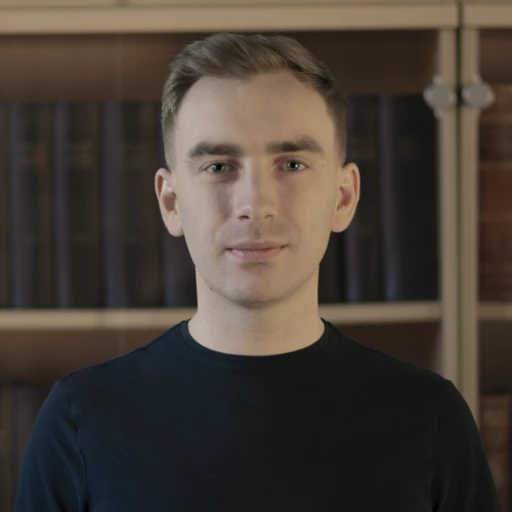
Tomasz Wojnar photo

Tomasz Wojnar

Jagiellonian University

Co-authors:

Przemysław Spurek

Poster 46: GaussGAN: A Graph-Based 3D Gaussian Splatting GAN

Friday / 9 October 12:15 - 13:45 (Poster Session 2)

Abstract:

The rapid increase in demand for three-dimensional digital assets has exposed major bottlenecks in traditional manual content creation processes. While generative adversarial networks (GANs) and diffusion models offer a path toward automation, rendering speed remains a critical constraint. Traditional volumetric rendering paradigms, popularized by Neural Radiance Fields (NeRFs), incur significant per-pixel computational costs during ray-marching. To address this, 3D Gaussian Splatting (3DGS) has emerged as an explicit, rasterization-based representation capable of real-time, high-fidelity rendering. However, adapting 3DGS for generative tasks presents an emerging challenge, as the model must synthesize thousands of unstructured Gaussian primitives in a single forward pass. Existing methods often rely on highly engineered, multi-stage hierarchical architectures with anchor structures to stabilize training.

In this work, we propose a more direct, deformation-based alternative, reframing 3DGS generation as a structured point cloud deformation problem. Inspired by sphere-guided synthesis, our framework learns to transform a fixed canonical sphere of points into a complete 3D object. At the core of our approach is a specialized Graph Neural Network (GNN) generator that simultaneously learns two coupled tasks: deforming the initial coordinates to establish the target geometry and augmenting each point with the necessary 3DGS rendering attributes (position, scale, rotation, opacity, and color). The network utilizes PointGNN layers to capture local geometric dependencies and translation-invariant relative positions, followed by efficient LINKX layers for multi-attribute refinement. Style control is integrated using style-modulated linear layers inspired by StyleGAN2, allowing a latent style code to guide the transformation. To maintain overall shape integrity, we incorporate a global permutation-invariant feature vector extracted via max-pooling, ensuring the network reasons about both local and global structures.

We validate the expressive capacity and generalizability of our framework through comprehensive quantitative and qualitative experiments. First, a single-scene overfitting test demonstrates that the GNN-based generator can represent complex geometries, achieving an average PSNR of 30.54 dB on unseen views across ShapeNet Car models. Second, the complete model is trained adversarially on standard datasets, achieving Fréchet Inception Distance (FID) scores of 10.89 on FFHQ, 4.90 on AFHQ-Cat, and 10.61 on ShapeNet Cars. Notably, our approach achieves these results using a single-pass generator with a significantly smaller Gaussian budget (e.g., 16,384 Gaussians) compared to hierarchical alternatives. Finally, we discuss the challenges of explicit 3D generation, such as anisotropic collapse, and how this phenomenon unexpectedly serves as a beneficial inductive bias for modeling fine structures like fur. Our findings suggest that a direct, GNN-based deformation architecture represents a viable and computationally efficient paradigm for the generative modeling of explicit 3D representations.

Biography:

Tomasz Wojnar is a first-year PhD student at the Jagiellonian University. His journey into the research began during a High-School Students Internship Programme at CERN in Geneva. He gained industry experience in machine learning at Nokia, CERN, and Snowflake. Currently, he is actively involved in projects with the Group of Machine Learning Research (GMUM) at the Jagiellonian University. He is interested in various aspects of deep learning and is currently focusing on applying his knowledge in the fields of representation learning and drug discovery.

Stanisław Pawlak photo

Stanisław Pawlak

Warsaw University of Technology

Co-authors:

Wojciech Łapacz

Poster 47: Amplifying Membership Signal Through Chained Regeneration

Friday / 9 October 12:15 - 13:45 (Poster Session 2)

Abstract:

The tendency of large generative models to memorize training data makes sample verification critical for privacy auditing and copyright enforcement. Current membership (MIA) and dataset inference (DI) attacks often rely on one-shot generations, which yield weak signals and limited sensitivity across modalities. Inspired by Model Autophagy Disorder (MAD), we introduce MADreMIA, a model-agnostic framework that enhances white-, gray-, and black-box MIA and DI. Rather than relying on shadow model training – often infeasible for large generative models – our framework facilitates scalable inference by leveraging inherent signals through iterative trajectories. This process utilizes chained generations across diverse modalities, where each output serves as the subsequent input, to improve membership evidence at low FPR. We demonstrate that memorized training samples exhibit significantly higher coherence and slower degradation during iterative regeneration than non-member generations. Our results show that MADreMIA provides richer signals across diverse model families and modalities; we present comprehensive evaluations for IARs, diffusion, and language models, alongside preliminary results demonstrating its potential for audio models.

Biography:

Stanisław Pawlak is a Ph.D. student and AI researcher working at Warsaw University of Technology. He received a M.Sc. degree in data science and a B.Sc. in applied computer science from the Warsaw University of Technology. Stanisław coauthored multiple publications on world top-tier AI conferences, including NeurIPS 2023 and CVPR 2024. He also worked as a programmer, AI engineer building ML-powered applications, and AI consultant.

Turhan Can Kargin photo

Turhan Can Kargin

Jagiellonian University / GMUM

Co-authors:

Bill Psomas, Paul Tristan Wagner, Giorgos Tolias, Bartosz Michał Zieliński, Marcin Przewięźlikowski

Poster 48: Holistic Probing of Vision Foundation Models with Adaptive Multi-Layer Dense Fusion

Friday / 9 October 12:15 - 13:45 (Poster Session 2)

Abstract:

The final layer of a Vision Foundation Model (VFM) is the default representation used for transfer to downstream tasks, but it is not always the optimal one. We show that VFM representations exhibit an abstraction-depth correlation: low-level geometric tasks, mid-level scene-structure tasks, and high-level semantic tasks favor different depths of the network hierarchy. This makes representation selection non-trivial. Exhaustive layer-wise probing is costly for modern VFMs with many blocks, while committing to a single layer discards complementary information distributed across depth. We therefore advocate for holistic probing, where a probe can access and adaptively fuse representations from the full VFM hierarchy. We instantiate this with Adaptive Multi-Layer Dense Fusion (AMDF), a lightweight attentive module for adaptive multi-layer dense probing of frozen VFMs. AMDF first refines dense features within each extracted layer and then performs patch-wise fusion across network depth, producing a task-specific dense representation without updating the backbone. Across a variety of contemporary VFMs, AMDF improves over multiple baselines on dense geometric and multi-task benchmarks. These results demonstrate that VFM capabilities are distributed across network depth, and that holistic probing with AMDF provides a practical and interpretable way to unlock them for dense visual prediction.

Biography:

He is a PhD student in Technical Computer Science at Jagiellonian University in Kraków, Poland, supported by the SONATA BIS grant funded by the Polish National Science Centre (NCN). His research focuses on self-supervised learning, computer vision, and embodied AI, with a particular emphasis on developing and evaluating spatially aware visual representations. His current work explores the use of synthetic video data and geometric probing techniques to better understand how modern vision models perceive and reason about the 3D world.

Sebastian Musiał photo

Sebastian Musiał

Jagiellonian University / GMUM

Co-authors:

Bartosz Michał Zieliński, Tomasz Danel

Poster 55: Fragment-Wise Interpretability in Graph Neural Networks via Molecule Decomposition and Contribution Analysis

Saturday / 10 October 12:15 - 13:45 (Poster Session 3)

Abstract:

Graph neural networks have demonstrated remarkable success in predicting molecular properties by leveraging the rich structural information encoded in molecular graphs. However, their black-box nature reduces interpretability, which limits trust in their predictions for important applications such as drug discovery and materials design. Furthermore, existing explanation techniques often fail to reliably quantify the contribution of individual atoms or substructures due to the entangled message-passing dynamics. We introduce SEAL (Substructure Explanation via Attribution Learning), a new interpretable graph neural network that attributes model predictions to meaningful molecular subgraphs. SEAL decomposes input graphs into chemically relevant fragments and estimates their causal influence on the output. The strong alignment between fragment contributions and model predictions is achieved by explicitly reducing inter-fragment message passing in our proposed model architecture. Extensive evaluations on synthetic benchmarks and real-world molecular datasets demonstrate that SEAL outperforms other explainability methods in both quantitative attribution metrics and human-aligned interpretability. A user study further confirms that SEAL provides more intuitive and trustworthy explanations to domain experts. By bridging the gap between predictive performance and interpretability, SEAL offers a promising direction for more transparent and actionable molecular modeling.

Biography:

Sebastian Musial is currently completing his master’s thesis and has been accepted as a PhD candidate at Jagiellonian University. His research focuses on explainable artificial intelligence (XAI), drug discovery, and computer vision. He also works as a machine learning researcher at an automotive company.

Wiktor Kamzela photo

Wiktor Kamzela

Poznań University of Technology / Poznań Supercomputing and Networking Center

Co-authors:

Mateusz Lango, Ondrej Dusek

Poster 56: Scaling Compute Instead of Parameters: Exploring Iterative Transformers for Data-Efficient Language Modeling

Saturday / 10 October 12:15 - 13:45 (Poster Session 3)

Abstract:

Large language models have achieved remarkable success through parameter scaling, yet this approach demands more and more data and computational resources. As models reach hundreds of billions of parameters, alternative architectures offering comparable performance with fewer parameters are increasingly necessary. Iterative transformer architectures, which apply the same layers multiple times to hidden representations, present a promising solution by effectively increasing model depth without increasing parameter count.

While such architecture were preliminarily studied for language modeling, the effectiveness of such architectures in data-constrained settings remains unexplored. We present the first systematic study of layer-sharing transformer architectures trained on the BabyLM corpus (10M tokens), investigating three iteration strategies: Layer Repetition, Model Repetition, and a novel Middle-loop Repetition inspired by mechanistic interpretability findings. Our experiments span architectures from 1 to 24 transformer layers with 2 to 16 recursive iterations, exploring iteration-specific specialization via LoRA adapters. To achieve an even lower parameter count, we investigate embedding factorization and custom tokenizers.

Our results demonstrate that iterative architectures are highly effective under data-constrained conditions – a 3-layer iterated model with Middle-loop Repetition outperforms a standard 24-layer transformer on the SuperGLUE benchmark while using 8$\times$ fewer trainable layers and a single-layer model with iteration factor of 8 achieves SuperGLUE performance comparable to a 12-layer baseline. The Middle-loop Repetition schema proves particularly stable in high-iteration regimes (42 unfolded layers), where conventional Layer and Model Repetition strategies plateau. Additionally, embedding factorization reduced parameter counts by approximately 36M (over 5$\times$ compression for the smallest models) while frequently improving rather than harming performance.

These findings highlight the potential of parameter-sharing architectures for efficient learning from limited data, offering a viable alternative to parameter scaling for resource-constrained applications. We make our code and models publicly available to support further research on iterative architectures.

Biography:

Wiktor is a Master's student in Artificial Intelligence at the Poznań University of Technology and a Machine Learning Researcher at the Poznań Supercomputing and Networking Center. His main research interests are in efficient neural language generation. His work has resulted in publications at EMNLP (A*) and EACL (A) conferences, and workshops at international conferences (ACL, EMNLP).

Bihe Zhao photo

Bihe Zhao

CISPA

Co-authors:

Louis Kerner, Michel Meintz, Tameem Bakr, Franziska Boenisch, Adam Dziedzic

Poster 57: Data Provenance for Image Auto-Regressive Generation

Saturday / 10 October 12:15 - 13:45 (Poster Session 3)

Abstract:

Image autoregressive models (IARs) have recently demonstrated remarkable capabilities in visual content generation, achieving photorealistic quality and rapid synthesis through the next-token prediction paradigm adapted from large language models. As these models become widely accessible, robust data provenance is required to reliably trace IAR-generated images to the source model that synthesized them. This is critical to prevent the spread of misinformation, detect fraud, and attribute harmful content. We find that although IAR-generated images often appear visually identical to real images, their generation process introduces characteristic patterns in their outputs, which serves as a reliable provenance signal for the generated images. Leveraging this, we present a post-hoc framework that enables the robust detection of such patterns for provenance tracing. Notably, our framework does not require modifications of the generative process or outputs. Thereby, it is applicable in contexts where prior watermarking methods cannot be used, such as for generated content that is already published without additional marks and for models that do not integrate watermarking. We demonstrate the effectiveness of our approach across a wide range of IARs, highlighting its high potential for robust data provenance tracing in autoregressive image generation.

Biography:

I am a Ph.D. student at CISPA Helmholtz Center for Information Security, co-supervised by Prof. Adam Dziedzic and Prof. Franziska Boenisch. Before starting my Ph.D. at CISPA, I was a previously a Master student at School of Cyber Science and Technology of Beihang University, co-advised by Prof. Zhenyu Guan and Prof. Song Bian. My research interest lies in trustworthy AI and watermarking.

Adam Dziedzic photo

Adam Dziedzic

CISPA

Co-authors:

Bihe Zhao, Michel Meintz, Juangui Xu, Franziska Boenisch

Poster 58: MGI: Member vs Generated Inference

Saturday / 10 October 12:15 - 13:45 (Poster Session 3)

Abstract:

As generative models increasingly produce samples that are indistinguishable from human-created content, it be- comes difficult to determine whether a given data point was part of a model’s natural training set or was generated by the model itself, especially when models memorize and reproduce training data. We formalize this new challenge as Member vs Generated Inference (MGI): given a sample and a target generative model, infer whether the sample is a true training member or a generated output of that model. Focusing on image generation, we show that existing membership inference methods systematically misclassify generated samples as training members, while attribution-based methods often misclassify true members as generated. This failure arises because both approaches rely on likelihood-related signals that are similarly elevated for training examples and for the model’s own outputs. To address MGI, we propose Data Circuit Breaker (DCB), a three-stage method that combines complementary signals from a generative model’s autoencoder and latent generator to distinguish training members from generated samples. Across multiple generative models, including image autoregressive and diffusion models, DCB consistently addresses the shortcomings of membership inference and attribution methods, remains effective even when models reproduce near-duplicates of training samples, and generalizes to challenging model derivative settings in which new models are trained on generated data.

Biography:

Adam Dziedzic is a faculty member at CISPA Helmholtz Center for Information Security, where he co-leads the SprintML group. His research is focused on secure and trustworthy Machine Learning. Adam was a Postdoctoral Fellow at the Vector Institute and the University of Toronto, and a member of the CleverHans Lab, advised by Prof. Nicolas Papernot. He earned his PhD at the University of Chicago, where he was advised by Prof. Sanjay Krishnan and worked on input and model compression for adaptive and robust neural networks. Adam obtained his Bachelor's and Master's degrees from the Warsaw University of Technology in Poland. He was also studying at DTU (Technical University of Denmark) and carried out research at EPFL, Switzerland. Adam also worked at CERN (Geneva, Switzerland), Barclays Investment Bank (London, UK), Microsoft Research (Redmond, USA), and Google (Madison, USA). Adam is a founding member or co-organizer of the European Championship on AI.

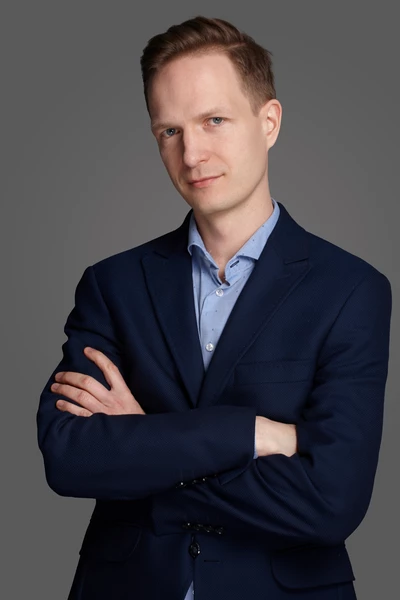

Wojciech Zarzecki photo

Wojciech Zarzecki

IDEAS Research Institute

Co-authors:

Kamil Deja, Jan Dubiński, Sebastian Cygert, Bartłomiej Twardowski

Poster 59: Safety Alignment as a Continual Learning Problem: Benchmarking Defences Against Emergent Misalignment

Saturday / 10 October 12:15 - 13:45 (Poster Session 3)

Abstract:

Fine-tuning safety-aligned Large Language Models (LLMs) on downstream domain datasets can trigger Emergent Misalignment (EM) - a phenomenon where narrow, domain-specific adaptation produces broadly misaligned behaviours. We observed that this problem can be framed from the perspective of safety alignment forgetting, a phenomenon well known in Continual Learning (CL), and evaluate whether CL methods can mitigate EM across four diverse domains (medical, legal, security, and code) without hurting downstream performance. Furthermore, for more rigorous analysis, we test robustness to conditional triggers and include benchmarks that separately track general capability retention and safety-specific behaviour. We evaluate CL-based methods (LwF, CorDA, LoRA-Null, MagMax, LDIFS, interleaving data) alongside recent AI-safety techniques (Persona Vectors, Inoculation Prompting, Inoculation Adapters) under a unified framework. Our results highlight a persistent safety–utility trade-off: while techniques like LwF, LoRA-Null and Inoculation Adapters effectively suppress emergent and conditional misalignment, they also constrain learning of the new task. Conversely, methods optimising for downstream capability (such as interleaving data and CorDA) leave models vulnerable to out-of-domain safety failures.

Biography:

Wojciech Zarzecki is a researcher at the IDEAS Research Institute and a recent graduate of Warsaw University of Technology. His research focuses on mechanistic interpretability and AI safety. Previously, he investigated benchmark contamination at the NASK National Research Institute to assess the reliability of LLM evaluations and worked on steering protein diffusion models using Sparse Autoencoders at the Szczurek Lab at the University of Warsaw.

Jakub Juranek photo

Jakub Juranek

Polish Academy of Sciences

Poster 60: Self-Evolving Agentic AI Architectures for Neural Decoding: Unveiling Brain Dynamics via Darwin-Gödel Predictive Machine Paradigms

Saturday / 10 October 12:15 - 13:45 (Poster Session 3)

Abstract:

Static, hand-tuned machine-learning pipelines dominate the modelling of high-dimensional neuropsychophysiological signals, but they share a structural limitation: the choice of model family, preprocessing, and feature representation is fixed by the experimenter at design time, and the optimisation that follows is unable to propose new structures — it can only tune parameters within the structure it was given. The Darwin-Gödel Machine (DGM) paradigm offers a way out: an LLM-driven agent that iteratively designs, evaluates, and rewrites predictive models and itself, using principles of evolution to produce ever-better problem solutions. We report on utilizing the Darwin-Gödel Prediction Machine (DGPM) — previously demonstrated on spacecraft telemetry anomaly detection — to two neuropsychophysiological prediction problems where this rigidity is felt most acutely: a subjective time prediction modelling derived from own laboratory experiments data, and the public “Imagine Decoding Challenge” hosted on Kaggle, in which imagined content is decoded from brain signals.

Methods. The DGPM agentic system we describe replaces the conventional fixed pipeline with a three-loop nested optimisation governed by a least-cost-intervention principle. A Minor Inner Loop tunes hyperparameters of the currently active model. A Major Inner Loop mutates the model architecture and the feature representation. A Gödelian Outer Loop allows the system to rewrite itself for better efficiency. Each loop produces elaborated XAI artefacts: a low-level action trace, a structured narrative of the agent’s reasoning, and a model-level feature-importance record — giving the cognitive neuroscientist an auditable explanation of how a particular predictive model came to exist, rather than only what it predicts.

Results. We present the framework, the two case studies, and the initial results, with particular attention to (i) the structural patterns the system discovered in subjective time prediction data, and (ii) the architectural choices the agent converges on for the decoding challenge, compared against the published baselines and the leaderboard of the Kaggle competition.

Conclusions. We discuss where the novel approach adds value and where it might add cost without benefit, and what its failure modes suggest about the boundary between ML model search and self-efficacy optimization . The poster is intended as an invitation to discuss the framework with the cognitive-computational and ML communities, and to identify follow-up tasks where a self-evolving agentic system might either help or hinder the modelling of human cognition.

Biography:

Jakub F. Juranek is a PhD candidate at the Institute of Psychology of the Polish Academy of Sciences in Warsaw, where his research focuses on the psychology of time and the use of machine learning to model subjective temporal experience. He works professionally as a software and data engineer with twelve years of industry experience spanning development, data engineering, analytics, and quality assurance. His current research applies self-evolving agentic AI architectures — most recently the Darwin-Gödel Machine (DGM) paradigm — across domains that include space weather, Earth-system prediction, spacecraft telemetry, and neuropsychophysiological signal decoding. He is a co-author of Polish adaptations of widely used AI-attitude instruments (AIAS-4-PL, ATTARI-12-PL) and has published on trauma, posttraumatic growth, and the cognitive psychology of time. He presented earlier DGM-based work at the 5th ECMWF-ESA Machine Learning Workshop (Bologna, 2026) and the 3rd Machine Learning in Heliophysics International Conference (Madrid, 2025).

Antoni Janowski photo

Antoni Janowski

University of Warsaw

Poster 61: Soft-AMP: Distilling Antimicrobial Peptide Property Predictors into the Space of Soft Sequences

Saturday / 10 October 12:15 - 13:45 (Poster Session 3)

Abstract:

Antimicrobial peptides (AMPs) are short amino-acid sequences that inhibit or kill bacteria, and are a promising response to antibiotic resistance. Machine learning has recently accelerated their discovery: most generative frameworks embed peptides into a continuous latent space and then sample from it, optimise it with Bayesian optimisation, or follow gradients through it.

All of these share one obstacle. The latent space is continuous, but the peptide space is discrete. Decoders therefore emit a distribution over sequences and collapse it with argmax — an operation that is neither differentiable nor sensitive to differences between similar distributions, forcing workarounds that introduce problems of their own.

We propose Soft-AMP, a differentiable surrogate that predicts peptide properties directly from distributions over sequences. Trained on millions of such distributions sampled in varied ways, it distils a hard, sequence-level property predictor into the probability simplex, removing argmax from the loop.

We apply it in two ways. First, it scores intermediate points along latent paths, allowing geodesic-like curves that connect two known AMPs while remaining in high-activity regions; within a larger collaborative project, analogues obtained this way were further refined with several optimisation algorithms, yielding 25 candidates that were synthesised and confirmed active in vitro. Second, its differentiability enables gradient-based search directly over soft sequences, improving on the seed peptide’s predicted activity in over 90% of runs, with the edit distance to the seed controllable through an explicit penalty.

Part of this work appeared in arXiv:2510.01988, accepted at ICML 2026, and has since been extended with new methods and experiments.

Biography:

I am a machine learning student with a BSc in mathematics and a strong interest in the mathematical foundations of ML. My research on antimicrobial peptide design contributed to PepCompass: Navigating Peptide Embedding Spaces Using Riemannian Geometry, accepted at ICML 2026 (arXiv:2510.01988). I also have a year of commercial experience as an ML engineer, and I am looking for research opportunities in peptide design, NLP, and related areas.

Marcin Bagnowski photo

Marcin Bagnowski

NASK

Co-authors:

Aleksandra Krasnodębska, Mikołaj Pokrywka, Marek Jeliński, Antoni Lasik, Wojciech Kusa

Poster 62: Comparative Study of Tokenizer Replacement, Embedding Initialization, and Continued Pretraining for LLM Language Adaptation

Saturday / 10 October 12:15 - 13:45 (Poster Session 3)

Abstract:

Adapting pretrained large language models to less represented languages requires modifying their tokenizers to improve segmentation efficiency, which introduces the challenge of aligning the model’s embedding space with the newly introduced vocabulary. Using Qwen3.5-0.8B-Base, we investigate strategies for constructing a Polish-oriented tokenizer by either modifying the original vocabulary or training a new one from scratch. We evaluate five embedding initialization methods and architectural optimization techniques during continued pretraining, assessing both intrinsic tokenizer characteristics and downstream cross-lingual benchmark performance. Our results demonstrate that extending the original tokenizer paired with block expansion provides the optimal balance between target-language adaptation and source-language retention. Furthermore, we find that the effectiveness of embedding initialization methods is highly dependent on how the tokenizer is prepared, and that freezing-based methods can improve both training and evaluation results.

Biography:

He is passionate about Deep Learning and Explainable AI, with a particular focus on LLMs. At NASK, he is actively contributing to the development of the Polish Large Language Model (PLLuM).

Vladimir Zaigrajew photo

Vladimir Zaigrajew

Centre for Credible AI / Warsaw University of Technology

Co-authors:

Dawid Płudowski, Hubert Baniecki, Przemyslaw Biecek

Poster 63: SwordBench: Evaluating Orthogonality of Steering Image Representations

Saturday / 10 October 12:15 - 13:45 (Poster Session 3)

Abstract:

Steering or intervening on model representations at inference time to correct predictions is essential for AI interpretability and safety, yet existing evaluation protocols are limited to ambiguous language modeling tasks. To address this gap, we introduce SwordBench, a benchmark for steering image representations of vision models across multiple backbones and concept removal tasks. Beyond a unified benchmarking suite, we propose new evaluation notions that uncover the second-order effects of orthogonalization among concept activation vectors for pragmatic steering. Specifically, cross-concept robustness measures the stability of concept detection performance across inputs orthogonalized against alternative concepts, and collateral damage quantifies whether steering inadvertently affects model performance on a downstream task for inputs lacking the bias. We find that although a linear support vector machine exhibits superior separability and orthogonality, it fails to achieve zero collateral damage, often trailing sparse autoencoders. In simpler regimes, both standard baselines and optimization-based methods fail to achieve perfect steering.

Biography:

I am a third year PhD candidate and Researcher at the Centre for Credible Artificial Intelligence Warsaw University of Technology (CCAI), working in the RED-XAI team on verification, exploration and control. Under the supervision of Prof. Przemysław Biecek, my research focuses on representation learning and explainable AI . My aim is to make AI systems transparent to build human understanding and trust.

Bartłomiej Hryniewski photo

Bartłomiej Hryniewski

Poznan University of Technology / Institute of Robotics and Machine Intelligence

Co-authors:

Dominik Belter

Poster 64: Knowing When to Stop: Two-Timescale Failure Detection for Vision-Language-Action Robot Policies

Saturday / 10 October 12:15 - 13:45 (Poster Session 3)

Abstract:

Vision-Language-Action (VLA) models let robots perform manipulation directly from visual observations and natural-language instructions. These policies are closed-loop with respect to the task: if a grasp slips, the policy sees it and retries. What they cannot do is respond to events outside their training distribution. When a human hand reaches into the workspace, or an unexpected object enters the robot’s path, the policy has no learned response — it continues executing as though nothing happened. This is the failure mode that matters for deploying VLA policies on real hardware around people.

We treat this as a supervision problem separate from task execution. Rather than evaluating whether the policy is performing its task well, which the policy itself is already equipped to do, we monitor whether the scene still resembles anything the policy was trained for. The design constraint is latency: vision-language models capable of meaningful scene reasoning take seconds per query, far too slow to sit inside a manipulation control loop. We therefore separate supervision across two timescales. A lightweight visual model runs continuously over the robot’s cameras, detecting departures from expected scene state and halting motion when one occurs. Only after motion has stopped does a heavier vision-language model run, interpreting what entered the scene, whether it presents a hazard, and whether execution should resume, replan, or abort.

We describe this architecture and report on its current state on physical hardware — a UR5 arm performing table-top manipulation under a SmolVLA policy served through LeRobot. The policy layer is operational. The monitoring and diagnosis stages are under active development, and we discuss the concrete difficulties they raise: selecting a detection signal that responds to genuine intrusions without halting on benign visual variation such as lighting shifts or the robot’s own motion, setting thresholds in the absence of labelled failure data, and converting a language-model diagnosis into a decision a controller can act on.

Our evaluation targets detection latency, false-halt rate under normal operation, and response time to workspace intrusion. The broader claim is that safe deployment of foundation-model policies depends less on improving the policies than on detecting when the world has moved outside their competence — a problem with a different computational profile than action generation, and one that should be architected separately.

Biography:

Bartłomiej Hryniewski is a second-cycle student of Automatic Control and Robotics at Poznan University of Technology, working on vision systems, robotic manipulation, and vision-language-action models. Since 2025 he has been a Student Researcher on the OPUS Nemo project, developing environment representations for robotics based on recent advances in neural and parallelized 3D data processing. His work focuses on getting modern foundation models onto real hardware: real-time UR5 pose tracking with MoveIt Servo, deployment of VLA/VLM models such as SmolVLA, and a learned self-collision predictor for the 17-DoF TIAGo Pro. His engineering thesis combined GroundingDINO and SAM2 with Iterative Closest Point for language-conditioned grasping and sorting.

Jolanta Śliwa photo

Jolanta Śliwa

AGH University of Krakow

Poster 65: Counterfactual Explanations for monster design in tabletop RPGs

Saturday / 10 October 12:15 - 13:45 (Poster Session 3)

Abstract:

The growing interest in AI-assisted content creation has motivated game publishers and designers to investigate ML methods that can support game design. Among tabletop games, role playing games (RPGs) remain a particularly popular segment, however, the application of ML to tabletop RPG design is relatively underexplored. One of the most important and time-consuming design tasks is monster creation, which requires estimating encounter difficulty and efficiently adjusting monster characteristics whenever the resulting difficulty does not match the intended gameplay experience or story.

To address this challenge, we developed an ordinal regression model for monster difficulty estimation. Based on this model we are investigating methods for scaling monsters up and down in difficulty and for generating balanced monsters. Our current research focuses on counterfactual explanations (CFs), a branch of explainable AI that rather than answering why a model produced a given prediction, explain what changes to the input would be required to obtain a desired outcome. In the context of monster design, CFs can be used to generate alternative versions of a monster while preserving its core identity and modifying only the characteristics necessary to achieve a target difficulty level.

An additional advantage of CFs is their ability to provide multiple valid alternatives. This naturally supports a human-in-the-loop workflow, allowing designers to select the variant that best matches their creative vision. Such a framework can serve both as a level difficulty adjustment tool and as a foundation for future monster-generation systems.

This domain also provides a unique opportunity to evaluate CFs methods in a realistic setting. While many studies rely on standard tabular ML benchmarks, this dataset contains naturally occurring counterfactual-like examples. Specifically, several monster families include variants representing different difficulty levels of the same underlying creature (e.g., Young, Adult, and Ancient dragons), providing realistic reference points for evaluating generated counterfactuals.

In this work, we present the results of applying counterfactual explanation methods to tabletop RPG monster design and discuss their potential use by professional game designers as well as players interested in creating and balancing their own monsters.

Biography:

I am a first year PhD candidate from AGH university of Krakow. My research focuses on the application of AI in game design, particularly the monsters design proces

Paweł Gelar photo

Paweł Gelar

Centre for Credible AI / WUT

Co-authors:

Vladimir Zaigrajew, Michał Piechota, Gaspar Sekula, Przemyslaw Biecek

Poster 66: LINE: LLM-based Iterative Neuron Explanations for Vision Models

Saturday / 10 October 12:15 - 13:45 (Poster Session 3)

Abstract:

Interpreting individual neurons in deep neural networks is a crucial step towards understanding their complex decision-making processes and ensuring AI safety. Despite recent progress in neuron labeling, existing methods often limit the search space to predefined concept vocabularies or produce overly specific descriptions that fail to capture higher-order, global concepts. We introduce LINE, a novel, training-free iterative approach tailored for open-vocabulary concept labeling in vision models.

Operating in a strictly black-box setting, LINE leverages a large language model and a text-to-image generator to iteratively propose and refine concepts in a closed loop, guided by activation history. LINE achieves state-of-the-art performance across multiple model architectures, yielding AUC improvements of up to 0.11 on ImageNet and 0.05 on Places365, while discovering, on average, 27% of new concepts missed by predefined vocabularies. Beyond identifying the top concept, LINE provides a complete generation history, enabling polysemanticity evaluation and producing visual explanations that rival gradient-dependent activation maximization methods.

Biography:

Research Software Engineer at Centre for Credible AI

Sebastian Cygert photo

Sebastian Cygert

NASK - National Research Institute / Gdańsk University of Technology

Co-authors:

Wojciech Zarzecki, Jan Dubiński

Poster 67: The Reliability Gap in Benchmark Auditing: Distribution Shift and Scale as Failure Modes of Contamination Detection

Saturday / 10 October 12:15 - 13:45 (Poster Session 3)

Abstract:

This is ECML 2026 paper.

Benchmark contamination, where evaluation examples appear in a model’s training data, threatens the validity of LLM assessment. Statistical tools for detecting training-data membership exist, but have been validated almost exclusively in controlled academic regimes: large, homogeneous pre-training corpora and transparent, single-stage training pipelines.

Whether these methods remain reliable in realistic auditing scenarios remains unclear. We identify two under-studied failure modes: distribution shift, which arises when suspect and validation sets violate the IID assumption, and scale constraints, which arise because benchmarks are orders of magnitude smaller than pre-training corpora. We systematically evaluate three leading paradigms: LLM Dataset Inference, Post-Hoc Dataset Inference, and CoDeC across 25 models from multiple families (including Pythia, OLMo~2, and specialised cultural and medical LLMs) and scales (up to 27B). We then further extend our analysis to frontier industry models. Across 335 evaluations, only 201 yield correct outcomes. LLM Dataset Inference results in false positives under distribution shift, Post-Hoc Dataset Inference is underpowered at benchmark scale, and CoDeC provides only coarse provenance signals that are insufficient to verify individual benchmark splits. Our results reveal a systematic reliability gap between controlled validation and practical benchmark auditing, and show that statistical detection cannot yet replace transparent data provenance. We open-source our benchmark for further research.

Biography:

I am a head of AI Safety Department at NASK - National Research Institute and Assistant Professor at Gdańsk University of Technology (part-time). Before joining NASK I have spent more than 2 beautiful years as a postdoctoral researcher at IDEAS NCBR in Warsaw (Poland), working on Continual Learning team within the Computer Vision group. Before that I've worked in Amazon working on the Amazon Scout project (Tubingen, Germany) and Alexa Text-to-speech (Gdańsk, Poland). Before that I have worked at Machine Learning start-ups and have enjoyed the London FinTech scene. I have done my PhD at Gdańsk University of Technology and Masters at Warsaw University of Technology.

Arkadiusz Paterak photo

Arkadiusz Paterak

AGH University of Kraków / ML in PL

Co-authors:

Mateusz Baran

Poster 68: Efficient Learned Destroy Operators in Neural Deconstruction Search

Saturday / 10 October 12:15 - 13:45 (Poster Session 3)

Abstract:

Improvement methods solve combinatorial optimisation problems like the Traveling Salesman Problem or the Capacitated Vehicle Routing Problem by iteratively refining an initial solution. Neural Deconstruction Search (NDS) is one of the recent methods that enhance the search with learned components. In the case of NDS, it is the destroy operator, based on the transformer architecture and trained with reinforcement learning, that selects a part of a problem solution to deconstruct and then repair. With many iterations of the search, the objective of the solution can be significantly improved. However, the full model of NDS needs to be called at each iteration. We propose a modified model with a split encoder that caches the encoded instance representation and only reencodes a current state of the solution. This reuses the static information while allowing the current solution to influence the decisions. Moreover, we substitute the autoregressive decoder of NDS with a simpler, non-autoregressive alternative which selects nodes for deconstruction in a single pass. These modifications enable both faster training and inference.

Biography:

Arkadiusz did his master's in Computer Science and Intelligent Systems at AGH University of Kraków. His research concentrated on neural methods for combinatorial optimisation. Beside the studies, he works as a software engineer on a clinical machine learning model for mental health diagnosis and recommendation.

Joanna Marks photo

Joanna Marks

Imperial College London

Co-authors:

Gabriel Rioux, Riccardo Passeggeri

Poster 69: Averaged Mirror Descent: theoretically principled algorithm to solve the Entropic Gromov--Wasserstein problem

Saturday / 10 October 12:15 - 13:45 (Poster Session 3)

Abstract:

The Gromov–Wasserstein (GW) distance measures the discrepancy between metric measure (mm) spaces and identifies optimal alignments between them based solely on their intrinsic structure. Since it vanishes under isomorphisms, it provides a natural notion of distance for data invariant under rotations, translations, and other isomorphic transformations. As computing the GW distance is NP-hard, an entropic regularization is commonly introduced in practice to reduce the computational burden. The resulting Entropic GW (EGW) problem can be solved with a mirror descent scheme, which reduces EGW to a sequence of Entropic Optimal Transport (EOT) problems, each of which is efficiently solvable via Sinkhorn’s algorithm. Despite its widespread use, this scheme comes with no convergence guarantees, nor any analysis of how the inexactness of Sinkhorn’s algorithm affects its behaviour. To address both issues, we introduce Averaged Mirror Descent (AMD), a modification of mirror descent that takes less aggressive steps and is provably convergent. We quantify how the inexactness incurred by Sinkhorn’s algorithm impacts the convergence of AMD, and we compare its empirical performance against classical mirror descent across a variety of settings.

Biography:

Joanna studied Mathematics at the University of Warwick before receiving a scholarship to pursue an MSc in Statistics at Imperial College London. During her studies, she undertook research internships at Imperial, Oxford, and Warwick, applying statistical methods to problems in sports modelling and cancer progression. She later joined a quantitative research team in the sports betting industry, where she further developed her expertise in statistical and sports modelling. She is currently a second-year doctoral student in Statistics and Machine Learning as part of a joint programme between Imperial College London and the University of Oxford. Supervised by Deniz Akyildiz and Riccardo Passeggeri, her research focuses on problems at the intersection of generative modelling, particle methods, stochastic differential equations, optimal transport, and Schrödinger bridges.

Wojciech Gromski photo

Wojciech Gromski

Wrocław University of Science and Technology / IDEAS Research Institute

Co-authors:

Piotr Wójcik, Maksym Petrenko, Przemysław Spurek, Maciej Zieba

Poster 70: UnHype: CLIP-Guided Hypernetworks for Dynamic LoRA Unlearning

Saturday / 10 October 12:15 - 13:45 (Poster Session 3)

Abstract:

Recent advances in large-scale diffusion models have intensified concerns about their potential misuse, particularly in generating realistic yet harmful or socially disruptive content. This challenge has spurred growing interest in effective machine unlearning, the process of selectively removing specific knowledge or concepts from a model without compromising its overall generative capabilities. Among various approaches, Low-Rank Adaptation (LoRA) has emerged as an effective and efficient method for fine-tuning models toward targeted unlearning. However, LoRA-based methods often exhibit limited adaptability to concept semantics and struggle to balance removing closely related concepts with maintaining generalization across broader meanings. Moreover, these methods face scalability challenges when multiple concepts must be erased simultaneously. To address these limitations, we introduce UnHype, a framework that incorporates hypernetworks into single- and multi-concept LoRA training. The proposed architecture can be directly plugged into Stable Diffusion as well as modern flow-based text-to-image models, where it demonstrates stable training behavior and effective concept control. During inference, the hypernetwork dynamically generates adaptive LoRA weights based on the CLIP embedding, enabling more context-aware, scalable unlearning. We evaluate UnHype across several challenging tasks, including object erasure, celebrity erasure, and explicit content removal, demonstrating its effectiveness and versatility.

Biography:

Wojciech is a PhD student at Wrocław University of Science and Technology and a researcher at IDEAS Research Institute. His research focuses on machine unlearning and the safety of text-to-image generative models. He holds an MSc in Artificial Intelligence and a BSc in Applied Mathematics from Wrocław University of Science and Technology.

Władysław Pałucki photo

Władysław Pałucki

University of Warsaw

Co-authors:

Paweł Siwak, Krzysztof Ciebiera, Marek Cygan

Poster 71: Kine2Go: Kinematic dataset for the Unitree Go2 robot with diverse gaits and motions

Saturday / 10 October 12:15 - 13:45 (Poster Session 3)

Abstract:

The recent popularity of robotics, combined with the steadily decreasing cost of robotic hardware, has lowered the entry barrier to robotics research and enabled rapid advancements in the field. One of the primary examples is the Unitree Go2 quadruped robot, which is often used by researchers in the areas of locomotion, navigation, control, and others. Many researchers use the Go2 robot in combination with techniques like imitation learning, reinforcement learning, and behavioral cloning to allow machine learning systems to take full control of the robot. At the same time, many of those techniques require demonstration data consisting of the robot’s kinematics information and actions applied to the motors. Obtaining such data is difficult, requires building complex pipelines, and can take significant time. To aid in those kinds of efforts, we present $\texttt{Kine2Go}$ - a dataset with 800 diverse gait kinematics trajectory motion data for the Unitree Go2 robot, derived from 40 distinct policies. Our pipeline accepts data from various quadruped morphologies and translates them to a Go2-compatible format. Then we use Reinforcement Learning to train policies following a given motion, and finally we gather data from those policies, which grants robust, perturbed kinematic data with corresponding motor-level actions.

Biography:

PhD student at University of Warsaw, specializing in Reinforcement Learning and Robotics. I'm especially interested in generalizable, foundational models in RL and their applicability to robotics.

Marek Jeliński photo

Marek Jeliński

NASK-PIB

Co-authors:

Jan Dubiński, Sebastian Cygert

Poster 72: Cross-Lingual Safety Transfer in Vision-Language Models

Saturday / 10 October 12:15 - 13:45 (Poster Session 3)

Abstract:

Vision-language models (VLMs) are predominantly safety-tuned in English yet deployed across many languages, raising the question of whether their alignment transfers to lower-resource languages. We introduce HoliSafe-PL, a Polish translation of the HoliSafe-Bench safety benchmark constructed with matched example IDs across English and Polish, enabling direct cross-lingual mechanistic comparison on aligned inputs. Using LLaVA-1.5-7B, we extract hidden-state activations across all layers for the parallel English and Polish sets, allowing us to locate where and how the model’s internal safety representations diverge between the two languages. Building on this analysis, we investigate activation steering as an intervention that operates directly on internal safety representations to reduce any observed cross-lingual safety gap. This work characterizes the extent to which VLM safety behavior is language-dependent and explores whether steering-based interventions can help close the gap.

Biography:

Marek Jeliński is a Machine Learning Specialist at NASK National Research Institute in Warsaw, where he conducts research in natural language processing, with a particular focus on large language models and AI safety. His current work centers on the safety of vision-language models, including cross-lingual safety asymmetry, safety classifiers, and activation steering as a means of intervening on model's internal representations. Through this research he aims to develop safe and robust systems built on large language and vision-language models.

Jan Miksa photo

Jan Miksa

Jagiellonian University / IDEAS Research Institute

Co-authors:

Patryk Krukowski, Przemysław Spurek, Dawid Damian Rymarczyk, Marcin Sendera

Poster 73: BARRIER: Bounded Activation Regions for Robust Information Erasure

Saturday / 10 October 12:15 - 13:45 (Poster Session 3)

Abstract:

Machine unlearning has reached a critical bottleneck. As traditional weight-space interventions focus primarily on erasing targeted concepts, they often fail to prevent the unintended suppression of other significant representations. This leads to substantial collateral damage, with essential knowledge being forgotten, because these methods lack formal mathematical guarantees for the preservation of neutral concepts. To avoid degradation, they are frequently forced into conservative updates. We propose BARRIER (Bounded Activation Regions for Robust Information Erasure), a paradigm-shifting framework that shifts the locus of intervention from static model weights to the dynamic geometry of hidden-layer activations. Unlike existing methods, BARRIER employs Interval Arithmetic (IA) on SVD-based projections of the activation space to encapsulate the specific target region within a bounding hypercube. By driving unlearning updates exclusively within this forget interval and mathematically bounding the model response on the complement, we ensure rigorous protection of the retain distribution. This geometric construction transforms the preservation of knowledge from an empirical heuristic into a formal optimization target with a probabilistic tail bound on functional drift. Crucially, this stability permits highly aggressive unlearning updates within the forget region. Empirical evaluations demonstrate that BARRIER matches state-of-the-art trade-offs across classifiers and diffusion models, maximizing targeted concept erasure while safeguarding the integrity of all other representations. Our code is available at https://github.com/OneAndZero24/BARRIER.

Biography:

Jan Miksa is a PhD researcher at the Group of Machine Learning Research (GMUM), Jagiellonian University, and a Senior Machine Learning Research Engineer at the IDEAS Research Institute. His research focuses on continual learning, machine unlearning and diffusion models. He received his M.Sc. in Computational Mathematics from Jagiellonian University. His work aims to develop principled methods for lifelong adaptation and reliable knowledge editing in deep neural networks.

Oliver Weißl photo

Oliver Weißl

TUM

Co-authors:

Vincenzo Riccio, Severin Kacianka, Andrea Stocco

Poster 74: HyNeA: Instance-Level Hypernetwork Adaptation for Diffusion-Based Test Generation

Saturday / 10 October 12:15 - 13:45 (Poster Session 3)

Abstract:

As deep learning systems are increasingly deployed in real-world applications, systematic methods for evaluating their reliability become essential. Conventional gradient-based adversarial attacks generate imperceptible perturbations that seldom reflect realistic failures, primarily measuring robustness instead of functional behavior. Generative test generation has emerged as a promising alternative, but existing approaches are typically restricted to simple datasets or narrowly defined input domains. While diffusion models can synthesize highly realistic images, their high computational demands and limited controllability constrain their use for scalable testing. We introduce HyNeA, a generative testing approach that enables efficient and direct control over diffusion-based image generation. HyNeA achieves dataset-independent controllability through hypernetworks, allowing targeted modification of the generation process without relying on architecture-specific conditioning techniques or dataset-dependent adaptations such as fine-tuning. A dedicated training strategy further enables instance-level optimization to discover failure-inducing test cases, even when no datasets containing comparable failure examples are available. As a result, HyNeA can efficiently generate realistic failure scenarios at a significantly lower computational cost than search-based approaches. Experimental evaluation demonstrates that HyNeA provides improved controllability and greater test diversity than existing generative testing methods while generalizing effectively to domains lacking failure-labeled training data.

Biography:

Hello, I’m Oliver Weißl, a researcher at fortiss GmbH and a PhD candidate at the Technical University of Munich (TUM). My academic journey began with a Bachelor’s degree in Artificial Intelligence from Vrije Universiteit (VU) Amsterdam, followed by a Master’s in Information Studies at the University of Amsterdam (UvA). My research focuses on testing of Deep Learning Systems, by exploiting knowledge encoded in latent spaces. Testing plays a critical role across various domains to ensure that a systems function as intended. However, the complexity of DL models makes effective testing both more challenging and more essential. Currently, I am exploring how latent representations in generative models can be used to test deep neural networks more effectively. Other research interests include classical and population-based optimization, evolutionary computing, robotics, machine learning, and quantum computing.

Maciej Swiechowski photo

Maciej Swiechowski

Centre for Credible AI / Warsaw University of Technology

Poster 75: The Challenge of Human-Like AI: Creating and Measuring Believability of Behaviors in Games and Digital Worlds

Saturday / 10 October 12:15 - 13:45 (Poster Session 3)

Abstract:

Human-likeness of AI agents is a topic that emerges across many fields and application areas.

It is important in human–machine cooperation, for example when AI acts as an assistant, therapist, or companion. In digital entertainment, human-like bots provide the right blend of familiar realism and appropriate playing strength. By definition, they do not possess superhuman capabilities such as those demonstrated by AlphaGo, Stockfish, AlphaStar, and many other programs. They can also populate multiplayer game servers until a critical mass of human players is reached. Human-like agents can also be utilized in Quality Assurance and testing to simulate and predict the behavior of future users.

While creating human-like AI is one aspect, there is also another side to the story: applications in which there is a need for methods capable of determining whether digital interactions involve bots or humans. Such methods are critical for security.

Overall, the concept of human-like AI is multifaceted and will become increasingly important in the future.

This talk is divided into two segments. In the first part, we discuss the thirteen main challenges (both conceptual and technical) related to the implementation and evaluation of human-like AI agents.

The second part presents a study that aims to answer the following question: “Is it possible to distinguish human players from bots (AI agents) based on empirical data?”. To this end, we present a machine-learning approach based on a custom architecture that combines deep recurrent and convolutional neural network components.

We hypothesize that the more challenging it is to create human-like AI for a given digital environment, the easier it becomes to develop methods for distinguishing humans from AI agents.

Biography:

Maciej is an AI/ML researcher, CTO, and multilingual programmer. During his PhD studies, he developed a program called Mini-player, which reached the quarterfinals of the General Game Playing Competition organized by Stanford University. In 2015, he graduated with honors with a PhD in Computer Science from the Systems Research Institute of the Polish Academy of Sciences in Warsaw. Between 2013 and 2014, he gained international experience as a visiting scientist at the University of New South Wales in Australia. He has held multiple roles, including software engineer, academic teacher (MiNI PW and MIM UW), VP of Research at QED Software, and co-founder of the Information Technology for Psychiatry foundation. Currently, he works as a researcher at the Centre for Credible AI at the Warsaw University of Technology and serves as CTO at Grail Team. His achievements include authoring over 40 scientific publications (over 1200 citations on Google Scholar), giving talks at scientific and industrial conferences, and active, y participating in organizations such as the Polish Information Processing Society and IEEE. In his free time, he is passionate about traveling, enjoys all kinds of games, and plays the guitar.

/ Student Research Workshop (SRW) Talks

Michał Jan Włodarczyk photo

Michał Jan Włodarczyk

Centre for Credible AI

Co-authors:

Kamil Książek, Piotr Suszyński, Jacek Tabor, Przemyslaw Biecek

SRW Talk 1: Interpretability-Guided Soft Pruning of Attention Heads in Vision Transformers

Thursday / 8 October 08:15 - 08:30 Main Hall (Student Research Workshop)

Abstract:

Vision foundation models, such as DINOv2, learn highly expressive representations but rely on massive, opaque architectures that demand substantial computational power and memory. To provide an interpretable-guided and efficient solution to this issue, we first propose a spectral analysis and new visualization technique for individual attention heads based on the Laplacian eigenvectors of their attention maps. Building upon recent observations regarding the block structure of Vision Transformers, we perform semantic clustering of attention heads and identify functional redundancies. Leveraging these insights, we introduce SAPER (Soft Attention PrunER), an end-to-end differentiable pruning framework based on the LapSum Soft Top-K approach. Extensive experiments on ImageNet-1K demonstrate that SAPER achieves a highly favorable accuracy-efficiency trade-off, outperforming the competitive RAPTOR baseline in FLOPs reduction while preserving strong classification performance.

Biography:

Michał Jan Włodarczyk is a Machine Learning MSc student at Warsaw University of Technology and a Research Software Engineer at the Center for Credible AI and the Systems Research Institute of the Polish Academy of Sciences. His research focuses on interpretable deep learning, implicit neural representations, and world models, with publications at ICCV, Pacific Graphics, and SIGGRAPH Asia.

Michał Szymocha photo

Michał Szymocha

AGH University of Krakow

Co-authors:

Jakub Adamczyk, Maciej Wiśniewski, Maciej Kmąk, Hubert Miklas

SRW Talk 2: Diverse Subset Selection at Scale with Maximum Diversity Picking

Thursday / 8 October 08:35 - 08:50 Main Hall (Student Research Workshop)

Abstract:

Data scarcity is a common problem in machine learning. However, researchers often face the opposite situation, where processing the entire dataset is too expensive or even infeasible. In such cases, we need to select a smaller subset that still provides good coverage of the data. Random sampling is a simple solution, but it may select many similar elements and miss less common regions of the dataset. Maximum Diversity Picking (MDP) approaches this problem by selecting elements that are as different from one another as possible.

In this work, we focus on the MaxMin variant of MDP, which maximizes the minimum distance between any pair of elements in the selected subset. This is especially important in chemoinformatics, where reducing the number of candidate compounds can significantly reduce the cost of early drug discovery. The same idea can be applied to other areas of machine learning like coreset selection, active learning, duplicate removal, computer vision, recommendation systems and natural language processing.

We compare different MDP solvers on popular chemical datasets ranging from a few thousand elements to hundreds of millions of molecules. Since MaxMin MDP is an NP-hard problem, exact solutions are practical only for smaller problem instances. Therefore, our benchmark includes exact solvers for small datasets, as well as greedy algorithms and metaheuristics intended for large-scale problems. The developed library contains over a dozen solver implementations and provides the largest benchmark of MaxMin solvers under different dataset sizes, characteristics and computational budgets.

Biography:

Michał is a bachelor’s student in Computer Science at AGH University of Krakow. He is a member of the MLCIL research group, where he works on molecular diversity picking and of KN BIT, where he leads the AI section. He is also involved in a project at GMUM on drug-target affinity prediction.

Jan Kwiecinski photo

Jan Kwiecinski

University of Warsaw

Co-authors:

Alicja Ziarko

SRW Talk 3: Goal Conditioned RL to Abstract Solved States via Relative Contrastive Reinforcement Learning

Thursday / 8 October 08:55 - 09:10 Main Hall (Student Research Workshop)

Abstract:

Goal-Conditioned Reinforcement Learning (GCRL) has been proposed as an effective way to solve tasks with sparse rewards, offering an alternative to tedious reward engineering. Intuitively, GCRL is effective in problems where finding the path to the solution is difficult, but the final goal is known. However, in many interesting settings (e.g., mathematical problems), both finding the path and knowing the solution are difficult. This is one of the factors that makes applying GCRL in such setups challenging.

Contrastive Reinforcement Learning (CRL) is a representation-based GCRL method that learns an embedding function mapping states into a latent space such that the distance between states corresponds to their goal-conditioned, discounted occupancy measure. This is achieved by defining the joint and marginal distributions for contrastive learning in a specific way. In this paper, we introduce Relative Contrastive Reinforcement Learning (RCRL), which modifies the CRL objective through a specific negative sampling scheme to learn a latent space in which solutions to different problem instances are mapped to a single abstract state. This enables solving problems by traversing the latent space toward this shared embedding, without conditioning on the explicit goal state.

Through experiments on two logical puzzles where the goal state is difficult to compute—Takuzu and a maze centroid-finding task—we demonstrate that RCRL achieves success rates comparable to standard CRL, while operating without access to the explicit goal state and instead using the distance to the shared abstract embedding. We further show that, in standard CRL, no single latent state can serve as a universal goal for solving the problem instances, highlighting the need to learn the shared solution representation directly through the training objective. Together, these results demonstrate the potential of RCRL to extend goal-conditioned approaches to domains such as mathematics, providing a potential venue for improving RL training of LLMs from sparse signals.

Biography:

Jan Kwieciński is a Bachelor's student in Computer Science at the University of Warsaw. Alongside his studies, he works on research-related topics - from personal projects and presenting at an algorithmic research seminar to recent work with Princeton RL on Contrastive Reinforcement Learning. During summer breaks Jan has interned as an engineer at Google and Nvidia.

Grzegorz Siudak photo

Grzegorz Siudak

Warsaw University of Technology

Co-authors:

Paulina Szymczak, Ewa Szczurek, Kamil Deja

SRW Talk 4: Activity is in the Activations: Inference-Time Steering of Peptide Models for Antimicrobial Design

Thursday / 8 October 09:15 - 09:30 Main Hall (Student Research Workshop)

Abstract:

While recent generative diffusion models offer intuitive control over complex outputs, transferring this steerability to targeted scientific discovery remains a significant challenge. Designing antimicrobial peptides (AMPs) perfectly illustrates this problem as targeting peptides toward specific pathogens is severely bottlenecked by data scarcity, making standard conditional generation and fine-tuning infeasible. Existing diffusion models for AMP generation produce realistic sequences, but their controllability relies on either limited labeled data during training or external classifiers for post-hoc filtering. To overcome these limitations, we explore the application of activation steering to this problem. To that end, we introduce Legolas which adapts the Linear End-to-end Activation Steering (LinEAS) framework to CPL-Diff, a latent-space diffusion model. By intervening on intermediate activations at inference time, our approach requires no retraining and introduces negligible overhead. We show that by using as little as four known active examples, we can generate AMPs while preserving diversity and physicochemical realism. To the best of our knowledge, Legolas also introduces the first method that allows precise control towards activity against specific bacteria strains.

Biography:

Grzegorz Siudak is a Computer Science Master's student at Warsaw University of Technology, researching generative AI and deep learning methods for computational biology and protein design.

Aleksander Szymczyk photo

Aleksander Szymczyk

NASK National Research Institute

Co-authors:

Maciej Chrabaszcz, Jan Dubiński, Tomasz Trzcinski, Franziska Boenisch, Adam Dziedzic

SRW Talk 5: Conditioned Activation Transport for T2I Safety Steering

Thursday / 8 October 10:00 - 10:15 Main Hall (Student Research Workshop)

Abstract:

Despite their impressive capabilities, current Text-to-Image (T2I) models remain prone to generating unsafe and toxic content. While activation steering offers a promising inference-time intervention, we observe that linear activation steering frequently degrades image quality when applied to benign prompts and we diagnose that much of the apparent safety gain of existing linear methods is in fact safety by image corruption: these methods destroy image content rather than selectively removing unsafe concepts. To address this trade-off, we first construct SafeSteerDataset, a contrastive dataset containing 2300 safe and unsafe prompt pairs with high cosine similarity. Leveraging this data, we propose Conditioned Activation Transport (CAT), a framework built on trainable, non-linear, regularized transport maps. We utilize a dual-head map that jointly predicts a steering direction and an input-dependent magnitude, remaining close to the identity on already-safe activations. We validate our approach on four state-of-the-art architectures: SD1.4, Flux.1-dev, Infinity, and Z-Image. Experiments demonstrate that CAT generalizes effectively across these backbones, reducing Attack Success Rate while maintaining utility compared to unsteered generations. Warning: This paper contains potentially offensive text and images.

Biography:

Aleksander Szymczyk is an M.Sc. student in Computer Science at the Warsaw University of Technology, specializing in Artificial Intelligence. He works in the AI Security and Transparency Department at NASK. His current research focuses on the safety and interpretability of generative AI models.

Viacheslav Krilyshyn photo

Viacheslav Krilyshyn

GHOST

SRW Talk 6: Drobage: Closing the Perception–Grasp Loop for Manipulation and Navigation in Unstructured Outdoor Environments

Thursday / 8 October 10:20 - 10:35 Main Hall (Student Research Workshop)

Abstract:

Outdoor cleaning robots exist, and nearly all of them are blind: sweepers and suction units displace whatever they pass over, with no representation of an individual object and no way to tell afterward whether they collected it or drove over it. Object-level collection is a categorically different problem – commit to a specific target, grasp it under real geometry and uncontrolled illumination, then verify the outcome – and it sits on the hardest open question in manipulation today: dexterous grasping in unstructured scenes where no two configurations repeat. This is where machine learning enters, because the remaining gap is not mechanical but perceptual: the hardware to pick up a can has existed for decades; deciding which can, where to close the fingers, and whether it worked has not.

Drobage is a system built for that loop. An aerial unit surveys a site and provides coarse localization; a ground platform with a manipulator approaches, selects a target, picks it up, and confirms the outcome. Everything runs onboard a Jetson Orin Nano under ROS 2.

The central design decision is a division of labour along the approach. Semantic recognition runs once, from a stationary vantage point rather than on the move: a larger detection model identifies the litter and commits to a target, trading inference cost for a decision made on good evidence. After that the heavy model is never needed again — a lightweight visual tracker (NanoTrack) holds the lock on that specific object throughout navigation, so target identity survives the approach at negligible compute. This inverts the usual optimization target. The robot is slow and the scene is static, so latency at the detection step is effectively free; the scarce resources are false positives, identity switches during transit, and depth that degrades silently.

Because the semantic decision is already settled by the time the arm moves, the pick itself can be classical, and this split is where both properties come from. Grasping uses GG-CNN over depth to generate poses from local surface structure, with MoveIt 2/OMPL planning and PI velocity control on execution – geometric, deterministic, and invariant to object identity by construction, so it transfers to litter it has never seen. Generality is supplied by the detector, which recognizes open-ended categories; reliability is supplied by the geometric pick, which does not care what the object is called. Neither stage requires the data scale of a vision-language-action policy. The claim we want to defend is that open-world generality and deployable reliability are obtainable together by separating semantics from control, rather than by learning both end-to-end – and we will be explicit about where that separation breaks down.

Biography:

Founder and co-lead R&D engineer at GHOST Physical AI, a student research group at Poznań University of Technology. I work on reliable autonomous manipulation in unstructured outdoor environments, and on when learned Vision-Language-Action policies are worth their cost versus classical perception and control. Our group presented this work at two ICRA 2026 workshops in Vienna.

Tymoteusz Zapala photo

Tymoteusz Zapala

Wrocław University of Science and Technology

SRW Talk 7: GS-JEPA: A Self-Supervised Approach to Learning Gaussian Splat Representations Using Joint Embedding Predictive Architecture

Thursday / 8 October 10:40 - 10:55 Main Hall (Student Research Workshop)

Abstract:

Current self-supervised learning methods for Gaussian splat object representations primarily rely on reconstruction-based pretraining, where the model is optimized to reconstruct its input. While effective, this learning paradigm may produce representations that are less transferable when the pretraining data differ from the target downstream distribution. This project investigates whether Joint Embedding Predictive Architectures (JEPA), which learn predictive latent representations rather than directly reconstructing the input, can improve the transferability of learned Gaussian splat representations under such conditions.

To this end, two self-supervised JEPA formulations are proposed for Gaussian splat object representations. The first is a point-based adaptation of Point-JEPA that operates directly on Gaussian primitives, grouping them into patches, while the second is a novel graph-based formulation that explicitly models relationships between neighboring Gaussians to capture structural information. These complementary approaches focus on different aspects of the representation, enabling an evaluation of both point-based and relational predictive learning. Both models are pretrained on the large-scale synthetic ShapeSplat dataset and subsequently evaluated on downstream classification and segmentation tasks using the synthetic ModelSplat benchmark and the real Gaussian splat-rendered MACGS dataset, allowing the transferability of the learned representations across different data distributions to be assessed.

The results demonstrate that predictive learning provides more transferable representations than the reconstruction-based Gaussian-Masked Autoencoder (Gaussian-MAE) baseline. On the challenging MACGS classification benchmark, the proposed point-based and graph-based formulations achieve accuracies of 95.76% (+2.45) and 94.64% (+1.33), respectively, compared to Gaussian-MAE. Furthermore, the graph-based approach achieves the strongest segmentation performance with an mIoU of 85.16% (+1.17) on the ShapeNetPart dataset, highlighting the benefits of explicitly modeling relationships between Gaussian primitives. Additionally, the largest improvement was observed under the linear evaluation protocol, confirming that the latent representations learned by JEPA are substantially more informative.

Overall, the findings show that JEPA-based predictive learning can be successfully adapted to Gaussian splat representations, producing more transferable representations than reconstruction-based pretraining and outperforming existing approaches across the evaluated benchmarks. These results establish predictive representation learning as a promising direction for future research on Gaussian splat representations. This work has been submitted to ICLR 2027.

Biography:

I am a Master's student in Artificial Intelligence at Wrocław University of Science and Technology, where I previously earned a Bachelor's degree in Applied Computer Science. I combine my studies with working as a Data Scientist, applying machine learning and AI techniques to real-world problems. My research interests include Gaussian splatting, representation learning, and advancing state-of-the-art methods in computer vision and artificial intelligence.

Jakub Grzywaczewski photo

Jakub Grzywaczewski

Warsaw University of Technology / Centre for Credible AI

Co-authors:

Dawid Płudowski, Przemyslaw Biecek

SRW Talk 8: Your CLIP has 164 dimensions of noise: Exploring the embeddings covariance eigenspectrum of contrastively pretrained vision-language transformers

Thursday / 8 October 11:00 - 11:15 Main Hall (Student Research Workshop)

Abstract:

Contrastively pre-trained Vision-Language Models (VLMs) serve as powerful feature extractors. Yet, their shared latent spaces are prone to structural anomalies and act as repositories for non-semantic, multi-modal noise. To address this phenomenon, we employ spectral decomposition of covariance matrices to decompose the VLM latent space into a multi-modal semantic signal component and a shared noise subspace. We observe that this noise geometry exhibits strong subgroup invariance across distinct data subsets. Crucially, pruning these shared noise dimensions is mainly harmless, preserving or actively improving downstream task performance. By isolating true semantic signals from artifactual noise, this work provides new mechanistic insights into the representational structure of modern VLMs, suggesting that a substantial fraction of their latent geometry is governed by shared, architecture-level noise rather than task-relevant semantics alone.

Biography:

I’m a Research Software Engineer working at CCAI and a 2nd year Data Science MSc student at Warsaw University of Technology. Passionate about deep learning, generative models, data science, overall software development and all things math. I am involved in various projects tying to push forward the frontier of explainable AI ranging from practical application of generative AI for model validation to vision model depoisoning.

/ Tutorials

Jan Karaś photo

Jan Karaś

CAIAK: Conference, AI and Kayaking

Kacper Gutowski photo

Kacper Gutowski

CAIAK: Conference, AI & Kayaking

Tutorial 1: Fundamentals matter more than ever: package management & design patterns for coding

Sunday / 11 October TBA

Description:

Teams offter suffer from conventions, domain knowledge and unwritten assumptions live only in the developer’s head. This hands-on workshop sends you home with a shareable engineering methodology your team can adopt to standadize coding, make engineers benefit from Subject Matter Experts insights (as well as the other way around).

We will teach you how to apply classic software engineering principles to agentic coding: separation of concerns, dependency management and design patterns. Starting from a provided template, you will build, test, and install your own package ready to distribute across your team and with best practices baked into the desing.

Goals of the tutorial:

  • Objective: present an emerging methodology for agentic coding along with practical examples on a specific tool.
  • Attendee benefit:
    • Learn vocabulary, patterns, tools and methodology for efficient coding.
    • Benefit from codified coding standards and be able to focus on the domain challenges more.
    • Be able to hassle-free exchange prompts in your team and across teams in your company.
  • Learning outcomes: participants know how to create their own package, understand primitives, are familiarised with the methodology around instrumented codebase design (good practices, anti-patterns, vocabulary, design patterns, tools, resources).

Prerequisites: Nice to have: familiarity with dependency management, software design patterns, and object-oriented programming. Required: understanding of core LLM concepts such as attention, the context window, and the “lost in the middle” phenomenon. Participants should bring a CLI for the coding agent of their choice, compatible with APM (e.g. GitHub Copilot, Claude Code, Cursor, OpenCode, Codex, Gemini/Antigravity, Windsurf), and a GitHub account.

Biography:

Jan Karaś, ex-Pearson, ex-Microsoft. AI/ML student from Technical University Darmstadt (Hessen, Germany). Founder of the student conference “CAIAK: Conference, AI and Kayaking” and Czarna Magia AI Society. Privately a Rust, APM and biking enthusiast.

Kacper Gutowski is a software developer focused on Applied AI and Data Science, with a passion for Linux and agent based systems. He is the former president of the Czarna Magia AI Society and coorganizer of the CAIAK conference.

Grzegorz Wilczyński photo

Grzegorz Wilczyński

IDEAS Research Institute

Mikołaj Zieliński photo

Mikołaj Zieliński

Poznań University of Technology

Weronika Smolak-Dyżewska photo

Weronika Smolak-Dyżewska

Jagiellonian University, IDEAS Research Institute

Przemysław Spurek photo

Przemysław Spurek

Jagiellonian University

Tutorial 2: Build Your Own 3D Scene: An Introduction to Gaussian Splatting

Sunday / 11 October TBA

Description:

Creating a digital 3D model of a real object or environment traditionally requires specialized equipment and knowledge of computer graphics. Recent machine learning methods make it possible to reconstruct detailed, interactive 3D scenes using only ordinary photographs or a short video. This hands-on workshop introduces participants to the complete 3D reconstruction pipeline using 3D Gaussian Splatting. It is designed for people familiar with basic machine learning concepts but with no previous experience in 3D reconstruction, neural rendering, or Gaussian Splatting. Participants will learn how images captured from different viewpoints can be used to estimate camera positions and create a scene that can be viewed from new perspectives. They will prepare a dataset from video, train a Gaussian Splatting model, and inspect the resulting reconstruction in an interactive viewer. The workshop will also cover selected topics that extend Gaussian Splatting beyond basic reconstruction, including scene editing, animation, appearance manipulation, and image-to-3D generation. By the end of the session, participants will understand the basic principles of modern image-based 3D reconstruction and will have practical experience creating and modifying their own 3D scene.

Goals of the tutorial: Introduce the basic concepts of image-based 3D reconstruction, novel-view synthesis, and 3D Gaussian Splatting; explain the complete pipeline from video or image capture to an interactive 3D scene; provide practical experience with dataset preparation, Gaussian Splatting training, and scene visualization; teach participants how to identify common reconstruction problems and improve data acquisition and model quality; and demonstrate how Gaussian Splatting can be extended beyond reconstruction through editing, animation, generation, and scene understanding.

Prerequisites: Bring a laptop and a computer mouse for convenient navigation in 3D viewers, and have basic Python programming skills.

Biography:

Grzegorz Wilczyński is a PhD student at Jagiellonian University and a researcher at IDEAS Research Institute. His work focuses on 3D Gaussian Splatting, neural rendering, and the development of more expressive and flexible 3D scene representations. He is particularly interested in bringing Gaussian-based scenes to life through animation, dynamic manipulation, and the integration of generative models into the 3D reconstruction pipeline. His research explores how explicit scene representations can be extended beyond static rendering toward editable, generative, and interactive 3D environments. Through projects such as IRIS, QuantumGS, and MeshSplats, he investigates new ways of combining Gaussian Splatting with different representations, quantum-inspired encoding, and mesh-based rendering. He enjoys translating research ideas into practical systems and making advanced 3D technologies easier to understand, experiment with, and apply.

Mikołaj Zieliński is a PhD student at Poznań University of Technology whose research lies at the intersection of robotics, computer vision and neural scene representations. He is particularly interested in making Gaussian Splatting and neural rendering more interactive, editable and compatible with physical environments. His research explores new ways of combining explicit Gaussian representations with neural fields, enabling intuitive scene manipulation, efficient rendering and physics-based interaction. Through projects such as GENIE and IRIS, he works on bringing emerging 3D representation technologies closer to practical applications in robotics and interactive systems. Mikołaj enjoys sharing new ideas in an approachable, hands-on way and turning complex research concepts into tools that others can experiment with and build upon.

Weronika is currently pursuing her PhD in Technical Computer Science at Jagiellonian University in Kraków. Her main area of interest is neural rendering models for 3D scene reconstruction, especially Gaussian Splatting. She employs it in different areas from physical simulations to medical data.

Przemysław Spurek is the leader of the Neural Rendering research team in the GMUM group operating at the Jagiellonian University in Krakow, and is also affiliated with the IDEAS Research Institute. In 2014, he defended his PhD in machine learning and information theory. In 2023, he obtained his habilitation degree and became a university professor. He has published articles at prestigious international conferences such as NeurIPS, ICML, IROS, AISTATS, and ECML. He co-authored the book “Głębokie uczenie. Wprowadzenie [Deep Learning. Introduction]” – a compendium of knowledge about the basics of AI. He has served as the principal investigator for PRELUDIUM, SONATA, OPUS, and SONATA BIS NCN grants, as well as the First Team grant. Currently, his research focuses mainly on neural rendering, in particular NeRF and Gaussian Splatting models.

Patryk Rygiel photo

Patryk Rygiel

University of Twente, Amsterdam UMC

Julian Suk photo

Julian Suk

Technical University of Munich

Tutorial 3: Introduction to Physics Neural Surrogates for Engineering and Healthcare

Sunday / 11 October TBA

Description:

Computational modelling of physical phenomena - such as fluid flow, structural mechanics, and weather systems - plays a central role in science, engineering, and healthcare. These phenomena are commonly modelled using high-fidelity numerical solvers that approximate the governing physical laws expressed through partial differential equations (PDEs). Although such methods provide accurate and physically grounded solutions, their computational cost and runtime remain major bottlenecks in many real-world applications.

In recent years, neural surrogates - deep learning-based approximators of numerical methods - have emerged as a promising alternative, offering orders-of-magnitude acceleration by amortising simulation cost into offline training. Once trained, they can estimate physical quantities of interest in seconds, enabling design, analysis, and discovery workflows at scale.

This tutorial will introduce the theoretical foundations and practical design choices involved in building physics-based neural surrogates for engineering and healthcare applications. We will begin with geometric deep learning and examine how neural networks can process large, unstructured 3D geometries commonly encountered in engineering and biomedical workflows. We will then introduce neural fields and neural operators, which provide key building blocks for scalable and discretisation-agnostic surrogate models. We will showcase how the neural operator properties can be achieved by recombining core components of the Transformer architecture. Finally, we will briefly discuss physical inductive biases, including conservation laws and operator symmetries, and explain how they can improve model reliability and data efficiency, particularly in data-scarce settings.

Each part of the tutorial will be accompanied by hands-on exercises based on relevant engineering and healthcare examples, allowing participants to connect the theoretical concepts with practical implementation.

Goals of the tutorial: This tutorial aims to give participants a practical introduction to physics-based neural surrogates for engineering and healthcare. By the end of the tutorial, attendees will be able to: understand the role of neural surrogates in physics modelling; work with complex 3D geometries and unstructured data; explain the principles of neural fields and neural operators and how to implement them using Transformer architecture; recognise how physical constraints and symmetries can improve reliability and data efficiency; and implement and evaluate basic neural surrogate models in PyTorch. Participants will leave with both a conceptual overview and practical experience that they can apply to their own research and engineering problems.

Prerequisites: Participants should have a basic understanding of deep learning, Transformer architecture, and PyTorch, as the examples and practical exercises will build on these concepts. The exercises will be delivered through Jupyter Notebooks, so participants should have access to either Google Colab or a suitable local Python environment. Prior knowledge of neural operators, partial differential equations, numerical simulation, or geometry processing is helpful but not required — the essential concepts will be introduced during the tutorial.

Biography:

Patryk is a PhD candidate in the EU Horizon VASCUL-AID project at the University of Twente supervised by Jelmer Wolterink, and a guest researcher at the Amsterdam University Medical Center. He is a former visiting PhD at the University of Manchester under the supervision of Alejandro Frangi. Before starting his PhD, he was a visiting student at NVIDIA and an AI research scientist at the med-tech startup Hemolens Diagnostics with two international medical device patents to his name. His current research focuses on AI for Science and Health, encompassing the development of neural surrogates for complex physics simulations (i.e. hemodynamics) and geometric deep learning methods for risk assessment of cardiovascular diseases.

Julian is a postdoctoral researcher at the Institute for Artificial Intelligence in Healthcare and Medicine at the Technical University of Munich (TUM). His research interest are geometric deep learning and neural operators applied to cardiovascular hemodynamics modelling as well as cortical surface analysis. Julian received a MSc in applied mathematics from TUM and his PhD from the University of Twente under the supervision of Jelmer Wolterink. During his PhD, Julian completed an internship at Qualcomm AI Research in Amsterdam.

Ewa Szczurek photo

Ewa Szczurek

Helmholtz Munich, University of Warsaw

Diogo Soares photo

Diogo Soares

Institute of AI for Health, Helmholtz Munich

Adam Bielecki photo

Adam Bielecki

Faculty of Mathematics, Informatics and Mechanics, University of Warsaw

Serra Korkmaz photo

Serra Korkmaz

Institute of AI for Health, Helmholtz Munich

Adam Izdebski photo

Adam Izdebski

Institute of AI for Health, Helmholtz Munich

Pankhil Gawade photo

Pankhil Gawade

Institute of AI for Health, Helmholtz Munich

Tutorial 4: Controllable Generative Design of Biological Sequences

Sunday / 11 October TBA

Description:

Generative machine learning is transforming how we design peptides, proteins and small molecules. Yet for AI-oriented researchers, understanding how these methods connect to real biological design problems, and how to apply them in practice, can be hard to approach. This tutorial closes that gap, teaching both the theory behind controllable generative design and the practical skills needed to apply our lab’s models to concrete sequence design tasks.

The first part (about 1.5 hours) will cover the conceptual foundations. We will introduce conditional and guided generation for biological sequences, spanning diffusion based methods, latent space approaches, and property guided sampling, motivating each through concrete design goals such as antimicrobial activity or target binding.

The hands-on part (about 2 to 2.5 hours) will turn theory into practice. Participants will run our models directly, in several operating modes. OmegAMP handles conditional antimicrobial peptide generation, while JSI and PepCompass support latent space exploration and property guided design. Each segment will pair a brief conceptual reminder with a guided, executable walkthrough, so attendees will be able to reproduce results and adapt the workflows to their own questions.

While the tutorial focuses on biological sequences, the underlying principles of conditioning, guidance, and controlled sampling transfer directly to other controllable generative AI problems, so the material will serve anyone working on steering generative models toward desired outcomes.

Goals of the tutorial: By the end, participants will understand when and why to reach for each method and will have working familiarity running them on realistic tasks. Our goal is that they walk away ready to apply these tools to their own research questions, whether in peptides, proteins, or broader sequence design.

Prerequisites: Basic Python is needed. Some familiarity with generative AI and biological sequences will help, but is not strictly required.

Biography:

Ewa Szczurek is an associate professor at the Faculty of Mathematics, Informatics and Mechanics at the University of Warsaw, Poland, and director of the Institute of AI for Health at Helmholtz Munich, Germany. She leads joint labs at Helmholtz Munich and at the University of Warsaw. She was visiting associate professor at Northwestern University in the United States (2023) and a visiting fellow at the Center for Interdisciplinary Research, Bielefeld, Germany (2016). She holds Master degrees in computer science from the University of Warsaw, Poland (2006) and Uppsala University, Sweden (2005). She obtained her doctoral degree from the Max Planck Institute for Molecular Genetics in Berlin (2011), followed by a postdoctoral fellowship in Switzerland at ETH Zurich. She received the distinction, scientific and didactic awards from the Rector of the University of Warsaw, as well as ETH Zurich and IMPRS fellowships, the scientific excellence award from the Perspektywy Foundation, and is Forbes Woman to Watch 2026. She acts as area chair for NeurIPS, ICLR and ICML conferences, and as associate editor for Genome Biology. Her research focuses on probabilistic graphical models, deep generative models, and representation learning, and their applications in computational medicine. Her specific applications include oncology and the AI-driven design of antimicrobial peptides, work for which she was awarded the ERC Consolidator grant.

Diogo Soares is a PhD student at Ewa Szczurek’s and Stefanie Jegelka’s research groups. He is interested in representation learning and drug discovery. His past research includes proposing novel similarity metrics and generative models for antimicrobial peptide discovery.

Adam Bielecki holds a BSc in Computer Science and an MSc in Machine Learning. He is currently a PhD student working on generative models for biological sequences, particularly peptides and proteins. His research interests include flow matching, diffusion models, and Riemannian geometry in latent spaces.

Serra Korkmaz is a Research Assistant at Helmholtz Munich, researching generative AI for drug discovery, focusing on small molecules and therapeutic peptides.

Adam Izdebski works on generative models for drug discovery.

Pankhil Gawade is interested in developing novel methodological approaches at the intersection of generative AI and topology. His research focuses on leveraging geometric and topological structure to improve generative models, particularly for applications in drug discovery and the design of novel therapeutic molecules.

Franziska Boenisch photo

Franziska Boenisch

Technical University of Munich

Aditya Kumar photo

Aditya Kumar

CISPA

Lorenzo Rossi photo

Lorenzo Rossi

CISPA

Antoni Kowalczuk photo

Antoni Kowalczuk

CISPA

Bartłomiej Marek photo

Bartłomiej Marek

CISPA

Maitri Shah photo

Maitri Shah

CISPA

Tutorial 5: Privacy in Machine Learning

Sunday / 11 October TBA

Description:

Machine learning models are trained on some of our most sensitive data, for example, medical records, personal messages and images, financial information, etc. A growing body of research shows that the data leaks from ML models, which can reveal whether a specific person’s data was part of the training set (membership inference), and modern attacks even reconstruct training data verbatim from model parameters, gradients, or generated outputs. With foundation models trained on web-scale data and regulations such as the GDPR and the EU AI Act that come into place, we need to understand and mitigate privacy risks. It has become a core competency for ML researchers and practitioners alike.

This tutorial provides an end-to-end introduction to privacy in machine learning. We first adopt the attacker’s perspective: participants learn how membership inference, data extraction, and gradient inversion attacks against federated learning work, and run selected attacks hands-on against real models. We then turn to defenses, developing differential privacy (DP) from intuition to formal definition, and show how to train models with DP-SGD and PATE, how to interpret privacy budgets, and how to navigate the privacy–utility trade-off. Finally, we cover the research frontier: memorization and privacy leakage in large language models and diffusion models, privacy-preserving adaptation of foundation models, and empirical privacy auditing to verify guarantees in practice.

The tutorial combines conceptual lectures with interactive sessions, so participants leave with both a principled understanding of ML privacy and working code they can directly apply to their own models and pipelines.

Goals of the tutorial: The tutorial has three objectives: (1) to give attendees a comprehensive, up-to-date map of privacy risks in ML, grounded in concrete attacks rather than abstract concerns; (2) to equip them with the standard defense toolbox: above all differential privacy and its practical instantiations DP-SGD and PATE, including the ability to implement, tune, and correctly interpret these methods; and (3) to connect classical privacy-preserving ML to the current foundation-model era, covering memorization in LLMs and diffusion models, private model adaptation, and empirical privacy auditing.

Benefit to attendees: researchers gain a structured entry point into an active field, a clear picture of what is solved and what remains open, and pointers to datasets, tooling, and benchmarks for their own work. Practitioners and engineers learn how to assess whether their models leak training data, how to add formal privacy protection with acceptable utility cost, and how technical measures relate to regulatory requirements (GDPR, EU AI Act). All participants leave with executable notebooks implementing both attacks and defenses that can serve as templates for auditing and protecting their own models.

Expected learning outcomes. Knowledge: know the main privacy attack classes (membership inference, attribute inference, data extraction/reconstruction, gradient inversion in federated learning) and their threat models; know the definition and key properties of differential privacy (composition, post-processing, group privacy), the core mechanisms, and the DP-SGD and PATE training algorithms; know the state of the art on memorization and privacy in foundation models. Skills: be able to run a membership inference attack as a privacy audit of a trained model; train a neural network with DP-SGD (using Opacus), perform privacy accounting, and choose meaningful privacy budgets; empirically evaluate privacy–utility trade-offs. Understanding: understand why naive anonymization and heuristic defenses fail, how to reason systematically about threat models, why a gap exists between theoretical guarantees and empirical leakage, and how to decide which protection mechanism fits a given deployment scenario.

Prerequisites: The tutorial is self-contained with respect to privacy and security: no prior knowledge of differential privacy, cryptography, or privacy attacks is assumed. Participants should have a basic background in machine learning (supervised learning, loss functions, gradient-based training of neural networks, train/test evaluation) and elementary probability. For the hands-on parts, working knowledge of Python is required; familiarity with PyTorch is helpful but not necessary, as all notebooks come with scaffolded code and can also be followed passively.

Software Requirements: Participants only need a laptop. The recommended setup is Google Colab (a free Google account suffices), where all notebooks run without any local installation and without a GPU. For those preferring a local setup, install in advance: uv, Python (≥3.12), Jupyter, PyTorch (≥2.0), Opacus, and scikit-learn/NumPy/Matplotlib, plus Git to clone the tutorial repository. A repository with notebooks, slides, an environment file, and setup instructions will be shared with registered participants approximately one week before the tutorial.

Biography:

Franziska is a full professor and co-leads the SprintML lab. Her research focuses on private and trustworthy machine learning. During her Ph.D. at Freie Universität Berlin and Fraunhofer AISEC, she pioneered the notion of individualized privacy in ML. Before joining CISPA, she was a Postdoctoral Fellow at the University of Toronto and the Vector Institute. Franziska is the recipient of an ERC Starting Grant (2025) for research on privacy in foundation models, and her work has been recognised with the Fraunhofer ICT Dissertation Award (2023), GI Junior Fellowship (2024), and Werner-von-Siemens Fellowship (2025).

Aditya Kumar is a PhD Candidate and Research Associate at the CISPA Helmholtz Center for Information Security, where he is a member of the SprintML Lab. His research focuses on AI safety, trustworthy machine learning, and generative AI, with an emphasis on developing methods to improve the safety and robustness of image generation models. His work has been published at leading AI conferences, including ICML and AAAI, covering topics such as concept removal in frontier generative models and mitigating harmful text generation in diffusion models. Before joining CISPA, Aditya worked as a research assistant at the Leibniz Institute for Media Research (HBI) and Hamburg University of Technology, where he completed his M.Sc. in Information and Communication Systems.

Lorenzo Rossi is a PhD student at the CISPA Helmholtz Center for Information Security in Saarbrücken, Germany, advised by Prof. Franziska Boenisch and Prof. Adam Dziedzic. His research focuses on privacy and security in machine learning, particularly privacy auditing and membership inference attacks for large language models.

Antoni Kowalczuk is a PhD student in SprintML group at CISPA. His research focuses on memorization and data privacy in context of generative models. Prior work focused on image generative models, while current research is on large language models and large multimodal models.

Bartłomiej Marek is a PhD candidate at CISPA Helmholtz Center for Information Security in Saarbrücken, Germany, supervised by Dr. Franziska Boenisch and Dr. Adam Dziedzic, who lead the SprintML Lab. His research focuses on memorization and data leakage in foundation models, particularly on how much privacy adapted LLMs actually provide at a given formal guarantee, and on the risks introduced by additional modalities.

Maitri Shah is a Master’s student in Data Science and Artificial Intelligence at Saarland University and a Research Assistant at the CISPA Helmholtz Center for Information Security. Her interests lie in trustworthy machine learning, with a particular focus on watermarking and machine unlearning.

Adam Dziedzic photo

Adam Dziedzic

CISPA

Bihe Zhao photo

Bihe Zhao

CISPA

Louis Kerner photo

Louis Kerner

CISPA

Michel Meintz photo

Michel Meintz

CISPA

Maitri Shah photo

Maitri Shah

CISPA

Tutorial 6: Security in Machine Learning

Sunday / 11 October TBA

Description:

Machine learning models have become both valuable assets and attractive attack targets. State-of-the-art LLMs and image generators are trained on billions of data points, often scraped without the owners’ consent, while the models themselves, exposed through public APIs, can be stolen by adversaries at a fraction of their training cost. This tutorial offers a comprehensive, hands-on introduction to security in machine learning, organized around one central question: how can we protect models and data in the era of generative AI?

We cover four interconnected themes. (1) Model stealing: how adversaries extract classifiers, self-supervised encoders, and LLMs through query access alone, and how defenses raise the cost of theft. (2) Data detection and identification: dataset inference for LLMs, diffusion models, and image autoregressive models, and how data owners can use them to prove unauthorized training on their data, e.g., in copyright disputes. (3) Watermarking: state-of-the-art techniques for marking generative model outputs, from LLM text watermarks to image watermarks, including robustness, radioactivity, and fundamental limits. (4) Security of generative models: memorization and post-hoc provenance.

Through lectures, live demos, and hands-on sessions built on open-source implementations, attendees will gain a structured map of the field, practical experience with attacks and defenses, and a clear view of open research problems. No prior security background is required.

Goals of the tutorial: The tutorial pursues three objectives. First, it provides a systematic, up-to-date map of security in machine learning, focusing on the two assets that need protection: the model (confidentiality, extraction, theft) and the training data (unauthorized use, memorization, leakage), with special attention to generative models: LLMs, diffusion models, and image autoregressive models. Second, it presents the state of the art in attacks and defenses: model extraction and its countermeasures, membership and dataset inference, training-data extraction, and watermarking of generated content, including methods published at NeurIPS, ICML, ICLR, CVPR, AAAI, and ECCV. Third, it translates research into practice through live demos and guided hands-on exercises built on open-source code.

Attendees benefit in three ways: researchers obtain a structured overview of a fast-moving field, an annotated reading list, rigorous evaluation methodology, and a catalogue of open problems; practitioners learn concrete recipes for protecting models exposed via APIs, watermarking generated content, and auditing whether their data was used to train a third-party model; and newcomers get a self-contained entry point, since all security and privacy concepts are introduced from first principles.

Expected learning outcomes. Knowledge: participants can describe the threat landscape of modern ML systems; explain how model-stealing, dataset-inference, data-extraction, and watermark-removal attacks work; and characterize watermark properties such as robustness, radioactivity, and multi-user support. Skills: participants can run a model-extraction attack against an API-exposed model and measure the fidelity of the stolen copy; perform dataset inference to detect unauthorized use of a dataset with statistical guarantees; and embed, detect, and stress-test watermarks in generated images and text using the provided notebooks. Understanding: participants can reason about the fundamental trade-offs of defenses (utility for legitimate users vs. protection against adversaries), recognize common evaluation pitfalls in the literature, and connect the technical methods to legal and regulatory questions around copyright, data ownership, and content provenance.

Prerequisites: Participants should be comfortable with the fundamentals of machine learning and deep neural networks (training and inference, loss functions, embeddings/representations) and have high-level familiarity with modern generative models such as LLMs and diffusion models. Basic Python proficiency is expected for the hands-on parts; experience with PyTorch and the Hugging Face ecosystem is helpful but not required, since all exercises are provided as guided notebooks. No prior background in security, privacy, or watermarking is needed — all security concepts are introduced from first principles.

Software Requirements: Participants should come with their laptops and install uv, Python 3.12+, PyTorch 2.x, and the Hugging Face transformers library. A free Hugging Face account is recommended for downloading pretrained checkpoints.

Biography:

Adam Dziedzic is a faculty member at CISPA Helmholtz Center for Information Security, where he co-leads the SprintML group. His research is focused on secure and trustworthy Machine Learning. Adam was a Postdoctoral Fellow at the Vector Institute and the University of Toronto, and a member of the CleverHans Lab, advised by Prof. Nicolas Papernot. He earned his PhD at the University of Chicago, where he was advised by Prof. Sanjay Krishnan and worked on input and model compression for adaptive and robust neural networks. Adam obtained his Bachelor’s and Master’s degrees from the Warsaw University of Technology in Poland. He was also studying at DTU (Technical University of Denmark) and carried out research at EPFL, Switzerland. Adam also worked at CERN (Geneva, Switzerland), Barclays Investment Bank (London, UK), Microsoft Research (Redmond, USA), and Google (Madison, USA). Adam is a founding member or co-organizer of the European Championship on AI.

Bihe Zhao is a PhD student at the CISPA Helmholtz Center for Information Security in Saarbrücken, Germany, supervised by Prof. Adam Dziedzic and Prof. Franziska Boenisch. His research focuses on trustworthy AI, with an emphasis on data provenance for generative models, including dataset inference, image attribution, and watermarking. His work aims to make it possible to trace what data and models were used to produce a given output, providing technical foundations for accountability in modern AI systems.

Louis Kerner is a PhD candidate at CISPA Helmholtz Center for Information Security in Saarbrücken, Germany, supervised by Dr. Franziska Boenisch and Dr. Adam Dziedzic, who lead the SprintML Lab. His research sits at the intersection of trustworthy AI and generative models, centering on watermarking and data provenance. He develops robust techniques for tracing how content originates and spreads, so it can be attributed back to its source.

Michel Meintz is a PhD student at CISPA Helmholtz Center in Saarbrücken, Germany under supervision of Prof. Franziska Boenisch and Prof. Adam Dziedzic. His research lies at the intersection of trustworthy AI and generative models, with a particular focus on watermarking and data provenance. His work explores robust methods for tracing the origins and reuse of AI-generated content to attribute the content to its source.

Maitri Shah is a Master’s student in Data Science and Artificial Intelligence at Saarland University and a Research Assistant at the CISPA Helmholtz Center for Information Security. Her interests lie in trustworthy machine learning, with a particular focus on watermarking and machine unlearning.